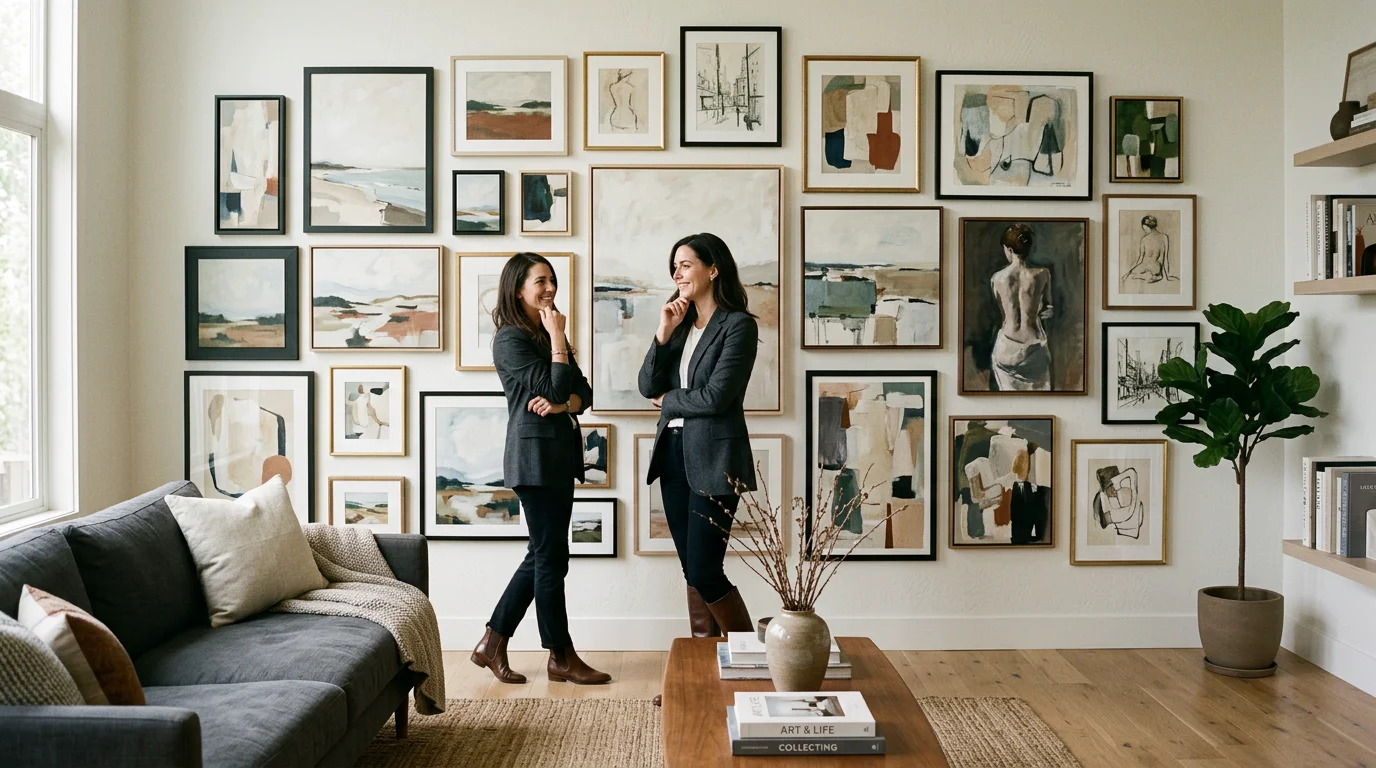

The way people collect has shifted for good. In 2026, buying a painting no longer means booking a gallery appointment or waiting for an auction; a signed original can travel from a studio to your wall with a few clicks. If you're mapping out your options, our art gallery guide is a useful companion to the choices below.
Still, the sheer number of platforms makes the first purchase intimidating. The global figures show why: knowing where to buy art online now matters more than ever, because the online segment has become a serious slice of a much larger market. According to Mordor Intelligence, the online fine art market reached USD 14.1 billion in 2026. Below, we break down every route so you can choose with confidence.
The four main ways to buy art online today
Not all platforms do the same job. Before you compare individual sites, it helps to understand the four broad categories you'll run into, because each one solves a different problem.
- Curated marketplaces aggregate thousands of independent artists in one place, sorted by style, medium, and price. They're built for browsing volume.
- Online gallery platforms represent vetted artists and established dealers, with stronger provenance and curation.
- Home and lifestyle retailers sell prints, canvas art, and reproductions as part of a wider decor catalog.
- Direct-from-artist channels connect you to the maker, so you buy the original piece and often commission custom work.
The demand behind these channels keeps climbing. Transaction volumes are rising fast, with Art Basel reporting over 42 million global art transactions in 2025, driven largely by lower-priced works and first-time buyers entering through digital platforms. If you want to understand how a curated space actually operates before you spend, learn how to buy from a contemporary art gallery.
Marketplaces versus galleries: which fits your goal?
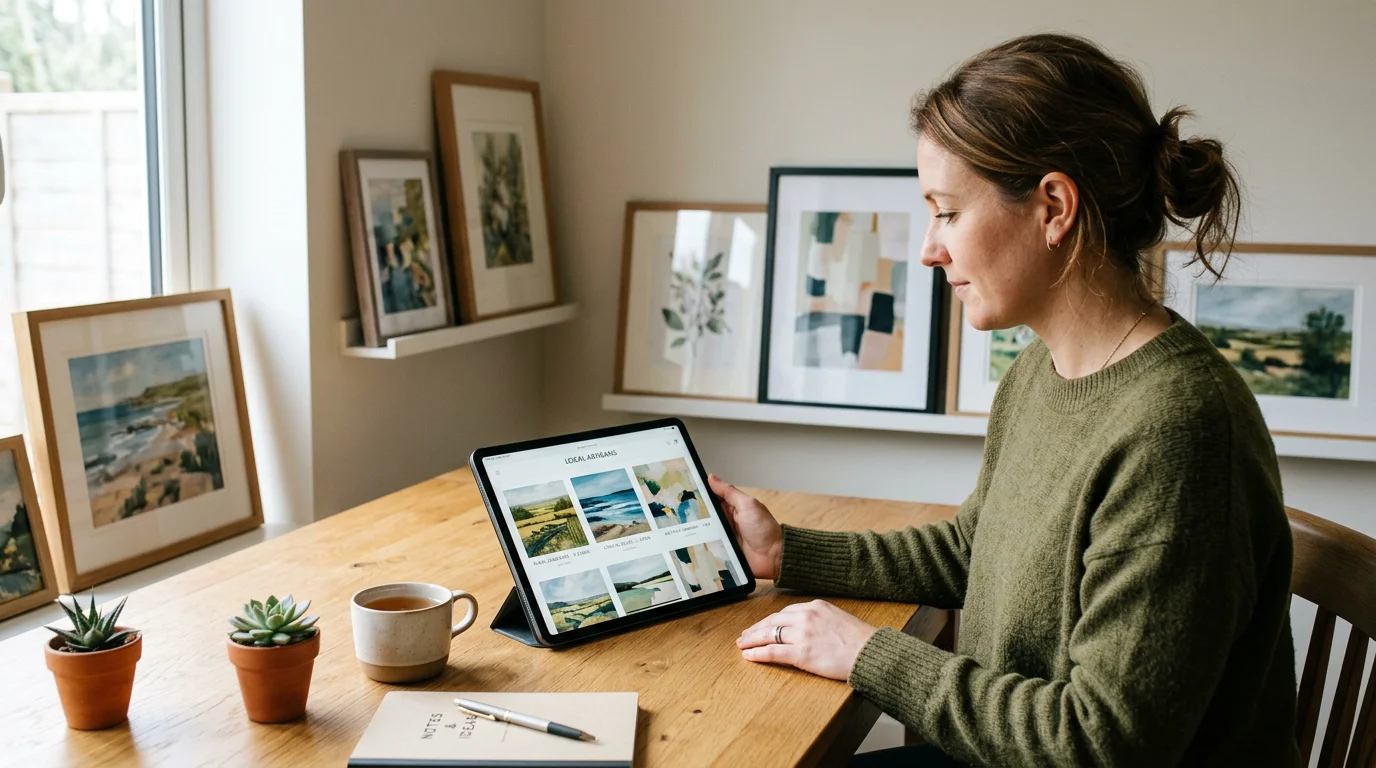
Imagine you want an abstract painting under $500. A marketplace lets you filter thousands of pieces in minutes, which is ideal for discovery. A gallery platform shows you fewer works, but each one is vetted, and you get context about the artist's practice and career.
The distinction matters for value too. Original paintings still anchor the market: Grand View Research reports the paintings segment held the largest share, 33.8%, of the online art market in 2024. If long-term value or emotional connection matters to you, an original signed artwork from a represented artist usually outperforms a mass-produced print.
Prints and reproductions have their place. They're affordable, easy to frame, and great for filling a large wall quickly. Just be clear about what you're buying: a limited-edition print is not the same as a one-of-a-kind original, and the price should reflect that. When you want a genuine original close to home, you can also find original art for sale near you.
What art actually costs online in 2026
Budget is usually the first real filter. The good news is that entry points are lower than most people expect, and the market is broad enough to serve both first-time buyers and seasoned collectors. The US online art sales industry alone was worth $4.2 billion in 2026, and industry analysis notes online channels now sit around 16% of total art sales as they widen access.
Here's how the main routes compare on the factors that matter most when you're deciding where to spend.
| Channel | Typical starting price | Originals? | Custom commissions |
|---|---|---|---|
| Home/lifestyle retailers | $15 to $50 | Rarely | No |
| Curated marketplaces | Around $100 | Yes | Sometimes |
| Online gallery platforms | $150 and up | Yes | Occasionally |
| L'Original (direct-from-artist) | From 680 $ CAD | Yes, hand-made only | Yes, 2 to 6 weeks |
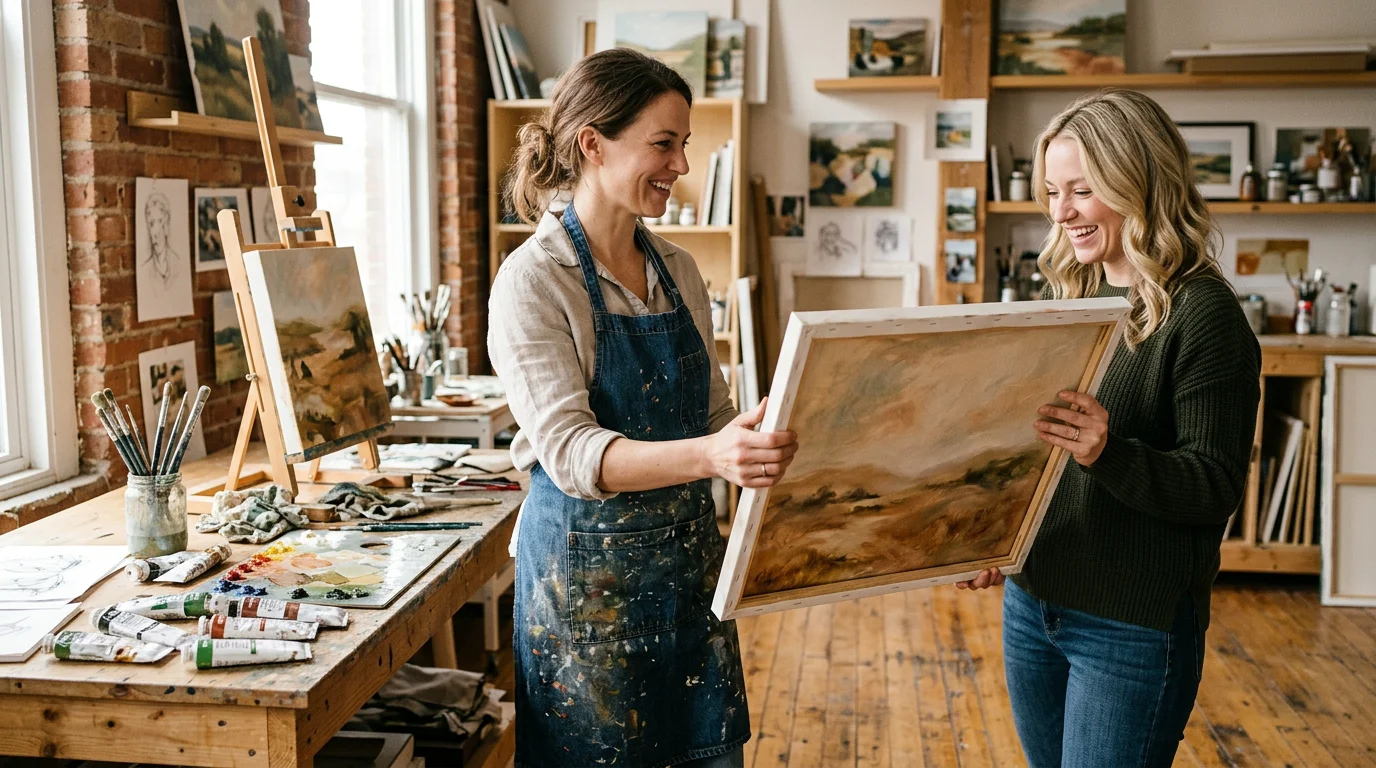
We sit in the direct-from-artist camp on purpose. We represent living artists and sell only hand-made originals, with no prints, and we handle custom murals and made-to-measure pieces end to end. That combination of transparent provenance and turnkey commissioning is hard to match with a generic catalog.
How to buy original art with confidence
A few habits protect you regardless of platform. First, confirm exactly what you're purchasing: original, limited edition, or open print. Second, check that the work is signed and comes with documentation of authenticity. Third, read the return policy before you commit, since reputable sellers let you send a piece back if it doesn't work in your space.
Provenance and secure payment now drive buyer trust more than ever. SNS Insider notes that secure transactions, provenance tracking, and detailed online previews have all boosted buyer confidence in the digital art trade. Ask about framing too; some platforms include it, others price it separately, and that gap can change your total meaningfully.
Buying straight from the artist: our matched approach
Here's the route many collectors overlook. Instead of scrolling endless grids, you get paired with an artist whose style fits what you actually want. That's the idea behind our PickArt flow: it takes about two minutes to match you with an artist, it's free, and there's no sign-up or download required.
From there, you have three clear paths. You can buy a matched original directly, save a shortlist of your top artists to explore further, or commission a custom piece with follow-up from brief to delivery. You can even upload a photo of a piece you already own so we can suggest works that complement it. This direct model reflects a wider shift: younger, digitally native buyers are reshaping demand, and platforms that reduce friction between maker and collector are the ones gaining ground.
Choosing your route with confidence
There's no single right answer to where to buy original art online; there's only the answer that fits your goal. If you want cheap decor fast, retailers and print shops work. If you want a vetted original with real provenance, a gallery or direct-from-artist channel serves you better. Decide first whether you want an original or a print, set a budget, and confirm authenticity and returns before you pay. Do that, and your first online art purchase becomes something you'll enjoy for years, not a gamble.
Take action with L'Original
Ready to move from browsing to owning a piece you'll actually love? Skip the endless grids and let the work come to you, matched to your taste and made by a real artist rather than mass-produced.
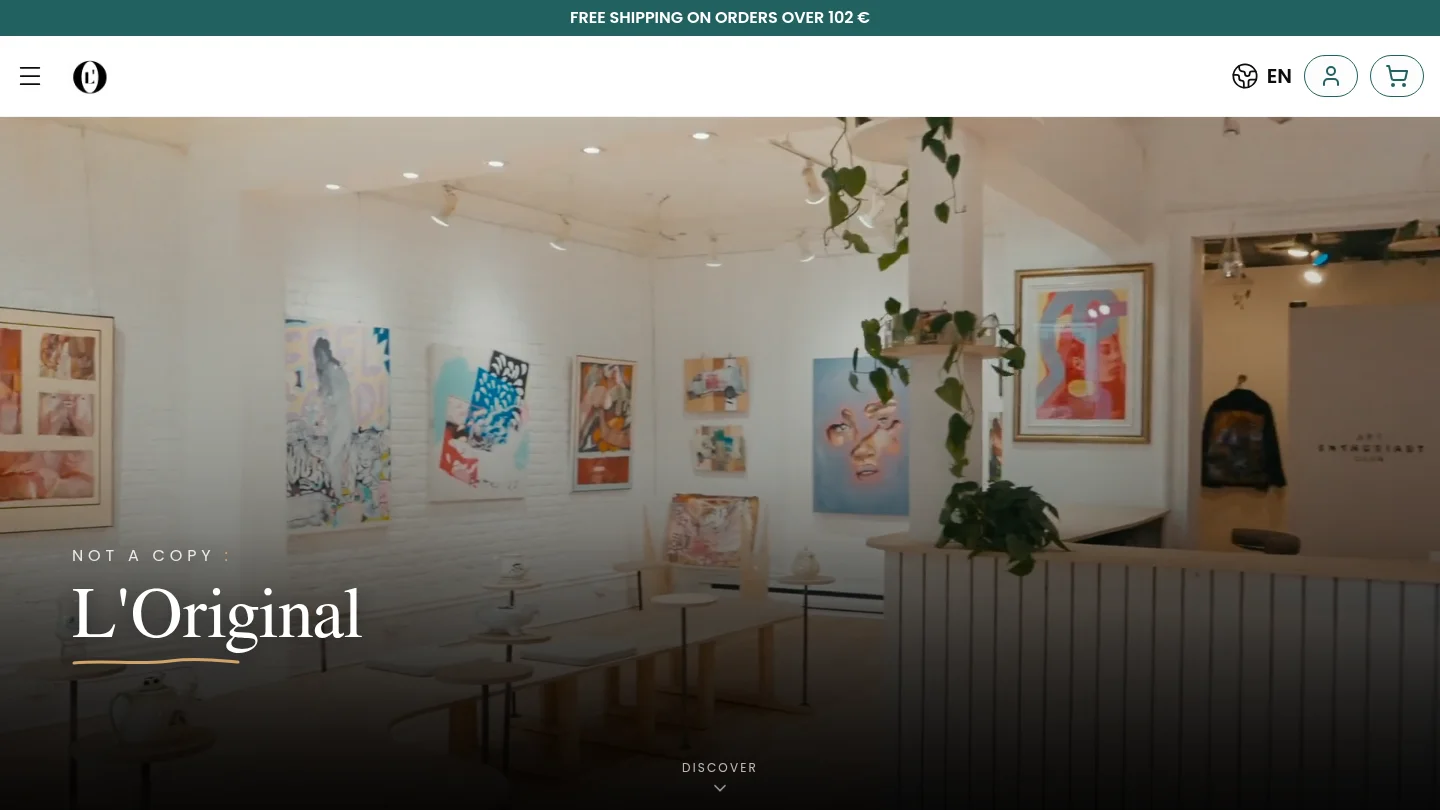
We represent 230 professional painters and have delivered 1,200 murals worldwide, all hand-made with no prints. Use our PickArt artist matching to buy an original directly, build a shortlist, or commission a custom piece with end-to-end follow-up from brief to delivery in two to six weeks. It's free, needs no sign-up, and takes about two minutes to start.
Frequently Asked Questions
Is it safe to buy art online?
Yes, as long as you use reputable platforms with secure payment and clear authenticity documentation. Look for signed originals, provenance details, and a fair return policy. These safeguards have become standard and are a big reason buyer confidence keeps rising.
How much should I spend on my first piece?
There's no fixed rule, but entry points are lower than most expect. Prints start under $50, while original paintings on marketplaces often begin around $100. Set a comfortable budget first, then filter platforms to match it.
What's the difference between an original and a print?
An original is a one-of-a-kind work made by hand, while a print is a reproduction, sometimes limited edition. Originals typically hold value and carry a unique signature. Always confirm which you're buying, because the price should reflect that difference.
Can I commission a custom artwork online?
Absolutely. Some platforms connect you directly with artists for made-to-measure pieces. Through our PickArt flow, for example, you can commission a custom painting or mural with follow-up from brief to delivery, typically within two to six weeks.
Should I buy from a marketplace or a gallery?
Marketplaces are best for browsing large volumes and discovering emerging artists quickly. Galleries and direct-from-artist channels offer stronger curation, provenance, and guidance. Choose based on whether you value variety or vetted quality more.