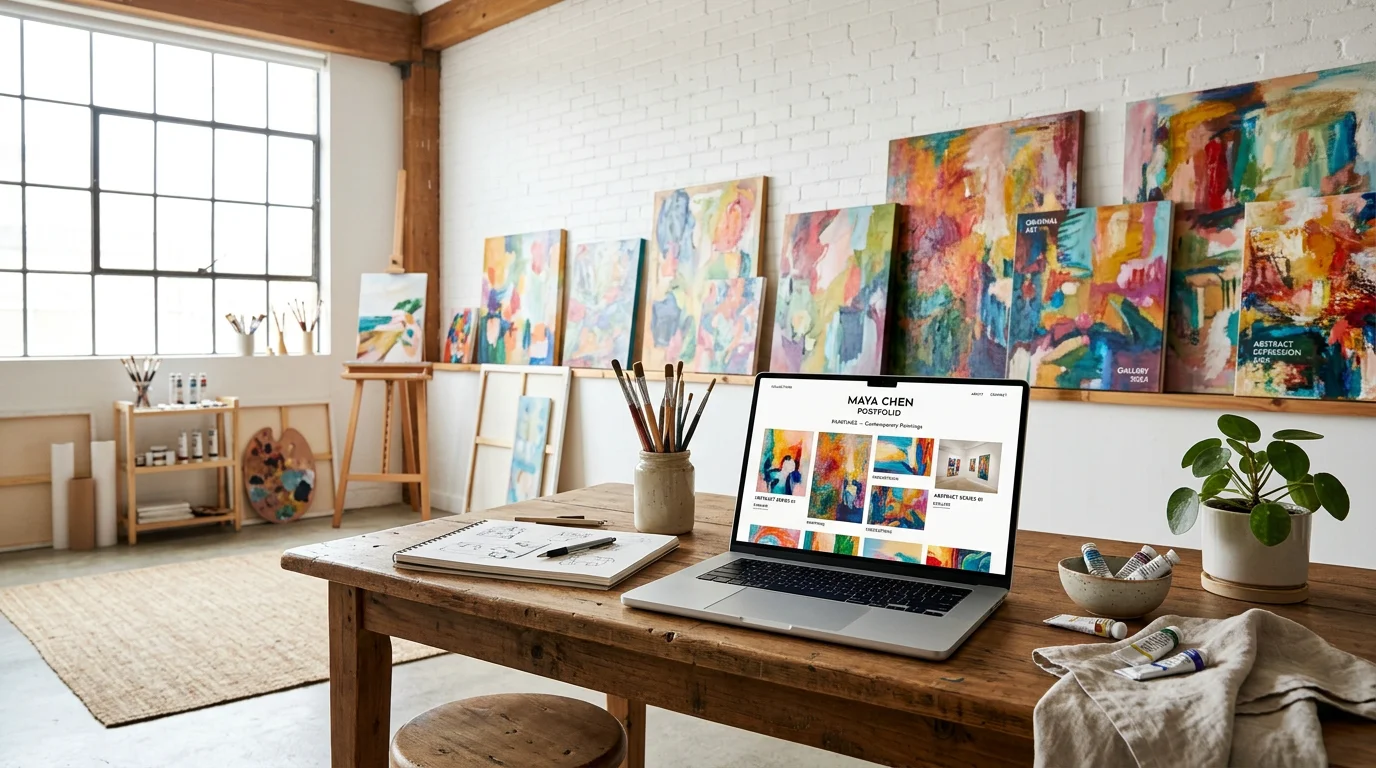

Nearly $60 billion changed hands in the global art market last year, yet more and more of that journey now starts on a screen. Before a collector emails you, walks into a show, or clicks to browse artists we represent, they've usually already judged your work online. That first impression rarely happens in a studio anymore. It happens on your portfolio, your feed, or a gallery page.
So the real question isn't whether you need an online presence. It's which platforms actually get your art in front of the right people. The best websites for artists to show their work aren't all the same, and picking the wrong one can quietly cost you sales. The global art market returned to growth in 2025, rising 4% to an estimated $59.6 billion, and the artists who show up well online are the ones capturing that demand.
Why your online presence decides who sees your art
Think about how buyers behave now. They research before they commit. According to the Art Basel and UBS survey, impulse buying among high-net-worth collectors fell from 10% in 2023 to just 1%, with respondents favoring background research before purchasing. In practice, that research happens on the pages you control or the platforms you join.
This is exactly why choosing the right websites for artists to show their work matters so much. A polished portfolio signals you're serious. A discoverable profile puts you in front of curators and clients. Missing either one means your art competes with one hand tied behind its back. The goal is simple: be easy to find, easy to trust, and easy to buy from.
The main types of platforms for showing your art online
Not all art platforms do the same job. Broadly, you're choosing between four categories, and most working artists end up using two or three together.
- Portfolio website builders: Tools like Squarespace, Pixpa, or Format let you build a self-hosted site with your own domain, galleries, and shop. You get full design control, but you're responsible for driving your own traffic.
- Creative communities: Behance offers free portfolio hosting with built-in discovery through Adobe's creative network. The trade-off is that portfolios live on a shared subdomain and visibility depends on the platform's curation.
- Social media: Instagram and similar feeds give you reach and instant feedback, but a post can vanish in the algorithm. It's a shop window, not a permanent home.
- Online galleries and marketplaces: These connect you directly with collectors and handle the commercial side, from presentation to sale, so you can focus on making work.
Each category solves a different problem. Builders give you a home base. Communities and social feeds spread the word. Galleries bring buyers who are ready to spend.
What a strong art portfolio website needs
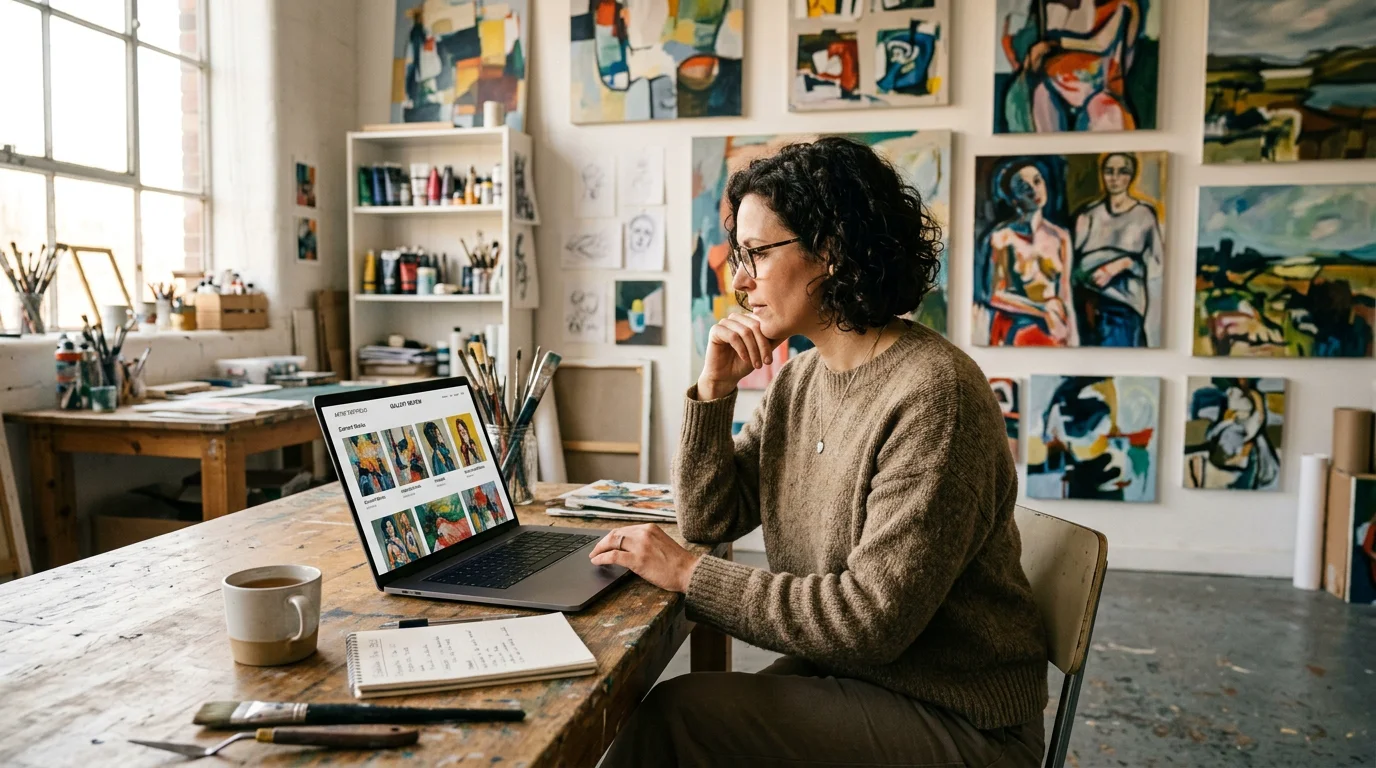
A beautiful site that nobody can navigate still fails. The strongest artist portfolios put your best work first, sort it into clear collections, and give visitors one obvious next step: see more, read your story, or get in touch. They also load fast and read well on a phone, because that's where most people first meet your art.
Beyond the visuals, a few essentials matter: high-resolution images with accurate color, clear titles and dimensions, a short and human artist statement, and a friendly contact path. If you sell directly, integrated and trustworthy checkout is non-negotiable. Writing about your work well is part of the job too; if you're unsure where to start, our guide on how to write an art gallery description walks through language that helps a piece sell rather than just sit there.
Comparing your options at a glance
Here's how the common paths stack up against each other and against working with a gallery like ours.
| Option | Best for | Discovery built in | Sells originals | You handle marketing |
|---|---|---|---|---|
| Portfolio builders | Full design control | No | Yes, self-managed | Yes |
| Creative communities | Free exposure | Algorithm-based | Limited | Partly |
| Social media | Reach and feedback | Algorithm-based | No native store | Yes |
| L'Original (gallery representation) | Selling and commissions | Yes, matched to buyers | Yes, hand-made originals | No, we handle it |
The pattern is clear. Do-it-yourself platforms give you control but leave discovery and selling on your shoulders. Representation trades some control for buyers who are already looking.
Why gallery representation beats going it alone
Here's the nuance most "best portfolio" lists skip. Building a site is easy; getting the right people to see it is the hard part. Online-only sales actually tapered to 15% of total market value in 2025, as buyers rebalanced between digital and in-person channels. Digital discovery matters, but the sale often needs a trusted intermediary to close it.
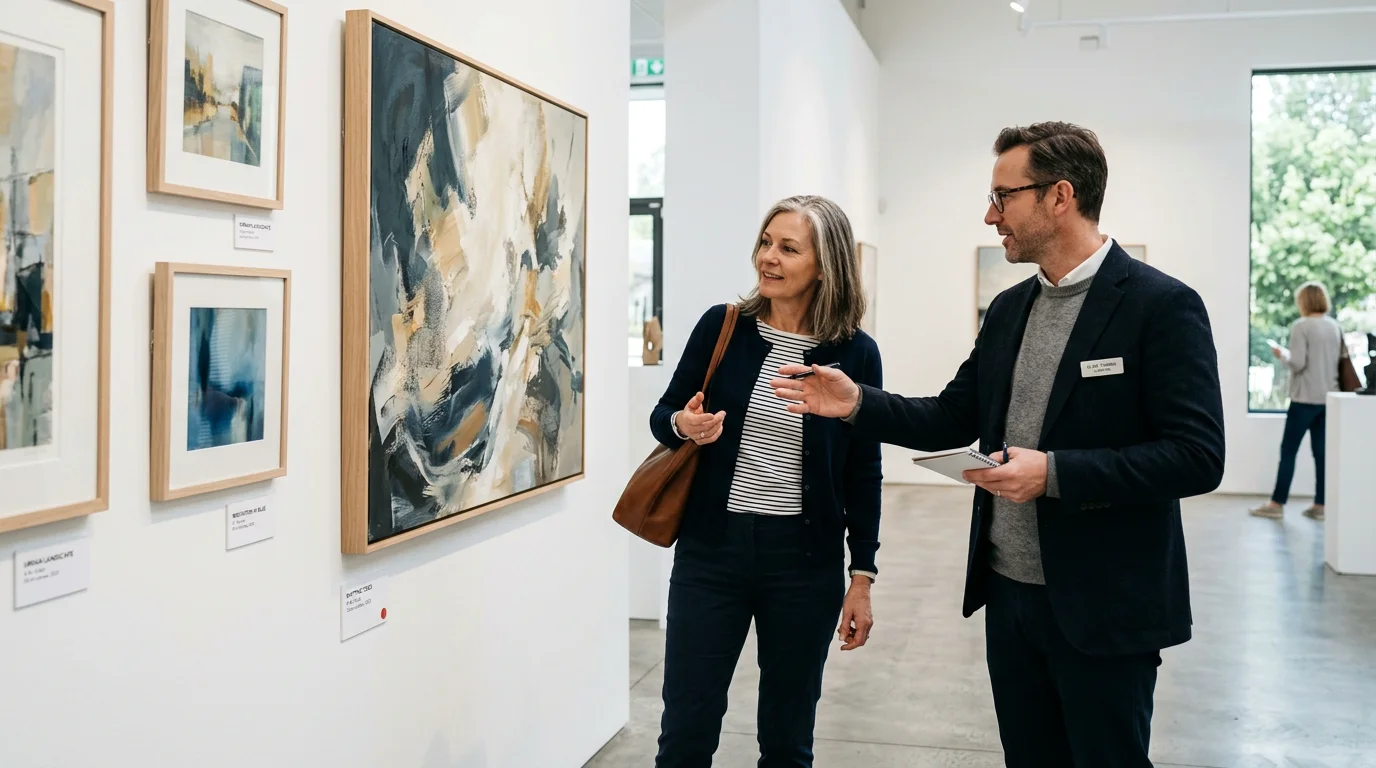
That's where representation pulls ahead. The United States alone accounted for a 44 per cent share of global sales, and reaching those collectors takes more than a good site. It takes matching, context, and follow-through. We represent 230 professional painters and connect visitors with the right artist in about two minutes, then help them buy an original or commission a custom piece. No prints; every artwork is made by hand.
How to choose the right setup for your career
Start with your goal, not the tool. If you want a permanent, controllable home for your work, build a portfolio site and keep it lean. If you want reach, add one social channel you'll actually maintain. And if your priority is selling originals or landing commissions, lean on a gallery that brings buyers to you.
Most artists do best with a combination: a portfolio as their base, a feed for visibility, and representation for sales. If you're still learning how the gallery side works, our art gallery guide explains how buyers explore, collect, and purchase art, which helps you present your own work in a way that meets them where they are.
Putting it all together
There's no single winner among the platforms artists use to show their work. A portfolio builder gives you a home, social media gives you reach, and a gallery gives you buyers. The artists who thrive treat these as layers, not either-or choices. Decide what your online presence is for, structure everything around that goal, and keep the experience fast, clear, and easy to buy from. Do that, and your art stops competing for attention and starts earning it.
Take action with L'Original
Showing your work is only half the story. The other half is being matched with people who actually want to collect it or commission something new. That's the gap we close, connecting living artists with buyers looking for original, hand-made pieces.
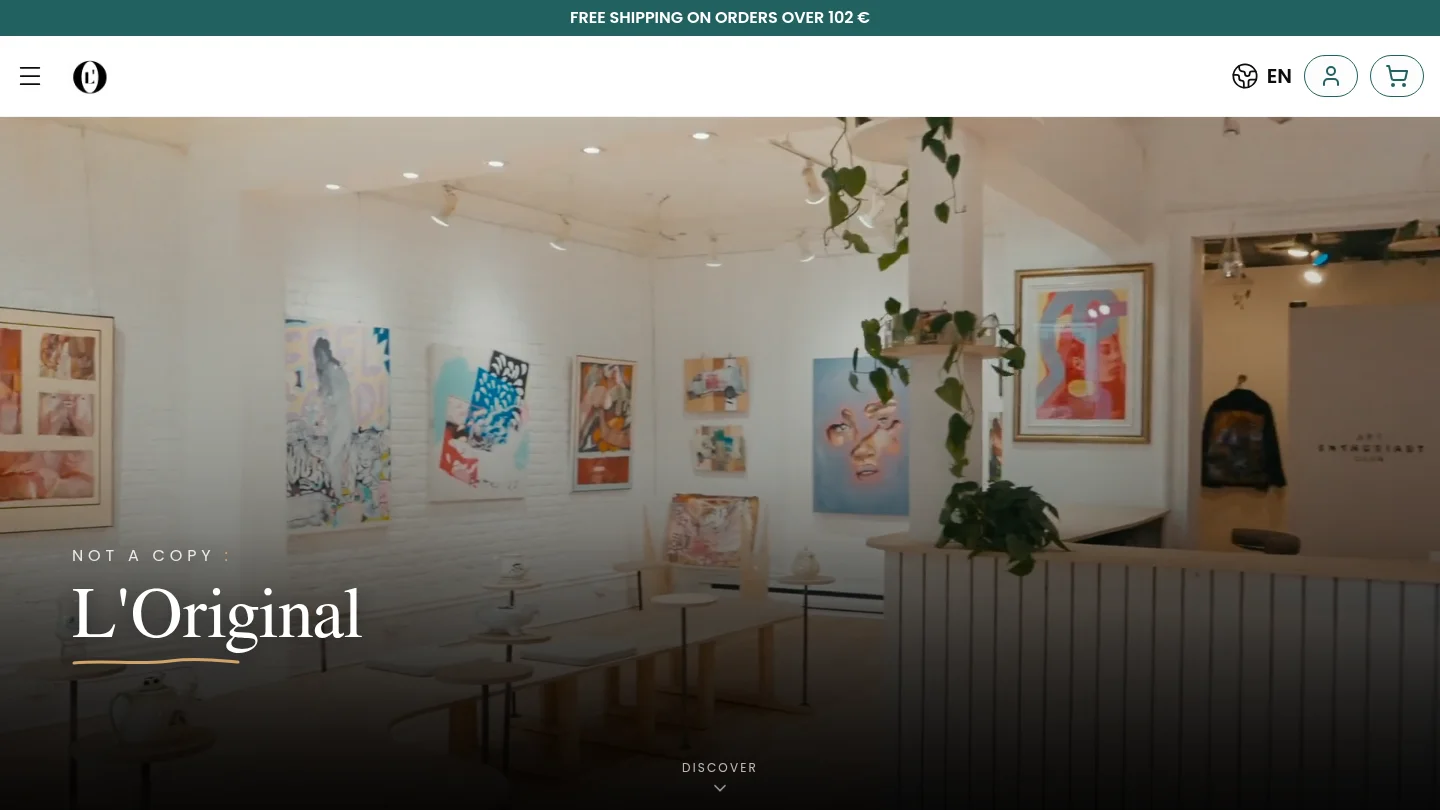
We represent 230 professional painters, sell signed originals starting from $680 CAD, and manage custom murals and made-to-measure work end to end, from brief to delivery. If you make original art and want a real path to collectors and commissions, you can join as an artist and let us handle the matching and the selling while you stay in the studio.
Frequently Asked Questions
Do I really need my own website if I'm on social media?
Social media gives you reach, but posts disappear fast and you don't own the platform. A dedicated portfolio is a permanent, professional home that signals you take your craft seriously. Most artists benefit from having both, plus a selling channel.
What's the difference between a portfolio site and a gallery?
A portfolio site is a space you build and control, but you drive your own traffic and sales. A gallery represents you, brings collectors, and handles presentation and selling. Working with us, for example, means you focus on making art while we manage matching buyers and originals.
Can I sell originals directly from a portfolio website?
Yes, many builders include e-commerce so you can sell straight from your site. The catch is that you're responsible for trust, logistics, and attracting buyers. That's why some artists pair a portfolio with representation to reach ready collectors.
How much does a good artist website cost?
Self-hosted builders commonly range from around $12 to $40 per month depending on features and storage. Free community platforms exist but limit customization and custom domains. Weigh the monthly cost against how much selling and discovery you actually need.
Is online the main way collectors discover art now?
Online is central to discovery and research, and collectors increasingly investigate artists before buying. That said, online-only sales made up about 15% of the market's value in 2025, so in-person and gallery channels still close many deals. A blended approach works best.