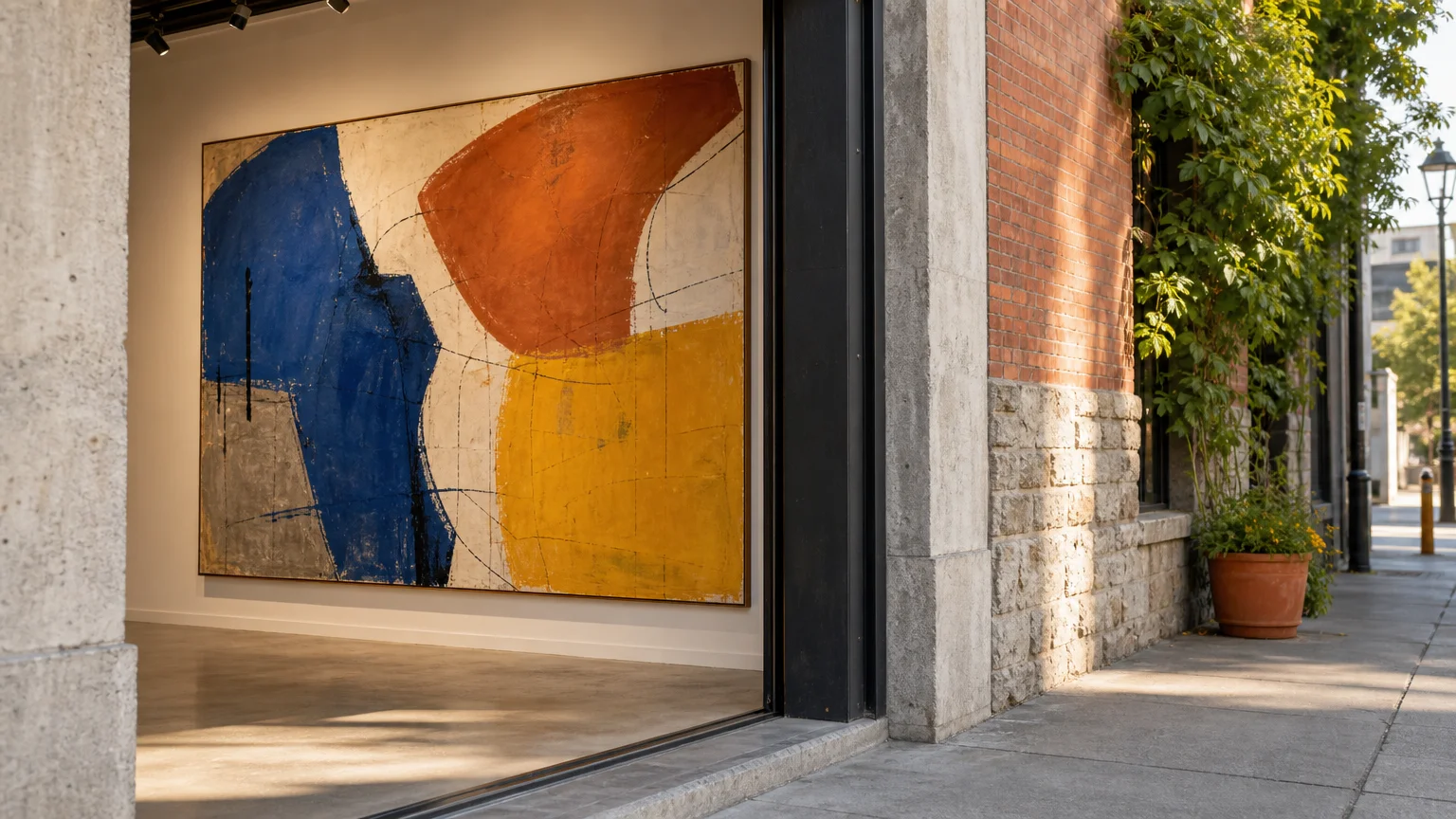

A strong urban art gallery gives you more than a room filled with colorful work. It creates a meeting point between artists, collectors, neighborhoods, and ideas. If you want to understand how street culture developed into collectible visual art, you can also explore our Montreal street art history guide.
Some galleries focus on original paintings and sculptures. Others combine exhibitions with murals, live events, artist talks, workshops, or community programs. The right choice depends on whether you want to visit an exhibition, buy an artwork, commission a project, discover emerging artists, or bring an urban visual language into your own space.
What is an urban art gallery, exactly?
An urban art gallery is a gallery shaped by the visual culture of the city. It may feature graffiti, street art, mural painting, contemporary painting, sculpture, photography, mixed media, or installations. The term describes both the subject matter and the way the space connects art with public life.
Unlike a traditional gallery focused only on formal exhibition rooms, an urban art gallery often responds to its surroundings. The neighborhood, architecture, local history, and everyday movement of people can influence the artists and the exhibitions. A German public-space report describes urban art as extending into public environments, where streets and buildings can function as open-air galleries. Read the public spaces report for that broader perspective.
This doesn't mean every urban gallery is informal or temporary. Many present carefully selected original works, issue certificates of authenticity, organize professional exhibitions, and support artists through sales or commissions. The strongest spaces combine the directness of street culture with the care of contemporary art curation.
Why does the urban setting matter?
Imagine seeing the same mural in a white studio and on a wall beside a busy avenue. The image might be identical, but the meaning would change. Urban art gains part of its impact from scale, location, movement, architecture, and the people who encounter it.
That context can make the work feel personal and immediate. A mural may reference local history, respond to a building's structure, or give a neglected wall a new role. A gallery can preserve that energy while giving the artist better conditions for presentation, documentation, sales, and long-term visibility.
Urban art also raises useful questions about access and ownership. Who can see the work? Who maintains it? Was the artist commissioned? Can the image be reproduced commercially? Research from the University of Lisbon examines how an urban gallery can transform public space while also creating tensions around cultural identity, public control, and the experience of residents. Explore the urban gallery research for this nuanced view.
What might you see inside one?
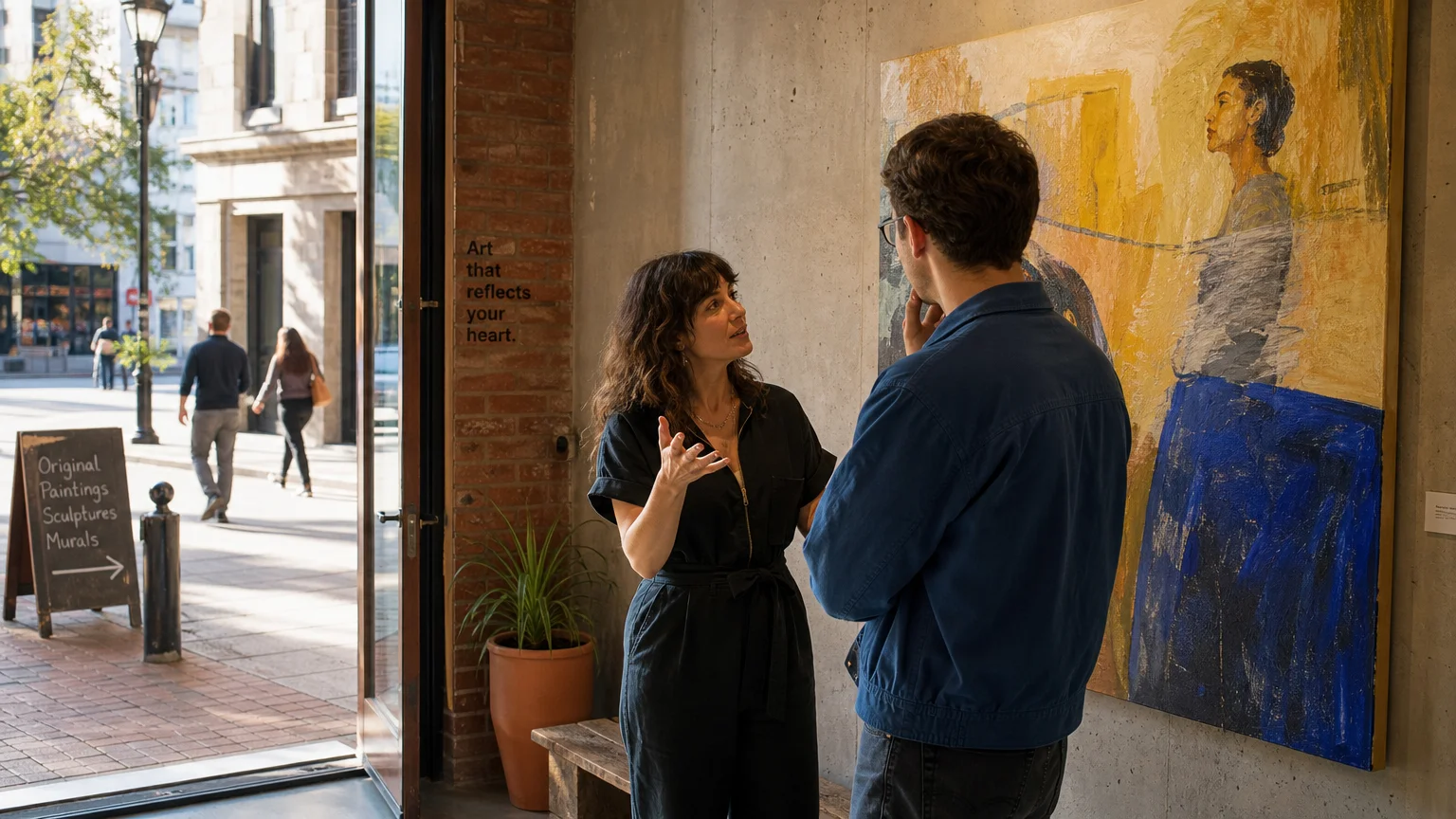
Step into one urban art gallery and you may find a focused solo exhibition, a group show, or a changing selection of works by living artists. The visual range can include large canvases, limited editions, sculptures, photography, collage, prints, and site-specific installations.
Many spaces also extend beyond wall display. They may host artist conversations, live painting, poetry, music, workshops, youth programs, or private events. These activities turn the gallery into a cultural venue rather than a silent showroom.
Institutional urban art programs can also connect indoor exhibitions with outdoor interventions. A press document from Urban Nation in Berlin describes this kind of relationship between gallery presentation and open-air art in the surrounding city. That model shows how urban art can move between a museum-like setting and the public realm without losing its connection to everyday life.
If you're mainly comparing artworks for your home or office, start with the medium, dimensions, palette, and atmosphere you want. You can browse our street art paintings collection when you want to compare original visual styles before making a decision.
How do you choose the right urban art gallery?
If you're comparing several galleries, begin with your purpose. A collector looking for a one-off painting needs a different experience from a business planning a large mural. A visitor seeking community events may care more about programming, location, and accessibility than about private sales.
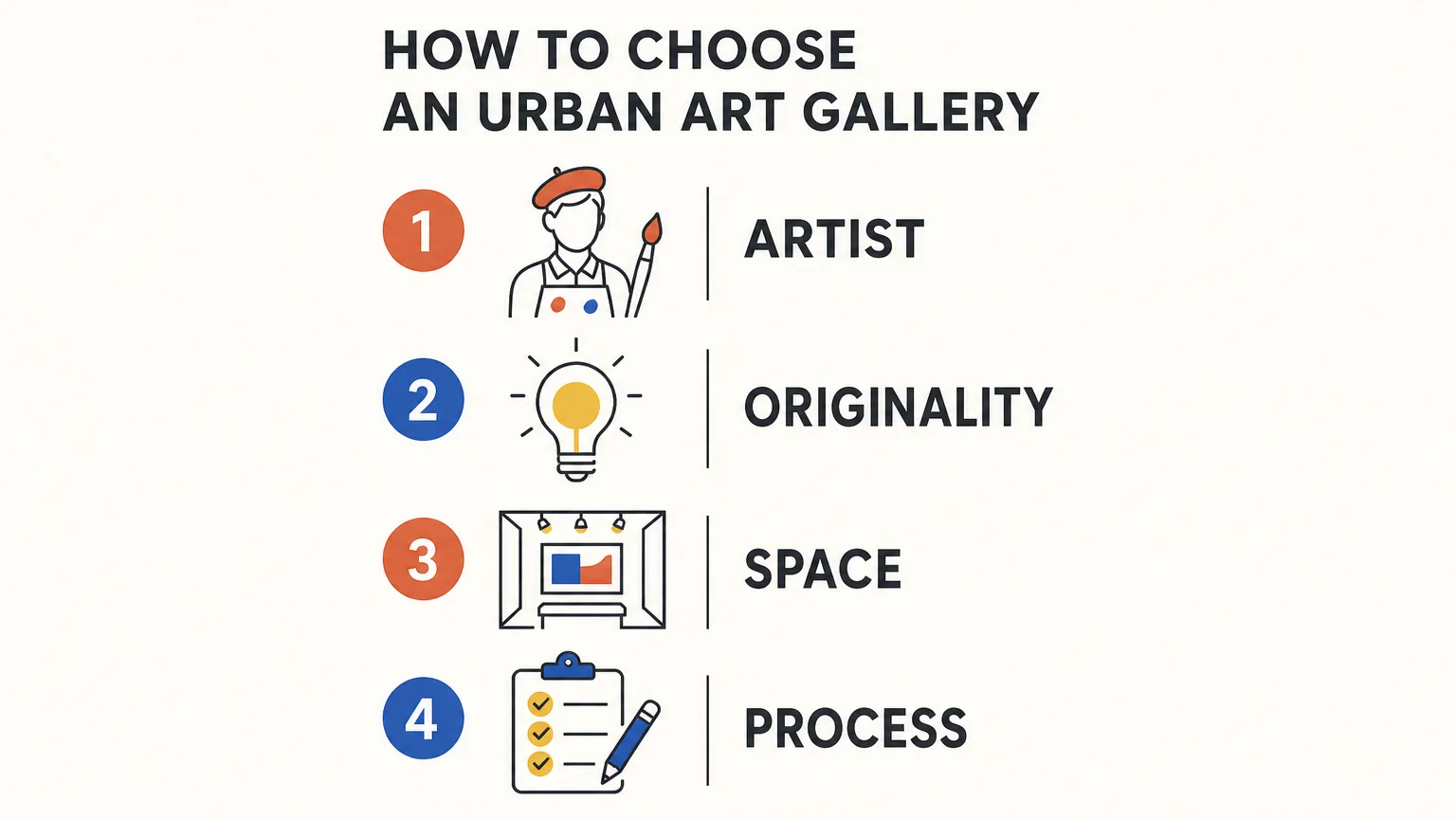
- Look at the artists. Check whether the gallery represents living artists, works with guest contributors, or mainly sells anonymous inventory. Artist biographies, studio information, and consistent portfolios can help you understand the relationship between the gallery and the people making the work.
- Study the curatorial direction. Does the gallery focus on graffiti, contemporary urban art, murals, sculpture, or a wider mix? A clear point of view makes it easier to find work that feels coherent with your taste.
- Check originality and provenance. Ask whether the work is an original, a print, or a reproduction. For original art, look for information about the artist, technique, dimensions, signature, certificate of authenticity, and ownership documentation.
- Consider the viewing experience. A physical visit can help you judge scale, texture, color, and framing. An online catalogue is useful when you need wider access, remote consultations, or international shipping.
- Ask about commissions. If you want a mural or custom painting, find out how the artist is selected, how the proposal is approved, who prepares the surface, and how the final payment is handled.
For a custom mural, the artist's style is only one part of the decision. You should also evaluate wall access, surface condition, project timing, protective finishes, maintenance, and image-use rights. To simplify that search, you can review our urban mural artists and compare styles suited to different spaces.
Should you buy an existing work or commission one?
Suppose you've found a gallery whose artists match your taste. Your next decision is whether to select an available artwork or request something made for your space.
An existing work is usually the simpler route. You can compare the listed price, dimensions, technique, colors, and presentation details before purchasing. This option works well when you already know what atmosphere you want and can find a piece that fits your wall.
A custom artwork commission is more personal but requires more collaboration. You'll need to describe the space, mood, inspiration, format, and practical limits. The gallery can then match you with an artist, develop a proposal, provide a quote, and refine the concept before production begins.
Murals involve additional planning because the artwork becomes part of the architecture. Surface preparation, access, drying time, furniture protection, lighting, and protective coatings all influence the final result. For commercial projects, the agreement should also clarify copyright and the permitted use of photographs showing the finished mural.
At L'Original, we support both paths. You can choose an original work from a catalogue, or describe your project so we can help match you with an artist and develop a quote before the work starts.
What makes curation and community important?
A gallery's value isn't limited to the objects it sells. Curation helps you navigate a large field of artists and styles. It gives context to the work, creates connections between artists, and helps buyers understand why a piece may suit a particular collection or space.
Community matters because urban art often develops through conversation. Exhibitions, workshops, studio visits, and public projects can help artists reach people who may not feel comfortable in traditional art settings. They also give residents a chance to see their neighborhoods represented through new visual perspectives.
This is especially relevant when a gallery works with emerging or living artists. Buying a one-off painting or commissioning a mural can support an active creative practice while giving you a piece with a direct connection to its maker. It also encourages a relationship built around dialogue rather than anonymous decoration.
Look for evidence of that relationship. Does the gallery explain how artists are selected? Does it present consistent portfolios? Does it offer artist information and professional logistics? These details can tell you whether the gallery is simply displaying inventory or building a meaningful platform for creative work.
What should you check before buying?
Before you commit, take a practical look at the artwork and the purchase process. Strong visual appeal matters, but so do the details that affect how the work will live in your space.
- Dimensions: Measure the wall and check whether the listed size includes the frame.
- Weight: Confirm whether your wall and hanging system can safely support the piece.
- Color: Ask how closely online images represent the original artwork under normal lighting.
- Condition: Request information about the medium, surface, finish, and preservation needs.
- Authenticity: Confirm whether a certificate or signed documentation is included.
- Shipping: Ask how the work is packed, insured, tracked, and delivered.
- Returns: Read the conditions carefully, especially for made-to-order pieces.
- Rights: Separate ownership of the physical artwork from permission to reproduce its image.
For a mural, add a site assessment to this list. The wall should be clean and accessible, and the project plan should identify preparation responsibilities, working days, paint types, workspace protection, and the approval point for the finished work.
Can an online urban art gallery replace a physical visit?
It can replace some parts of the visit, but not all of them. An online catalogue gives you broader access, especially when you live far from the gallery or want to compare artists before traveling.
Digital browsing is useful for checking dimensions, prices, techniques, artist portfolios, and availability. Video calls can also help you discuss a custom painting or mural with the team and artist. Still, an in-person visit lets you experience surface texture, scale, framing, and color in a way that screens can't fully reproduce.
The most flexible model combines both options. You can discover work online, ask questions remotely, and visit a physical gallery when you want a closer look. This approach is particularly helpful for international buyers who need detailed information before arranging delivery.
L'Original combines an online catalogue with two Montreal galleries, worldwide shipping, visual artwork discovery through PickArt, and consultations for custom projects. That combination gives you a practical way to explore urban art while keeping access to gallery guidance.
Choose a gallery that connects art with purpose
The right urban art gallery should help you do more than find an attractive image. It should make the artist, the artwork, the setting, and the buying process understandable. Look for thoughtful curation, clear information, authentic original work, and a process that respects both your space and the artist's practice.
Whether you want a painting, sculpture, exhibition experience, or custom mural, choose a gallery that gives you room to ask questions. The best fit is the one that connects your personal or professional environment with art that feels intentional, lasting, and genuinely meaningful.
Take action with L'Original
When you want urban art with a clearer path from discovery to installation, we can help you compare original works, explore living artists, and define the atmosphere you want for your space. You don't need to arrive with the perfect art vocabulary or a finished concept.
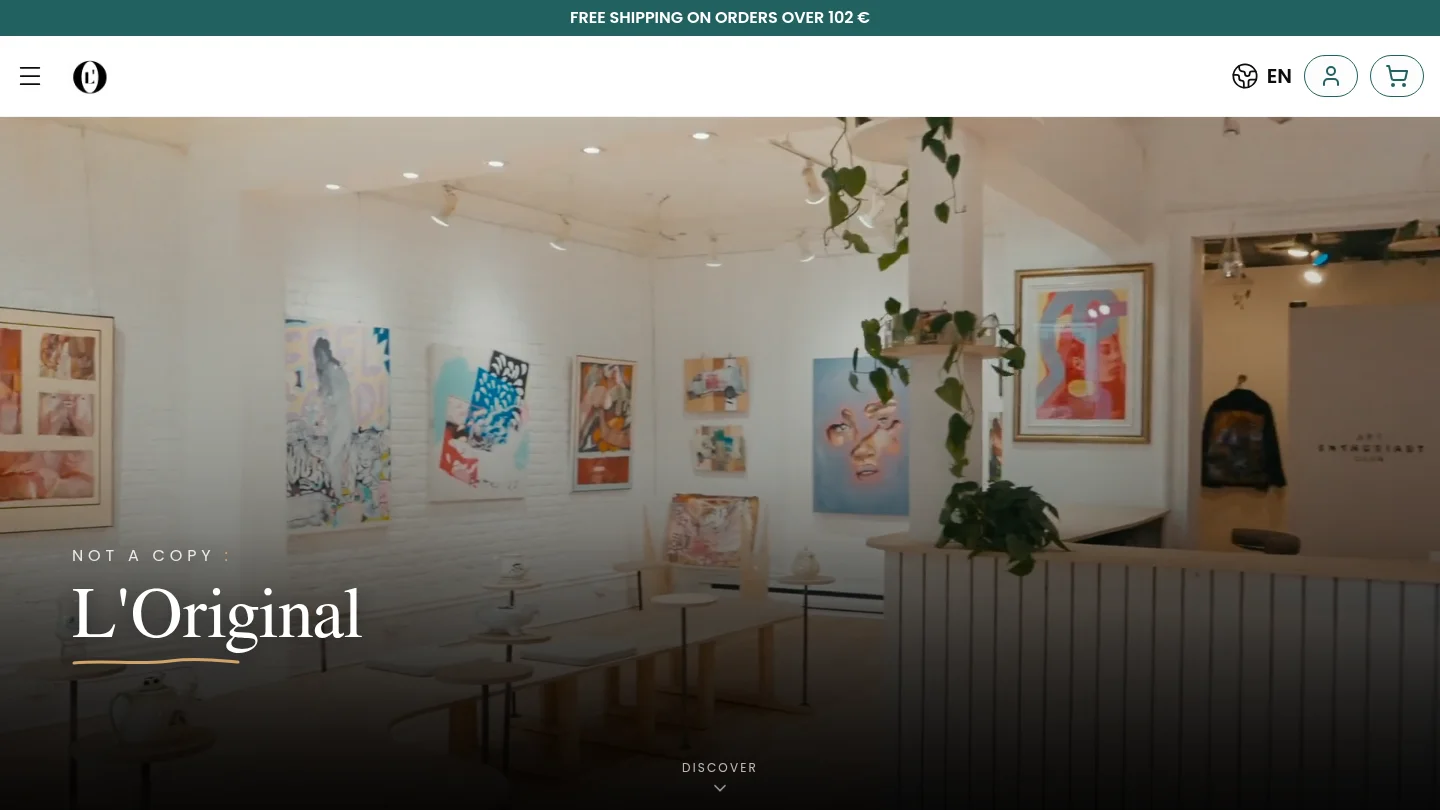
Browse our online catalogue, visit our Montreal galleries, use PickArt to explore visual matches, or discuss a custom painting, sculpture, or mural with our team. We can support artist matching, quoting, project planning, shipping logistics, and mural follow-up. Explore our best street art gallery options and take the next step toward art that reflects your heart.
Frequently Asked Questions
What makes an urban art gallery different from a traditional gallery?
An urban art gallery usually connects its exhibitions with street culture, city life, public space, or community identity. It may show paintings and sculptures while also presenting murals, installations, live events, or educational programs.
Can I buy original artwork online?
Yes, many galleries provide online catalogues with images, dimensions, prices, and artist information. Before buying, confirm authenticity, shipping arrangements, hanging details, and the return conditions.
Is street art always displayed outdoors?
No. Street art can be created for public walls, but it can also appear on canvas, wood, paper, sculpture, or indoor installations. The important distinction is often the visual language and cultural context, not only the location.
How does a custom mural project usually begin?
It usually begins with a discussion about the wall, dimensions, audience, desired mood, budget, and practical constraints. At L'Original, we can help match you with a mural artist, develop a proposal, assess the surface, and plan the project before painting starts.
What should I ask before commissioning artwork?
Ask about the concept, timeline, price, materials, revisions, installation, maintenance, and copyright. You should also clarify how approval works and what happens if the finished work doesn't match the agreed brief.