
How does a simple cone of wood or metal still captivate kids and collectors after more than 4,000 years? The spinning top has outlived empires, survived the video game era, and bounced right back through the Beyblade craze. Whether you grew up whipping a wooden model in the schoolyard or you chase precision pieces today, this ancient toy keeps pulling in new fans. If you love hunting down beautiful objects, you might also enjoy our guide on how to find the right art gallery close to you in 2026.
Behind all that nostalgia sits a real market. According to Verified Market Reports, the toy top segment was valued at 1.5 billion dollars in 2024 and keeps climbing. That staying power says something: a well-balanced top is pure physics you can hold in your hand. Let's unpack what makes these toys spin, where they came from, and how to pick the one that fits you.
What Exactly Is a Spinning Top?
A spinning top, or toupies in French, is a toy designed to rotate on its own axis for as long as possible while balancing on a single point. It's simple to describe and surprisingly deep to understand. The magic is all about balance and momentum.
Three things make a good top work. You need a balanced mass, with the center of gravity sitting right on the axis. You need a large moment of inertia, meaning weight spread far from the center. And you need a tiny contact point on the tip to cut down friction with the ground.
Once it's launched, a top behaves like a gyroscope. That's why it stays upright while spinning fast, then wobbles and falls as it slows. Lower the center of mass, reduce tip friction, and push the weight outward, and you'll stretch the spin time considerably.
A Toy Older Than Recorded History
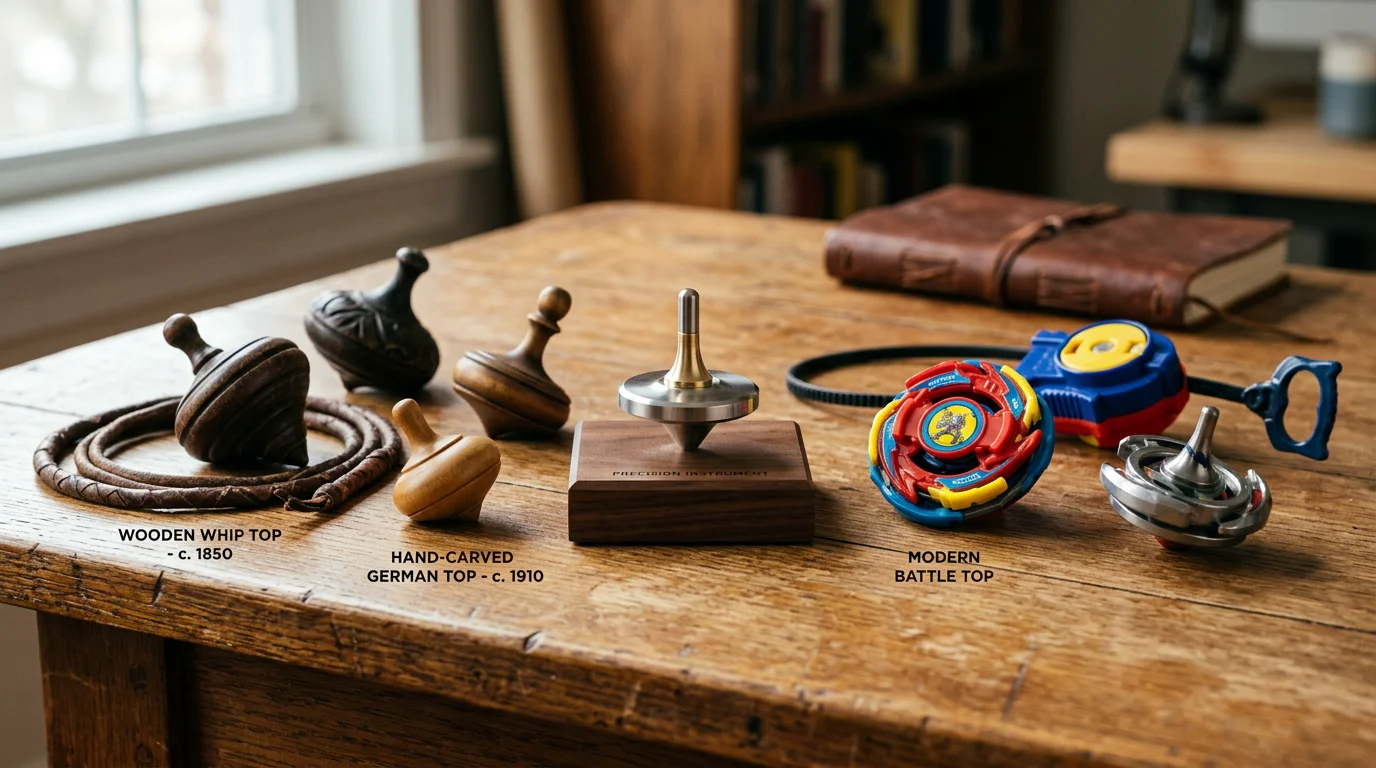
People have been spinning tops for a very long time. Archaeologists have found clay tops in China dating back more than 4,000 years, and the game spread across Korea, Japan, and beyond well before the 10th century. In some regions, players fouetted the top with a whip to keep it moving across ice or smooth ground.
Europe caught the bug too. In 15th-century England, some villages kept a giant communal top used only for public races during festival season. Tops have been carved from wood, terracotta, stone, metal, plastic, and bamboo, adapting to whatever materials and traditions a culture had on hand.
That long lineage matters. Few toys can claim thousands of years of continuous play across almost every continent. The spinning top isn't a fad; it's a piece of shared human heritage that keeps reinventing itself.
The Many Faces of Spinning Tops
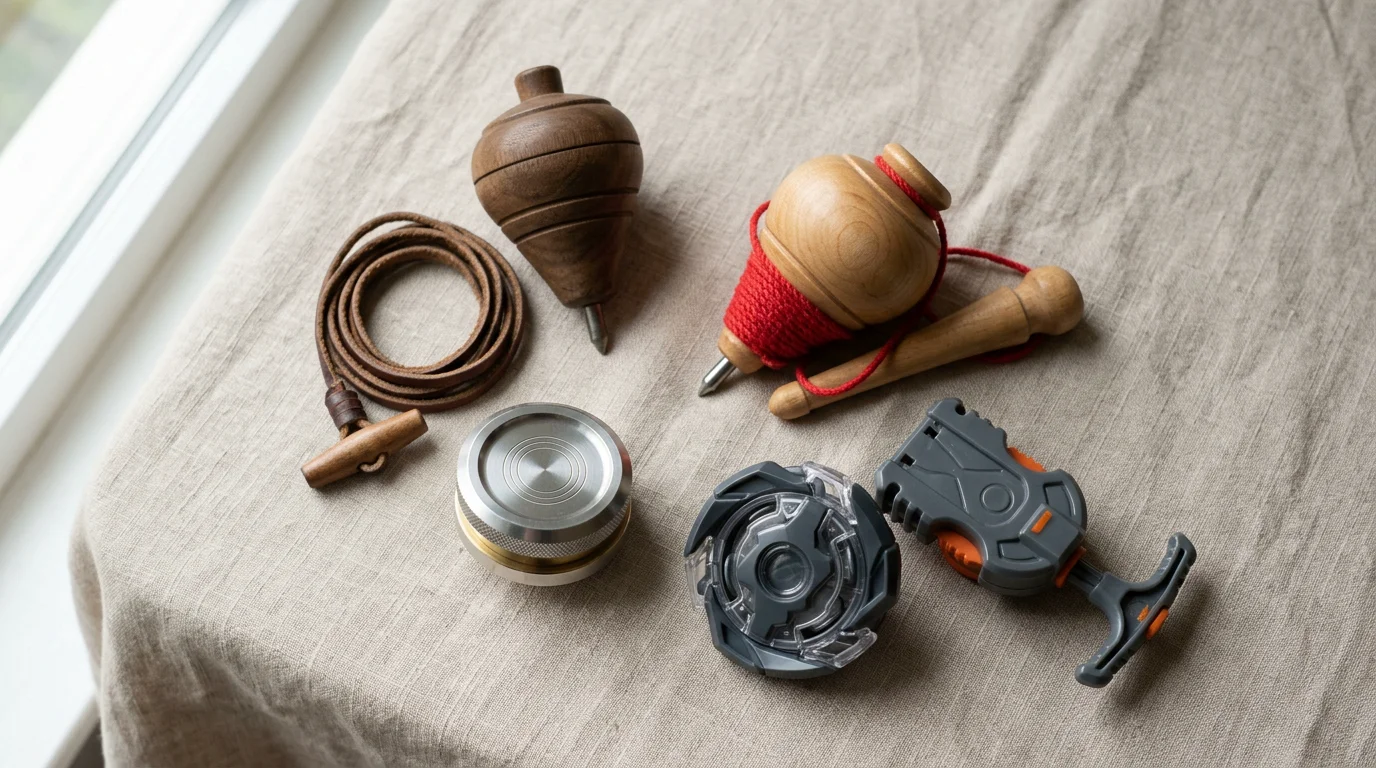
Not every top is the same, and the differences are fun to explore. Classic string tops, like the Spanish trompo, launch when you unwind a cord wrapped around the body. Whip tops keep going as you strike them with a leather lash. Then there's the tippe-top, a truncated sphere that flips over and spins on its stem.
Some designs stretch the definition. The fidget spinner, technically a flat top on a multi-branch axis, exploded into a global phenomenon. More than 300 million units sold worldwide during its 2017 to 2019 peak, and recent market analysis still puts annual production above 45 million units. Even a viral gadget owes its physics to the humble top.
One important distinction: totons and dreidels aren't true tops. They're random-number generators meant to fall quickly and reveal a face, closer to dice than to a balance toy. A real top is judged by how long it keeps spinning, not how fast it stops.
Beyblade and the Modern Spinning Top Boom
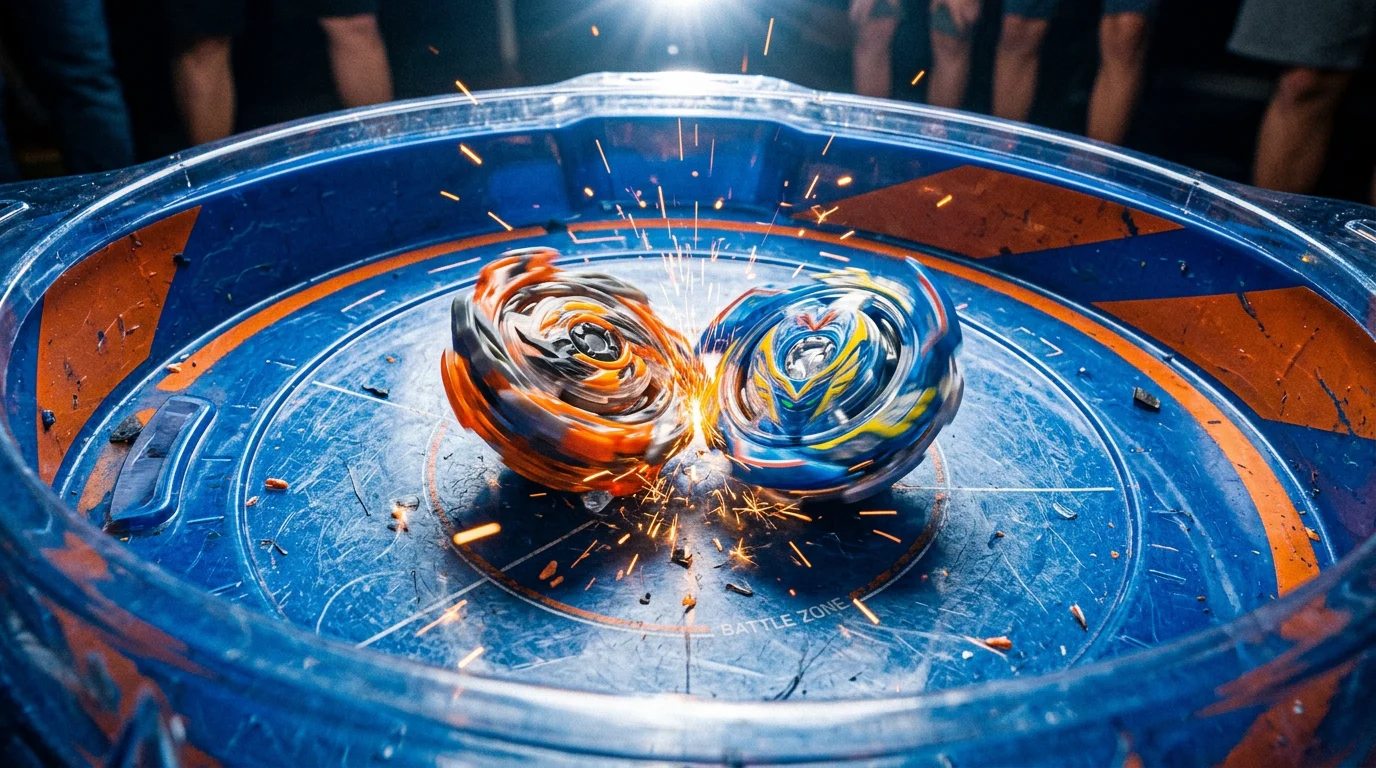
Ask any kid about tops today and you'll probably hear one word: Beyblade. This Japanese franchise turned the toy into a competitive sport. Each Beyblade assembles from several parts, letting players customize inertia, balance, and attack style, then launch it into an arena to knock out a rival.
That reinvention fueled real commercial momentum. The broader toy market reached 120.5 billion dollars in 2025 according to Global Market Insights, with collectibles and franchise-driven lines among the strongest performers. Battle tops sit right in that sweet spot, blending nostalgia, competition, and constant new releases.
Modern lines span several generations, from Metal Fusion to Burst and the newer high-speed X system. Dedicated shops now stock hundreds of models plus launchers, grips, and stadiums. For a toy that started as a clay cone, that's a remarkable second life.
Collecting Precision Tops as Objects of Craft
Beyond the toy aisle sits a quieter, more refined world: precision spinning tops. These collector pieces are machined to tolerances that rival aerospace work. Makers use metals and rare materials like tungsten, titanium, and zirconium, sometimes assembling several parts of different compositions into one balanced object.
The tips often carry a tiny, perfectly smooth ball of ceramic or tungsten carbide to slash friction. With a little practice, a top just one inch wide can spin for over ten minutes. Prices climb into the hundreds of dollars, which is exactly why collectors treat them as functional art rather than playthings.
That instinct feels familiar to anyone drawn to fine objects. The same eye that appreciates a handmade top often appreciates what makes museum quality art worth collecting in 2026. If you love spaces that showcase craftsmanship, our overview of famous art galleries and the world's best spaces is worth a look too.
How to Choose Your Spinning Top
Picking the right top comes down to what you actually want to do with it. Want fast, competitive battles? A modern arena top with a customizable build and a solid launcher is the way to go. Prefer traditional skill and feel? A wooden string top rewards patience and technique.
Think about the user, too. Battle tops usually target ages six and up, while precision collector pieces suit adults who value engineering. Consumer demand backs this careful matching: industry research notes that more than 65% of parents now prioritize toys that support cognitive and creative development, and tops deliver exactly that hands-on learning.
A few quick pointers before you buy. Check the tip material, since a harder tip means longer spins. Match the launcher type, rack or string, to your comfort level. And if you're collecting, favor balance and build quality over flashy looks. A great top always spins truer than it shines.
The Bottom Line on Spinning Tops
Few toys connect ancient play with modern culture quite like spinning tops. They're a lesson in physics, a slice of global history, and a thriving hobby all at once. Whether you're launching battle tops with your kids, chasing a ten-minute spin from a precision piece, or simply admiring the craft, there's a top for you. Start with what excites you, learn the basics of balance and friction, and let the fascination build from there.
Take action with L'Original
If handmade spinning tops taught you anything, it's that objects made with real care and craftsmanship hit differently. That same appreciation for skilled hands and original creation is exactly what draws people to fine art. When you're ready to bring something truly one-of-a-kind into your space, we're here to help you find it.
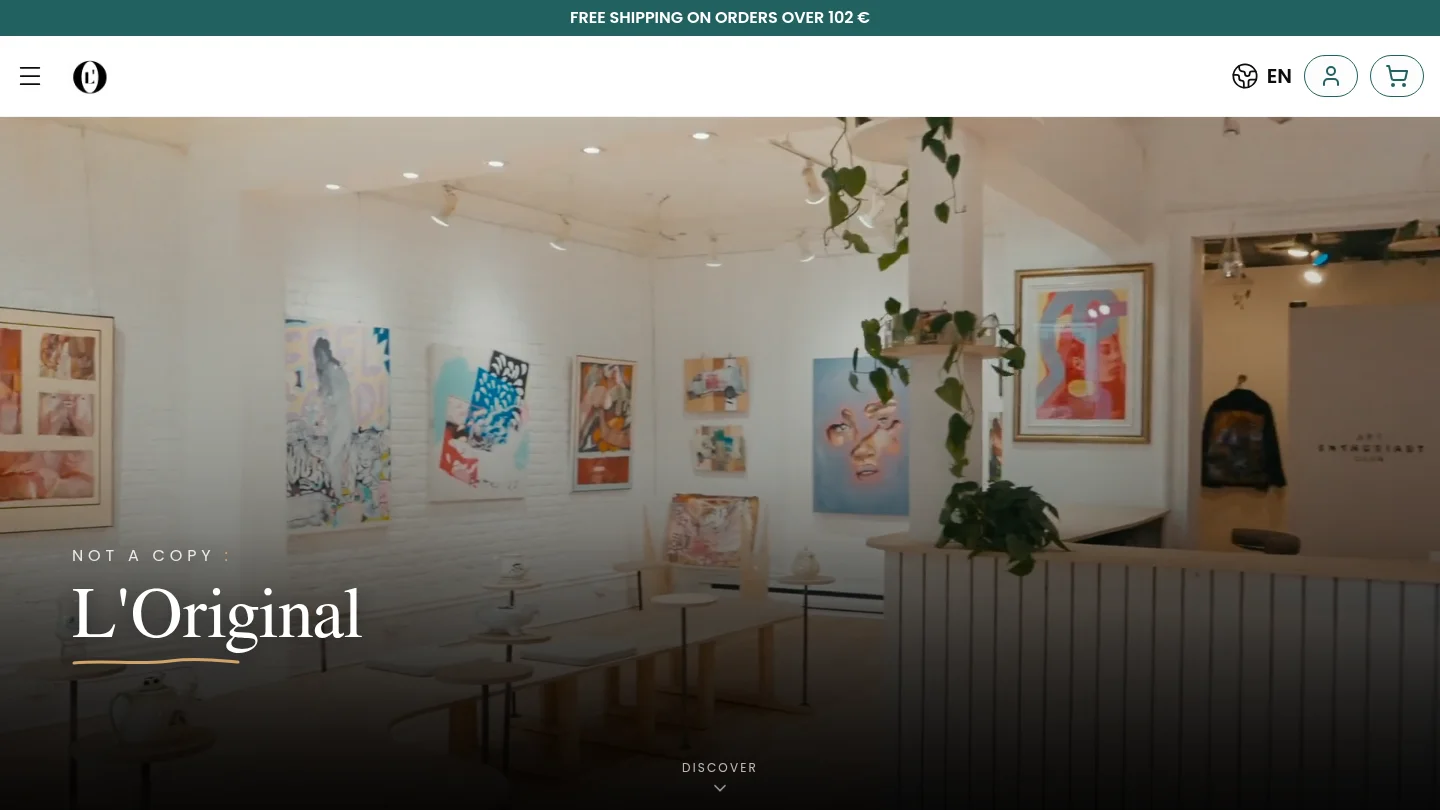
At L'Original, we represent living artists and connect you directly with the right maker through PickArt, our free two-minute matching flow. Every piece is made by hand, with no prints, and you can commission a custom painting or mural or simply buy an original signed artwork. From first brief to final delivery, we follow through end to end so you get a piece that's genuinely yours.
Frequently Asked Questions
How long can a spinning top spin?
It depends on the design and materials. A basic wooden or plastic top spins for seconds, while a precision-machined collector model with a low-friction ceramic tip can exceed ten minutes. Balance, tip quality, and moment of inertia all matter.
Are Beyblades considered real spinning tops?
Yes, absolutely. A Beyblade is a modern battle top assembled from several customizable parts and launched into an arena. It follows the same gyroscopic physics as a traditional top, just with a competitive, collectible twist.
What's the difference between a top and a dreidel?
A true spinning top is meant to rotate as long as possible and is judged on spin time. A dreidel, or toton, is a random-number generator designed to fall quickly and reveal a face, making it closer to dice than to a balance toy.
Are precision spinning tops a good collectible?
They can be, especially for people who value engineering and craftsmanship. These tops use rare metals and aerospace-grade tolerances, and prices reach into the hundreds of dollars. Collectors treat them much like functional art rather than simple toys.
Where can I find handmade original objects worth collecting?
If your love of crafted tops extends to fine art, we can help. At L'Original, we match you with living artists so you can buy an original signed piece or commission a custom work, all made by hand with no prints. It's collecting rooted in genuine craftsmanship.