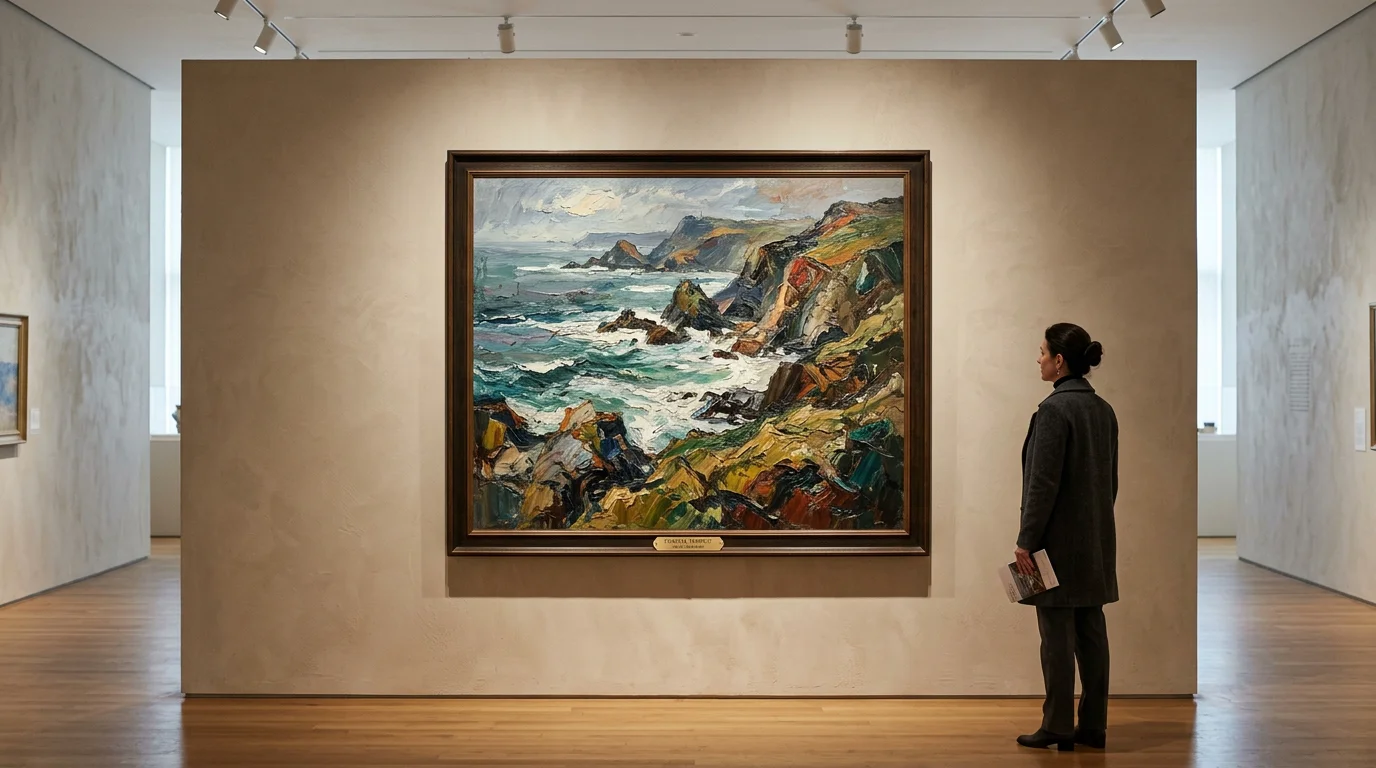

Here's a number that reframes how you might think about buying art: high-net-worth collectors now put a meaningful slice of their wealth into it. The phrase "museum quality" gets stamped on everything from $24 prints to six-figure canvases, so it pays to know what actually earns the label. When you understand the craftsmanship behind art built to institutional standards, you stop overpaying and start collecting with intent. Our guide to famous art galleries is a useful companion if you want to see these standards in person.
Demand is real and growing. According to the Art Basel and UBS report, HNW collectors allocated an average of 20% of their wealth to art in 2025, up from 15% the year before. That appetite is pushing more buyers to ask the right questions before they commit.
What "museum quality" actually means
The term is not regulated, which is exactly why it gets abused. At its core, the phrase museum quality art describes work made to the same conservation standards institutions use to preserve their permanent collections. That means materials chosen for longevity, sound structural construction, and finishes that resist fading, yellowing, and cracking over decades.
Three pillars tend to define it. First, archival materials: acid-free supports, lightfast pigments, and inks or paints rated to last generations. Second, expert execution, whether that's a painter's hand or a master printer's calibration. Third, documented provenance and authenticity, so a buyer knows exactly what they own and who made it. Strip away any one of these and the label loses meaning.
The materials and craftsmanship behind the label
Longevity is chemistry as much as artistry. Reputable makers print on 100% acid-free cotton paper and use pigmented inks with color-permanence ratings measured in hundreds of years. Original paintings rely on properly primed supports, quality mediums, and varnishes that protect the surface. These choices are invisible on day one and decisive by year thirty.
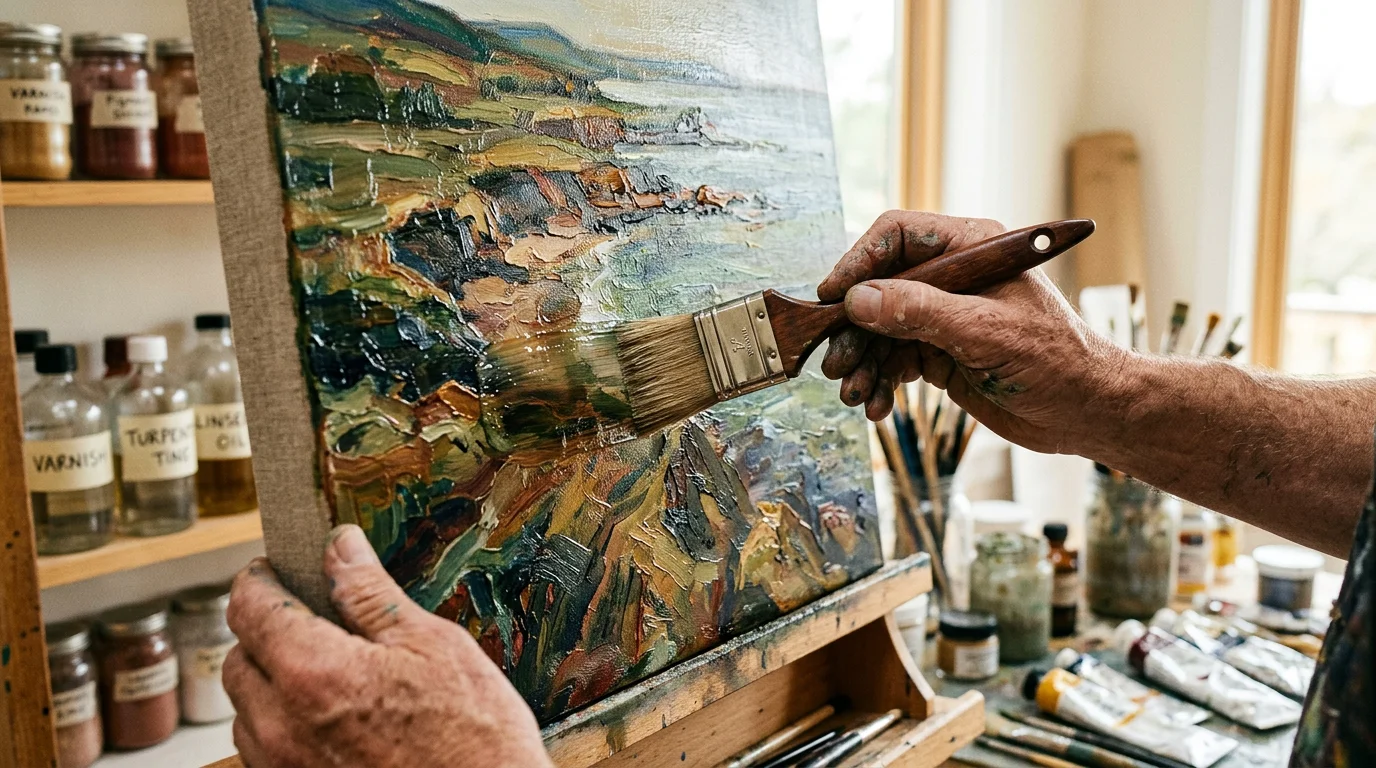
Craftsmanship is the second half of the equation. A giclée print can be genuinely archival, yet it remains a reproduction. An original handmade artwork carries the physical record of the artist's decisions: brushwork, texture, and layering that no print reproduces. If you care about owning something singular, that distinction matters. When you're weighing options, our guide to exploring and buying art walks through how to read materials and condition before you pay.
Originals versus prints: the honest difference
Two products often share the "museum quality" tag while sitting worlds apart. A fine reproduction reproduces a famous image affordably. An original is a one-of-a-kind object with its own market and its own provenance. Neither is wrong to buy; confusing them is the mistake.
We work only with living artists and originals, so we'll say it plainly: prints are decoration with real merit, and hand-painted originals are collectible assets. The table below lays out the practical trade-offs so you can match the format to your goal.
| Criterion | Fine art prints | Original artworks (L'Original) |
| Uniqueness | Editioned or open reproduction | One of a kind, made by hand |
| Entry price | From roughly $24-$39 | From $680 CAD |
| Made by | Printed from a digital file | 230 professional painters |
| Custom options | Size and frame only | Custom commissions in 2 to 6 weeks |
| Long-term value | Decorative | Collectible, artist-signed |
If a commission is what you're after, we handle it end to end, from brief to delivery, so the finished piece fits your space and concept exactly.
Why collectors care more than ever
The market context explains the surge of interest. The global art market recorded an estimated 57.5 billion dollars in sales in 2024, with the United States accounting for 43% of that value. Even in a year when total value dipped, the number of transactions grew, which tells you buyers stayed active.
Growth is also broadening at the lower end, where new and younger collectors enter. Long-run tracking from market statistics shows how buying channels and mediums keep shifting, with paintings holding their place as the most purchased category. Representation is widening too: the Art Basel and UBS data found works by female artists reached 37% of sales by value in 2025, up from 28% in 2018.
How to buy pieces that hold up
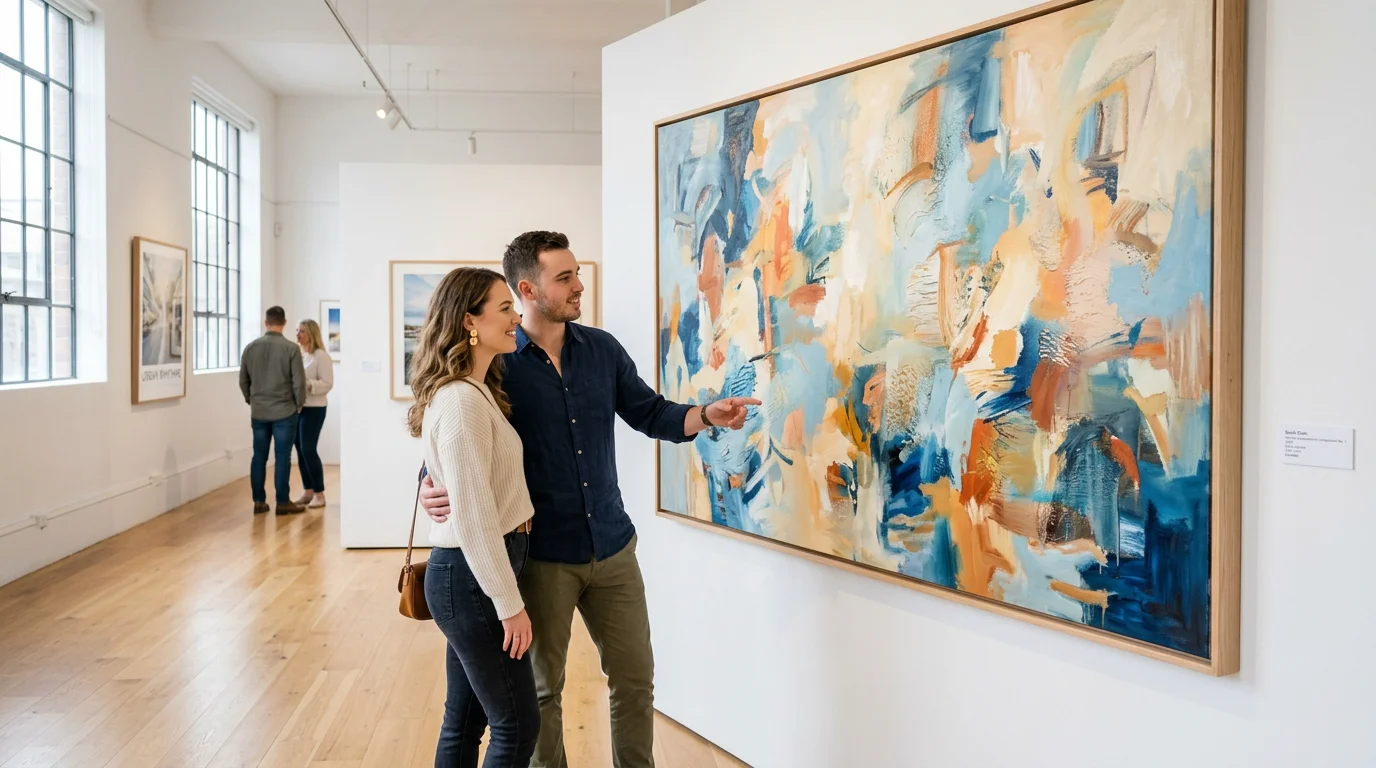
Start with questions, not with the frame. Ask what the work is made of, who made it, and whether documentation exists. A serious seller answers without hesitation. If a listing dodges materials or authorship, treat "museum quality" as marketing language rather than a promise.
A few habits protect you:
- Confirm the support and pigments are acid-free and lightfast.
- Get a signed certificate of authenticity for originals.
- Ask about edition size for prints; smaller usually means more collectible.
- Check who the artist is and whether they're actively represented.
- Buy through a gallery or platform that stands behind provenance.
Matching the work to the right artist speeds all of this up. Our guide to how a contemporary gallery works explains what happens between the studio and your wall, and why that chain matters for value.
Building a collection that lasts
Think in decades, not seasons. A collection built on archival, well-documented pieces ages gracefully and stays sellable. That's the quiet advantage of institutional standards: they're a hedge against regret. Buy what moves you, but confirm it's built to survive the years you plan to keep it.
Display and care finish the job. Keep works out of direct sunlight, control humidity, and use UV-protective glazing for anything on paper. Even a genuinely archival piece rewards a little stewardship.
The takeaway
The phrase carries weight only when it's backed by substance. Genuine museum-grade artwork combines archival materials, real craftsmanship, and clear provenance, and those three things protect both your enjoyment and your money. Decide first whether you want a reproduction to decorate or an original to collect, then apply the same durability checks to either. Ask direct questions, demand documentation, and you'll rarely overpay for a label.
Take action with L'Original
If you'd rather own something singular than hang a reproduction, the next step is finding the artist whose work fits your space and taste. That's the gap we close: matching you with living painters and guiding you from first spark to finished piece.
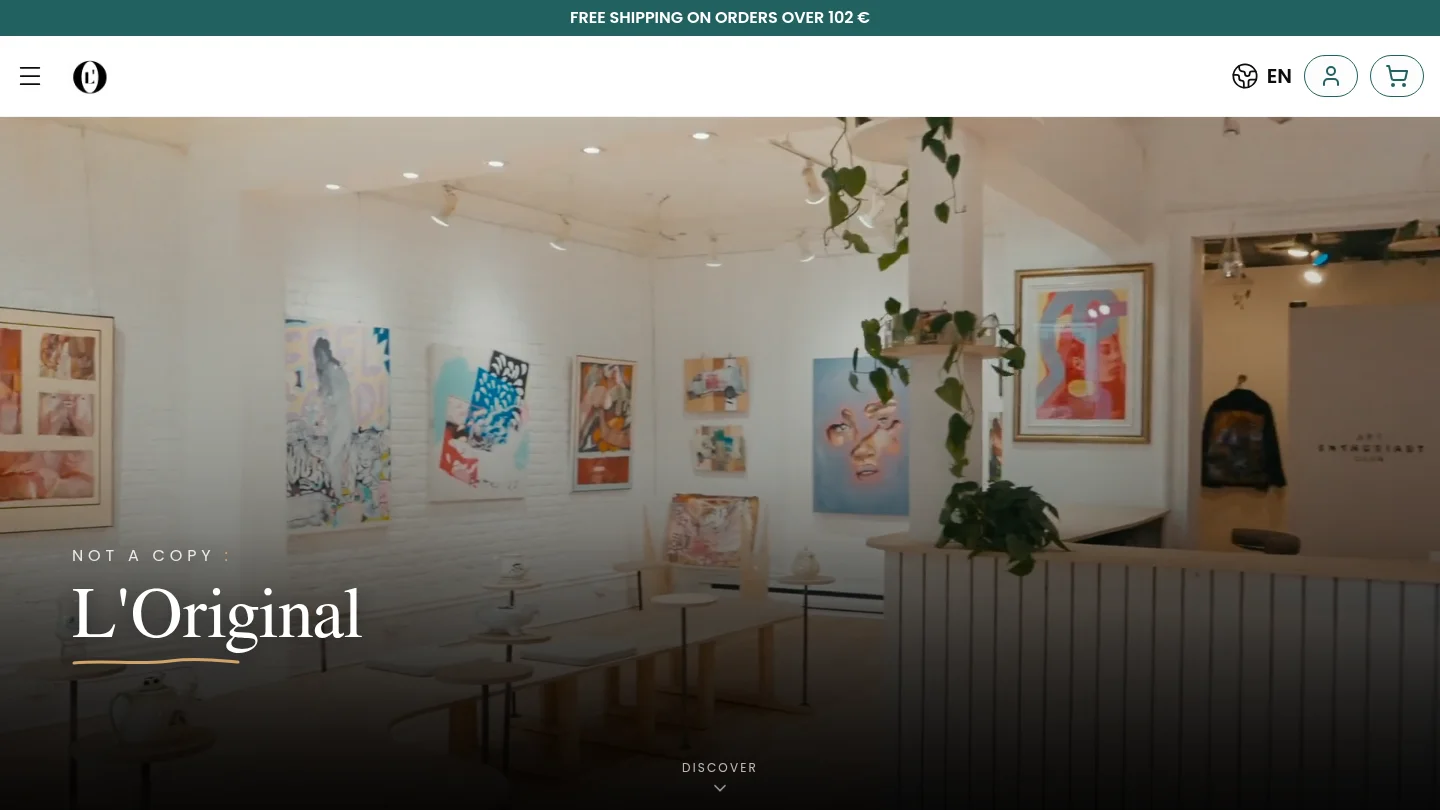
Our free PickArt flow matches you with an artist in about two minutes, with no sign-up needed. From there you can buy an original signed artwork directly, or commission a custom painting or mural delivered in two to six weeks. Every piece is made by hand by one of our 230 professional painters, with end-to-end follow-up from brief to delivery.
Frequently Asked Questions
Is museum quality art always expensive?
Not necessarily. The label refers to materials and craftsmanship, not a price bracket, so archival prints can be affordable while originals cost more. What you're paying for is durability and, with originals, uniqueness and provenance.
What's the difference between museum quality prints and originals?
A print is a reproduction, often archival and beautiful, but produced from a digital file. An original is a one-of-a-kind, artist-made object with its own provenance. Both can be well made; only the original is truly singular.
How do I verify a piece is genuinely archival?
Ask for the specifics: acid-free supports, lightfast pigments, and color-permanence ratings for prints. For originals, request a signed certificate of authenticity and details on the artist. A trustworthy seller provides this without pushback.
Can I commission a museum quality original for my space?
Yes. Through our PickArt matching and custom commission service, you can brief one of our professional painters and receive a made-to-measure original, from a painting to a full mural, typically within two to six weeks.
Does buying original art hold its value over time?
Well-documented originals from represented artists tend to hold value better than mass reproductions. The global art market saw transaction volumes grow even in a softer year, signaling steady demand. Provenance and condition remain the biggest drivers of long-term value.