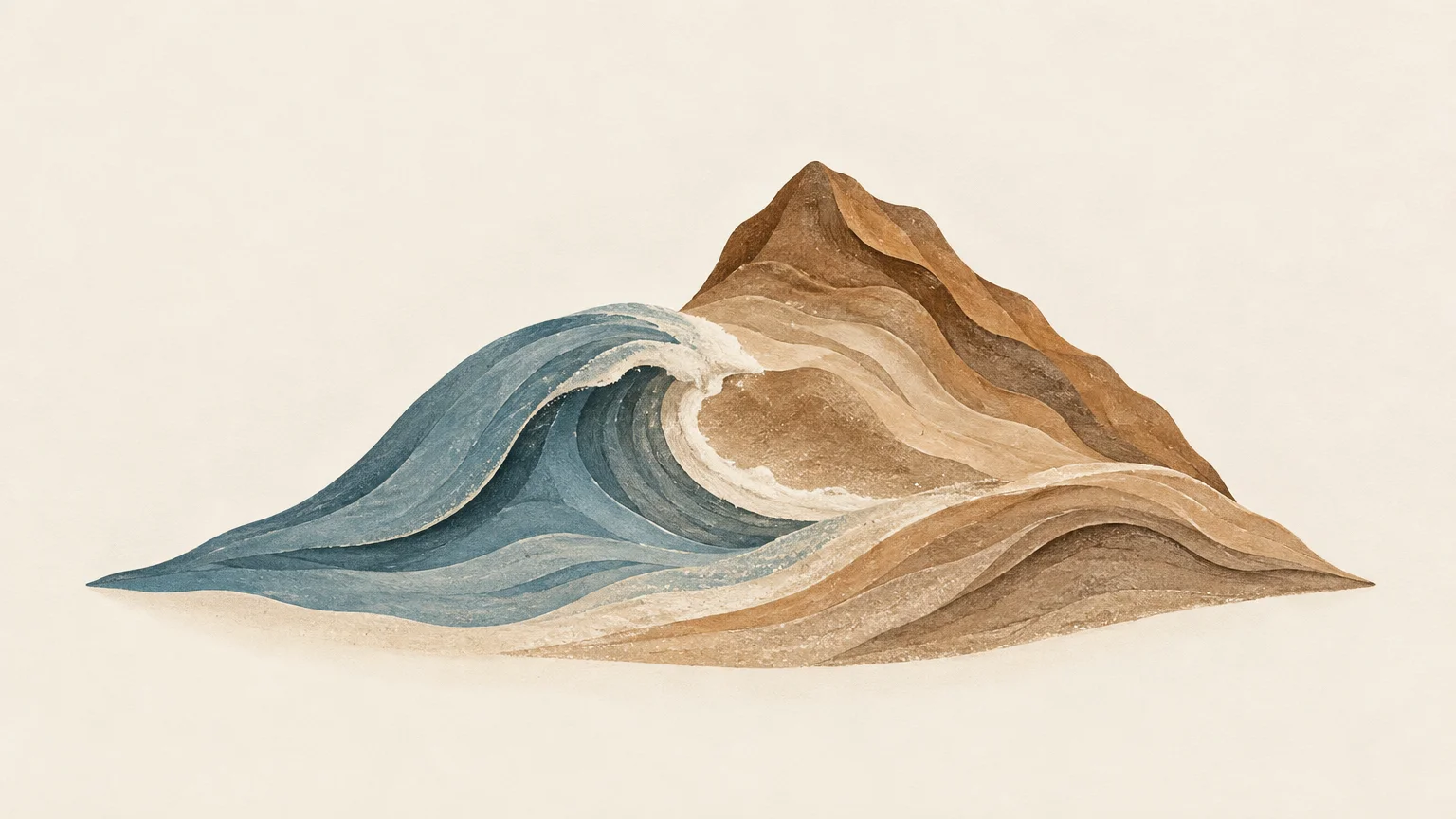

What can a wave, a mountain or a handful of sand suggest when an artist turns them into form? In Jil Joannin’s practice, nature is more than a subject; its movement and materials shape the work itself. If you’re exploring different contemporary practices alongside hers, discover artists on L’Original.
Joannin’s work brings painting and sculptural thinking into conversation, with texture and relief inviting you to look beyond a flat image. Her artist’s official website describes her interest in wind, ocean foam and mountain relief, as well as her use of clay and sand alongside paint.
What defines Jil Joannin’s artistic practice?
Rather than treating landscape as a fixed view, Joannin focuses on natural forces that alter it. Wind moves water; erosion shapes rock; waves leave changing patterns along a shore. These processes offer a way to think about her work as an exploration of nature and movement, not simply a depiction of scenery.
That focus also explains why the work can feel both recognizable and open to interpretation. You may notice an echo of a coastline or mountain, while the actual forms remain suggestive rather than literal. Joannin’s work moves between figuration and abstraction, leaving room for viewers to bring their own associations.
How do clay, sand and paint shape the work?
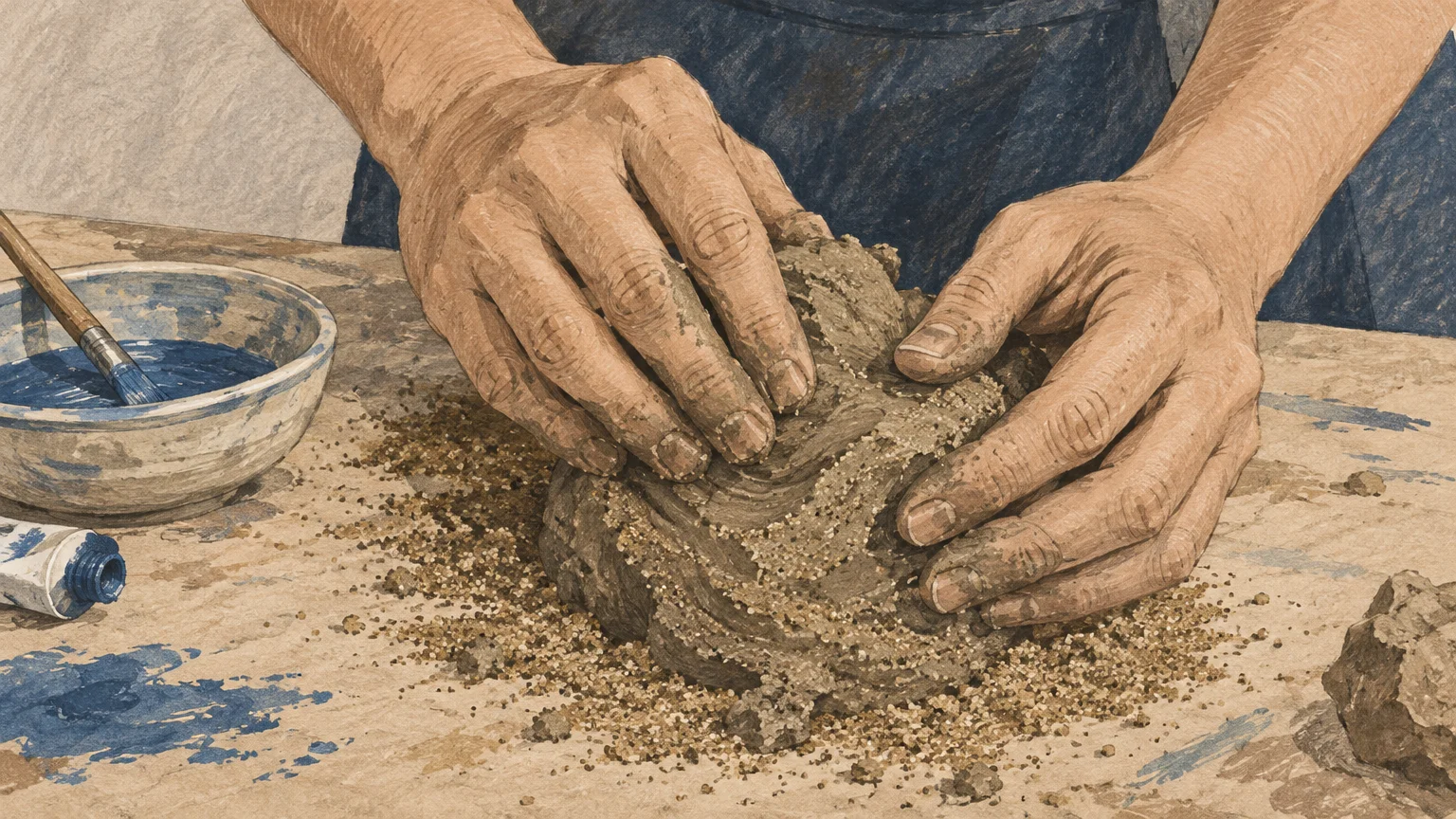
Clay and sand give an artwork physical qualities that paint alone cannot provide. Their grain, resistance and uneven surfaces create texture and relief, making the material part of what you see. Combined with painting, they can suggest movement or the traces of natural processes without reproducing a landscape literally.
When you look at a work, notice how its surface changes with light and viewpoint. Raised areas may cast small shadows, while smoother passages can pull your attention elsewhere. Those details make a difference to the experience of the piece, especially when viewed in person rather than on a screen.
Joannin’s website also presents work across categories that include sculpture, design, lighting and mirrors. That range points to an interest in how forms and materials occupy real space, not only how they appear on a wall.
How can you read the balance between nature and abstraction?
Start with the physical evidence. Look for lines, folds, edges or marks that suggest water, wind or geological change. Then ask whether those details describe a recognizable place or create a more open impression. This simple shift from “What is it?” to “What does its surface do?” helps you read abstract natural forms without forcing a single interpretation.
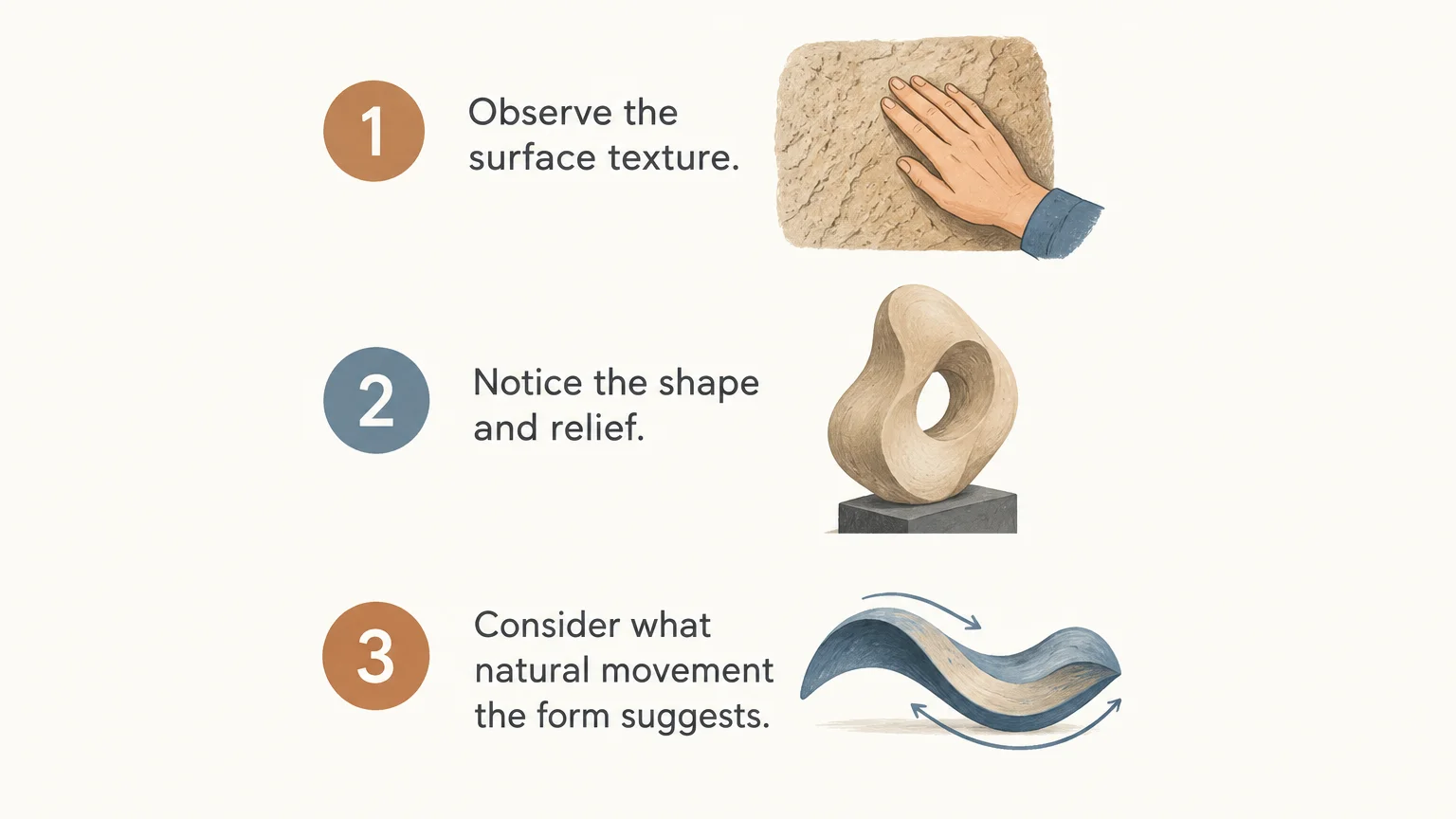
Try that approach with a work that feels ambiguous at first. Its outline might recall a shoreline, but its color and texture could lead you somewhere less literal. The tension between recognition and uncertainty is part of the experience: the work offers cues, then leaves you space to respond.
What should you consider when viewing or collecting this kind of art?
Consider the work’s material, scale and relationship to its surroundings. A textured piece can look different as light shifts, and a sculptural form needs space around it to remain legible. Check dimensions and installation details before choosing a place for a work, especially if its relief or depth is important to how you experience it.
If you’re learning how representation works for artists and galleries, our artist gallery representation guide explains the relationship in practical terms. It can help you distinguish an artist’s creative practice from the services and arrangements that support its presentation.
For a wider view of contemporary work, our catalogue includes one-off paintings and sculptures by living artists. It gives you another way to explore material, format and style without assuming that every artist follows the same approach.
Reading Jil Joannin’s work
Jil Joannin’s practice brings nature, physical materials and changing forms into close dialogue. As you look, pay attention to texture, relief and the point where a familiar landscape becomes abstract. Those details offer a grounded way to experience the work while leaving its meaning open. Nature-led art in clay, sand and paint can invite both close looking and personal interpretation.
Explore original art for your space
If Joannin’s attention to texture and natural forms has you thinking about the art you want around you, look beyond one artist’s practice. Compare different approaches to color, material and scale, and consider what feels right for your room or workplace.
We bring together one-off paintings and sculptures by living artists, with listed dimensions to help you assess a work before choosing it. Browse original paintings and sculptures by living artists online, or visit our two Montreal galleries. Catalogue artworks are packaged for worldwide shipping, with delivery times provided as estimates that may vary.
Frequently Asked Questions
What subjects inspire Jil Joannin?
Her work draws on natural movement, including wind, waves, ocean foam and mountain relief. These references inform both her imagery and interest in material.
What materials does Jil Joannin use?
Her artist website describes the use of clay and sand alongside paint. These materials bring texture and physical relief into the work.
Is her work figurative or abstract?
It sits between figuration and abstraction. Some forms may suggest natural landscapes, while leaving room for individual interpretation.
What should you notice when viewing her work?
Look closely at the surface, edges and changes in relief. Consider how the forms suggest movement without necessarily depicting a specific place.
Where can you explore other living artists?
Our online catalogue presents one-off paintings and sculptures by living artists. You can also visit our Montreal galleries to view works in person.