
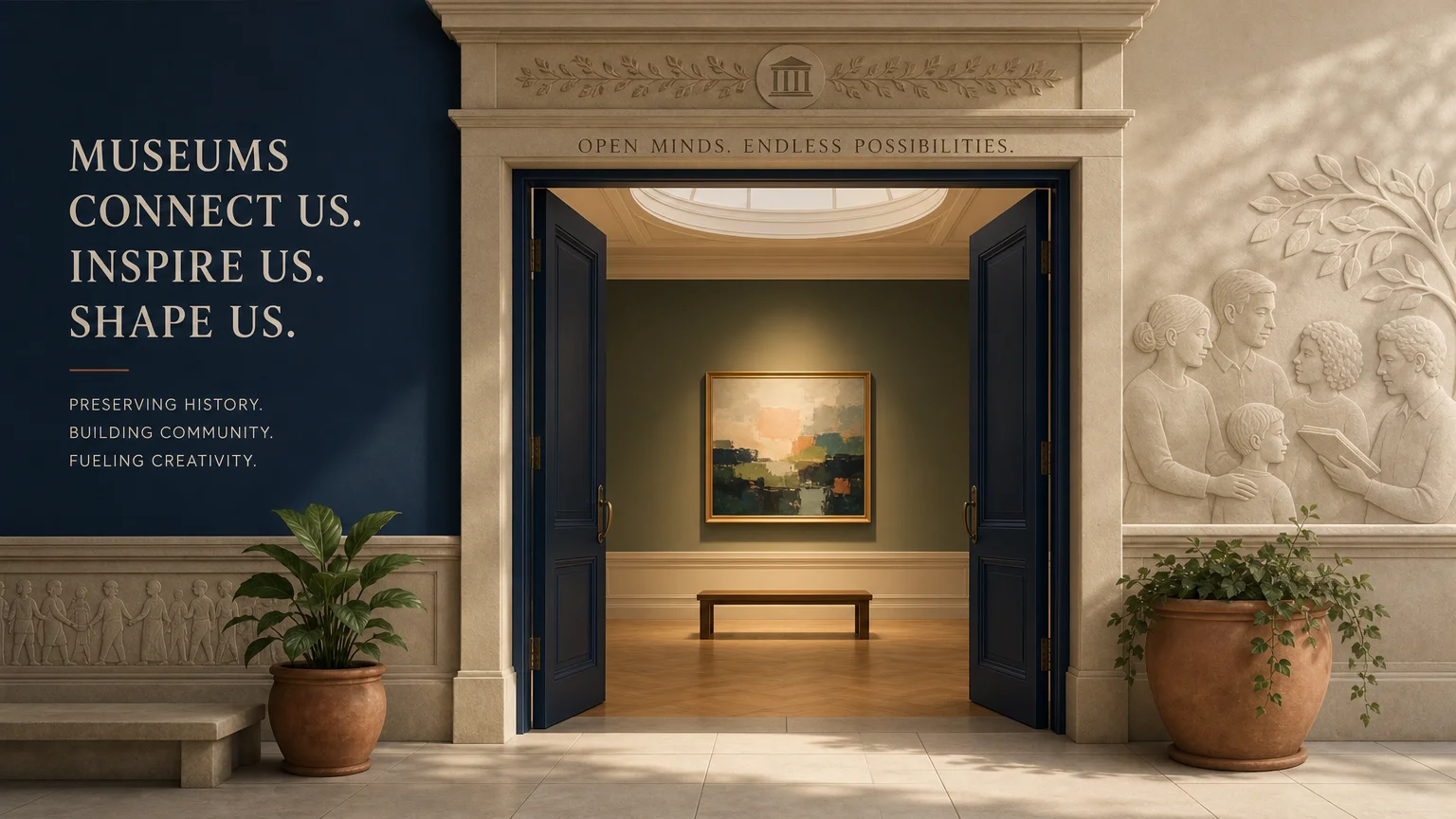

A museum can hold a century of memories, while a gallery can introduce you to an artist who is still shaping the culture around you. When you explore our famous art galleries guide, you see how different spaces create meaning through their collections, architecture, stories, and relationships with visitors.
The importance of museums and art galleries rests on more than beautiful objects. These institutions preserve evidence of human experience, encourage curiosity, give artists a public platform, and help communities discuss difficult subjects with greater perspective. They also create accessible opportunities to slow down, look closely, and form your own response.
Why does preserving art and history still matter?
Without museums, much of the material evidence of human life would be scattered, damaged, or disconnected from its context. A painting, tool, garment, photograph, sculpture, or handwritten document becomes more meaningful when you understand who made it, how it was used, and what was happening around it.
Museums provide that context. They preserve objects, but they also preserve relationships between objects, people, places, and ideas. A historical collection can show how technology changed daily life. An art exhibition can reveal how artists responded to war, migration, inequality, religion, or environmental change. A local museum can help residents understand how their own neighborhood developed.
This work creates cultural memory. It allows you to encounter experiences beyond your own lifetime and community. It also gives future generations a more complete record, especially when institutions make space for stories that were previously ignored or underrepresented.
Preservation is not the same as freezing history. Curators continue to reassess collections, update labels, add new research, and invite different communities to interpret familiar objects. That process matters because every generation asks new questions of the past. You can explore this evolving relationship through our history of art and galleries.
Art galleries contribute to this work in a different way. They often focus more closely on individual artists, movements, or current practices. By presenting work in a deliberate setting, galleries help visitors notice technique, material, scale, and intention. They create a bridge between the artist’s ideas and the viewer’s experience.
How do museums turn visits into participation?
A visit is not only a moment of looking. It can become a conversation, a lesson, a personal memory, or a new question that stays with you after you leave.
Official data from England shows the continuing reach of these institutions. During the 2025/26 reporting period, 45% of people aged 16 and over engaged with a museum or gallery at least once, while 42% engaged physically and 15% engaged digitally. The 2025/26 engagement survey also recorded a gradual rise in digital participation since 2021/22.
These figures suggest that museums and galleries serve several types of visitors. Some people want a quiet encounter with an artwork. Others prefer guided tours, family activities, lectures, workshops, or interactive displays. Digital visitors may research a collection, take a virtual tour, or prepare for an in-person visit.
Good interpretation helps each person participate at an appropriate level. Clear labels support first-time visitors without reducing complexity for experienced audiences. Audio guides, tactile materials, accessible seating, captions, and sensory-friendly sessions can make the experience more welcoming.
Education is another major part of this participation. A school visit can turn an abstract lesson into a direct encounter with evidence. A student may remember a historical event more clearly after seeing an object connected to it. An adult workshop can transform passive interest into practical knowledge, whether the subject is drawing, conservation, photography, architecture, or local history.
Museums also support informal learning. You don’t need a degree in art history to form an opinion about a painting. You only need time, attention, and permission to ask questions. That openness is one reason these institutions remain valuable across generations.
Why do galleries make culture personal and social?
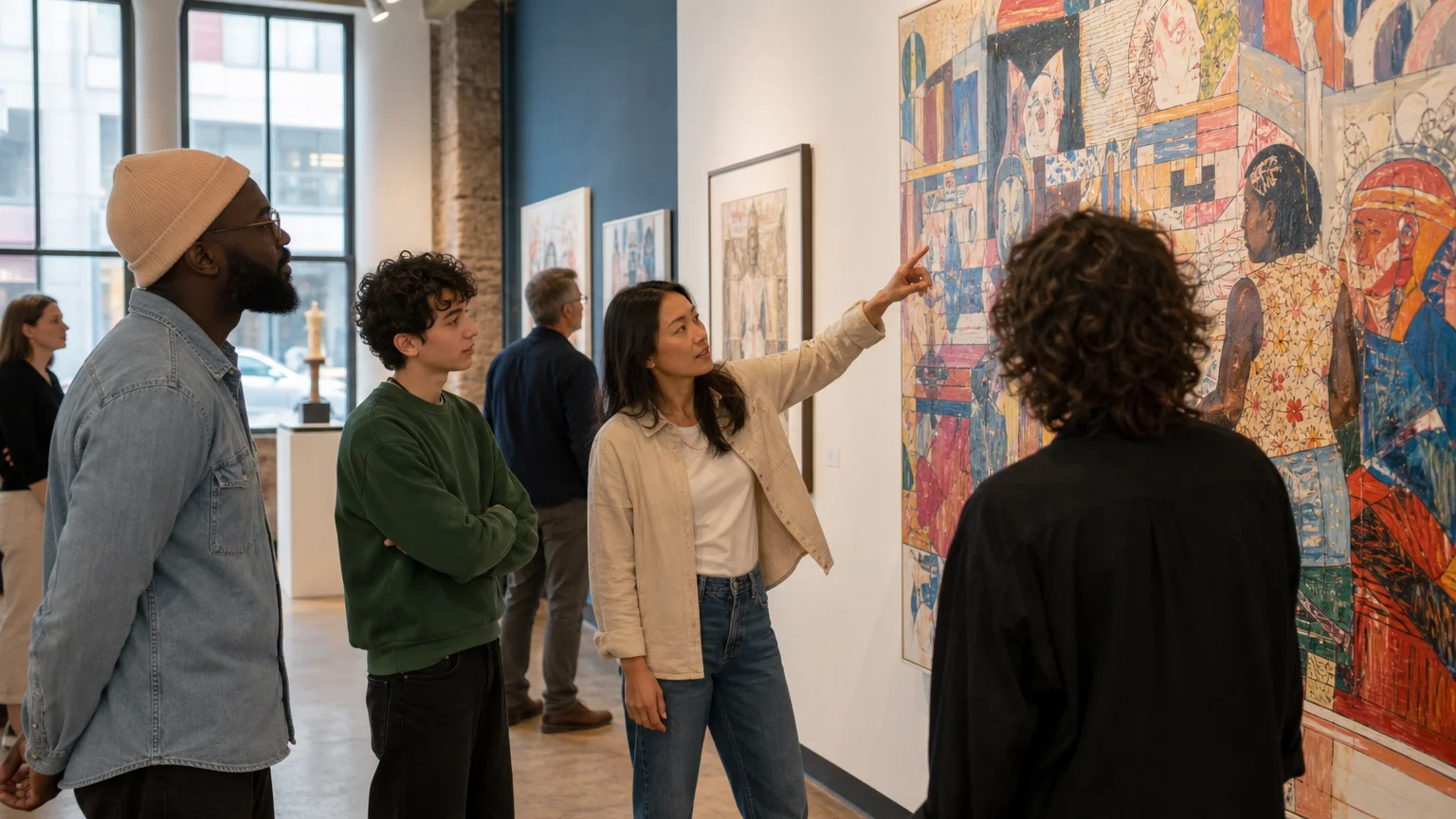
Imagine entering a gallery without knowing the artist’s name or the accepted interpretation. You notice the colors first. Then you see the brushwork, the scale, or the tension between two figures. Another visitor reacts differently, and the conversation begins.
That exchange illustrates how galleries build public access to ideas. They create a setting where people can encounter unfamiliar perspectives without needing to agree immediately. A powerful exhibition can challenge assumptions about identity, history, beauty, or belonging while still leaving room for personal reflection.
Galleries also make culture more personal by connecting viewers with artists. A work can feel different when you learn about the maker’s process, materials, community, or motivation. Artist talks, studio visits, openings, and workshops strengthen this connection and make art feel less distant.
This is especially important for living artists. Their work reflects the concerns of the present, and their careers depend on visibility, fair opportunities, and meaningful access to audiences. Galleries can provide professional presentation, context, and a route toward collectors who may not discover an artist independently.
Accessibility matters here too. Art should not be limited to people who already know the right vocabulary or feel comfortable in formal cultural spaces. Our art democratization perspective reflects the broader idea that original art can become more approachable when discovery, interpretation, and buying support are designed around real people.
Community galleries often have a particularly direct role. They can highlight local stories, offer affordable programs, and create space for emerging voices. Their exhibitions may not attract international headlines, but they can have a lasting impact on the people who live nearby.
When galleries welcome different viewpoints, they become social spaces rather than silent rooms. Visitors can meet across age groups, cultural backgrounds, and levels of experience. Art becomes a starting point for conversation, not an object reserved for specialists.
What economic and creative value do these institutions create?
The economic case is real, but it should not be the only reason museums and galleries receive support. Their financial impact reinforces their cultural mission rather than replacing it.
The United States Institute of Museum and Library Services published its first National Museum Survey in 2026. The survey reported that American museums host more than one billion visits each year, support nearly half a million jobs, and generate billions of dollars in economic activity. You can review the findings in the National Museum Survey release.
Visitors spend money beyond admission. They may use public transportation, stay in hotels, eat at nearby restaurants, buy books, purchase artwork, or attend related cultural events. A strong museum or gallery district can increase foot traffic and encourage other creative businesses to open nearby.
The creative ecosystem is broader than visitor spending. Museums employ curators, conservators, educators, designers, technicians, researchers, fundraisers, administrators, and security professionals. Galleries support artists, framers, installers, photographers, writers, art handlers, and independent consultants.
Artists benefit when institutions create a clear path from discovery to sustained practice. A well-presented exhibition can lead to sales, commissions, partnerships, press coverage, teaching opportunities, or future invitations. For buyers, the gallery provides useful context around authenticity, materials, dimensions, provenance, and care.
That guidance can be valuable when you want to purchase original work but don’t know where to begin. Our art gallery guide explains how to browse, compare, and approach collecting with greater confidence. We also connect online discovery with physical gallery experiences, original works by living artists, and custom art projects.
The economic role of museums and galleries should still be considered carefully. Visitor totals do not measure every benefit, and financial activity should not determine which stories deserve to be preserved. A small community exhibition may have limited commercial value while offering deep educational or social importance.
How can you support museums and galleries responsibly?
A useful reminder is that museums need more than enthusiastic visitors. They need stable buildings, trained staff, careful conservation, inclusive programming, and sustainable funding.
A 2026 report from the U.S. Government Accountability Office found that about 85% of museums in the United States reported a backlog of deferred maintenance and repair. The report also found that about 73% reported at least one building issue with a potential health or safety concern. These findings appear in the GAO museum facilities report.
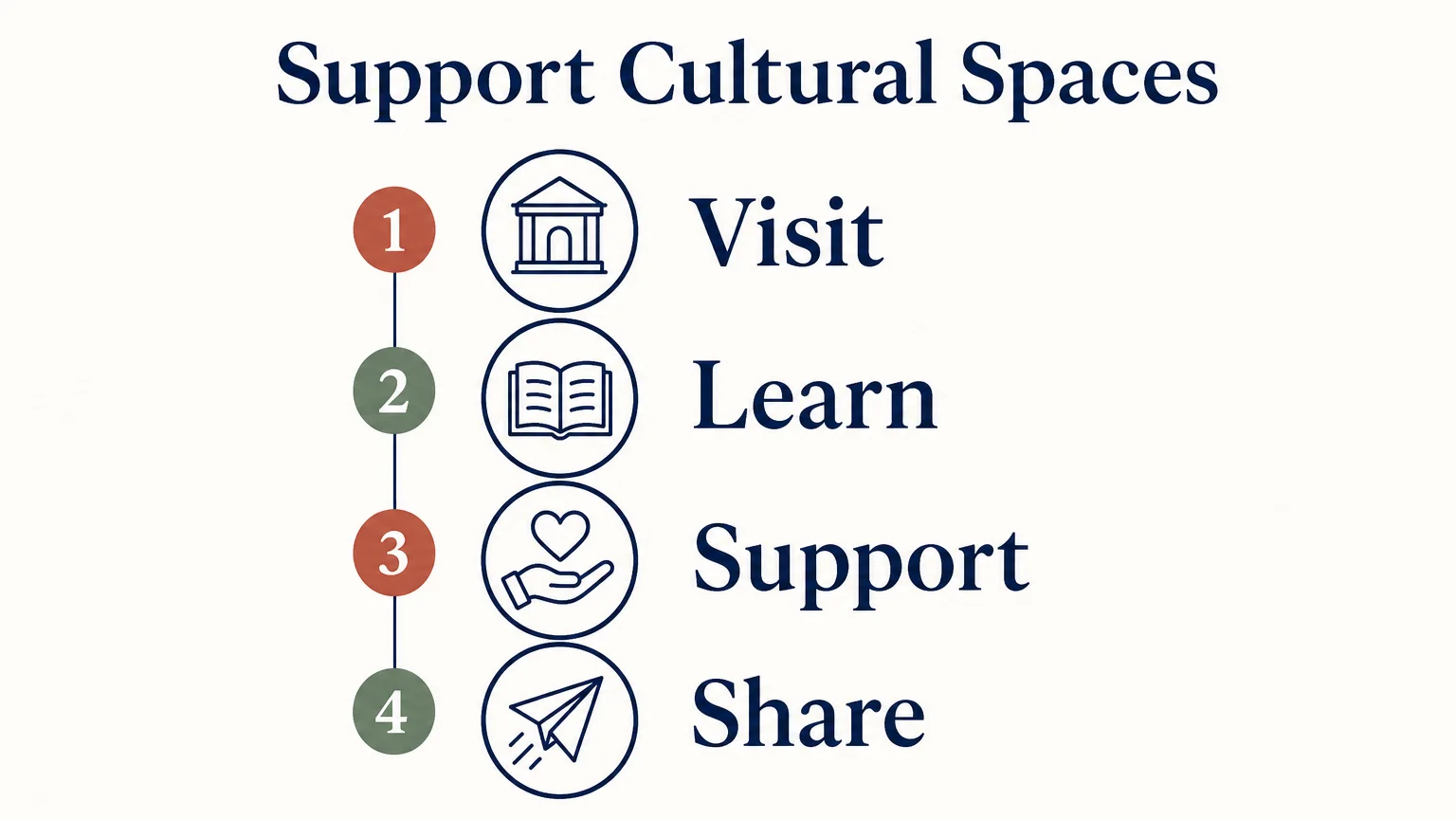
Supporting a museum or gallery can therefore take several forms. Visiting helps institutions demonstrate public demand. Buying from an artist supports creative work directly. Memberships and donations provide more predictable income. Volunteering contributes time and skills that smaller organizations may not be able to hire.
You can also support institutions by paying attention to how they operate. Ask whether exhibitions include diverse artists and perspectives. Look for accessible facilities and clear visitor information. Consider whether the organization explains conservation, provenance, artist compensation, and cultural ownership with care.
Responsible support also means accepting that cultural work can be complex. Museums may face difficult questions about restitution, colonial collecting practices, environmental costs, public funding, or representation. Galleries may need to balance artist support, fair pricing, commercial sustainability, and public access.
You don’t have to resolve every issue before entering a museum or gallery. You can visit with curiosity, ask respectful questions, and support organizations that show a commitment to learning. Your attention can be meaningful, especially when it becomes a repeated relationship rather than a one-time visit.
Why museums and galleries remain essential
The importance of museums and art galleries comes from the range of work they do at once. They preserve cultural memory, make knowledge tangible, support artists, strengthen communities, and create opportunities for reflection. Their future depends on access, responsible care, meaningful interpretation, and sustained public involvement. When you visit, learn, question, or support an institution, you help keep culture active rather than simply preserved.
Take action with L'Original
If you want to bring original art into your home, workplace, or next creative project, the right starting point is a space that combines human guidance with accessible discovery. You should be able to explore artists, compare styles, ask practical questions, and choose work that feels connected to your surroundings.
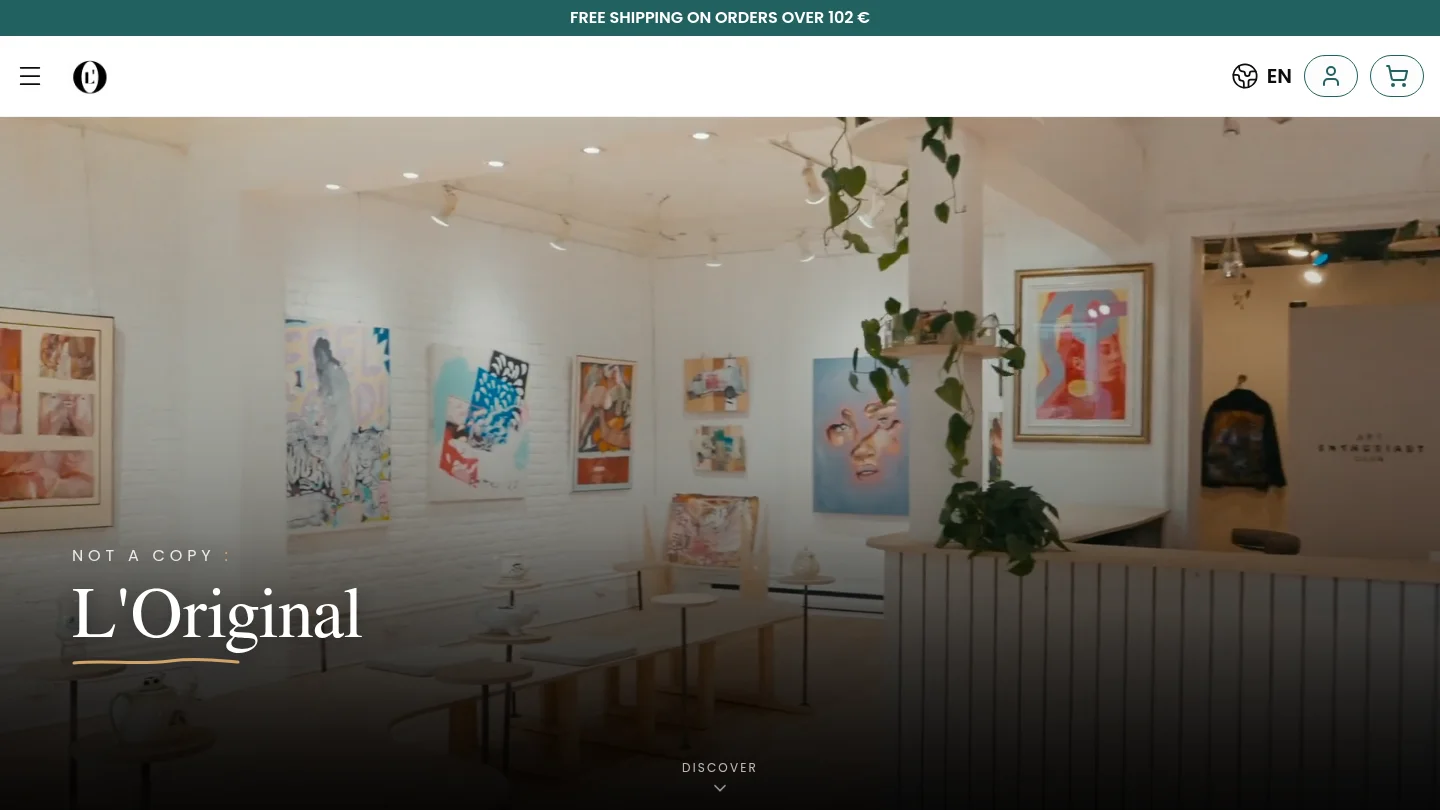
At L'Original, we connect you with original paintings, sculptures, living artists, and custom artwork through online discovery and physical galleries in Montreal. Our team can help you explore available works or discuss a project shaped around your space and intentions. Explore our art galleries and find a more personal way to experience original art.
Frequently Asked Questions
What is the importance of museums and art galleries?
They preserve culture, support learning, give artists visibility, and create spaces for dialogue. They also help communities connect with local history and broader human experiences.
How do museums support education?
Museums turn information into direct experience through objects, exhibitions, workshops, talks, and guided programs. They support both formal school learning and lifelong personal discovery.
Why are art galleries important to artists?
Galleries can provide presentation, audience access, professional context, and opportunities for sales or commissions. They also help visitors understand an artist’s process and intentions.
Can digital museum experiences replace visiting in person?
Digital collections can expand access and help you research before or after a visit. They add convenience, but they don’t fully reproduce the physical scale, material presence, or shared atmosphere of an in-person experience.
How can I support a museum or gallery?
You can visit regularly, buy original work, join a membership, donate, volunteer, or share educational programs with others. At L'Original, our online catalogue and Montreal galleries offer another way to discover and support original works by living artists.