
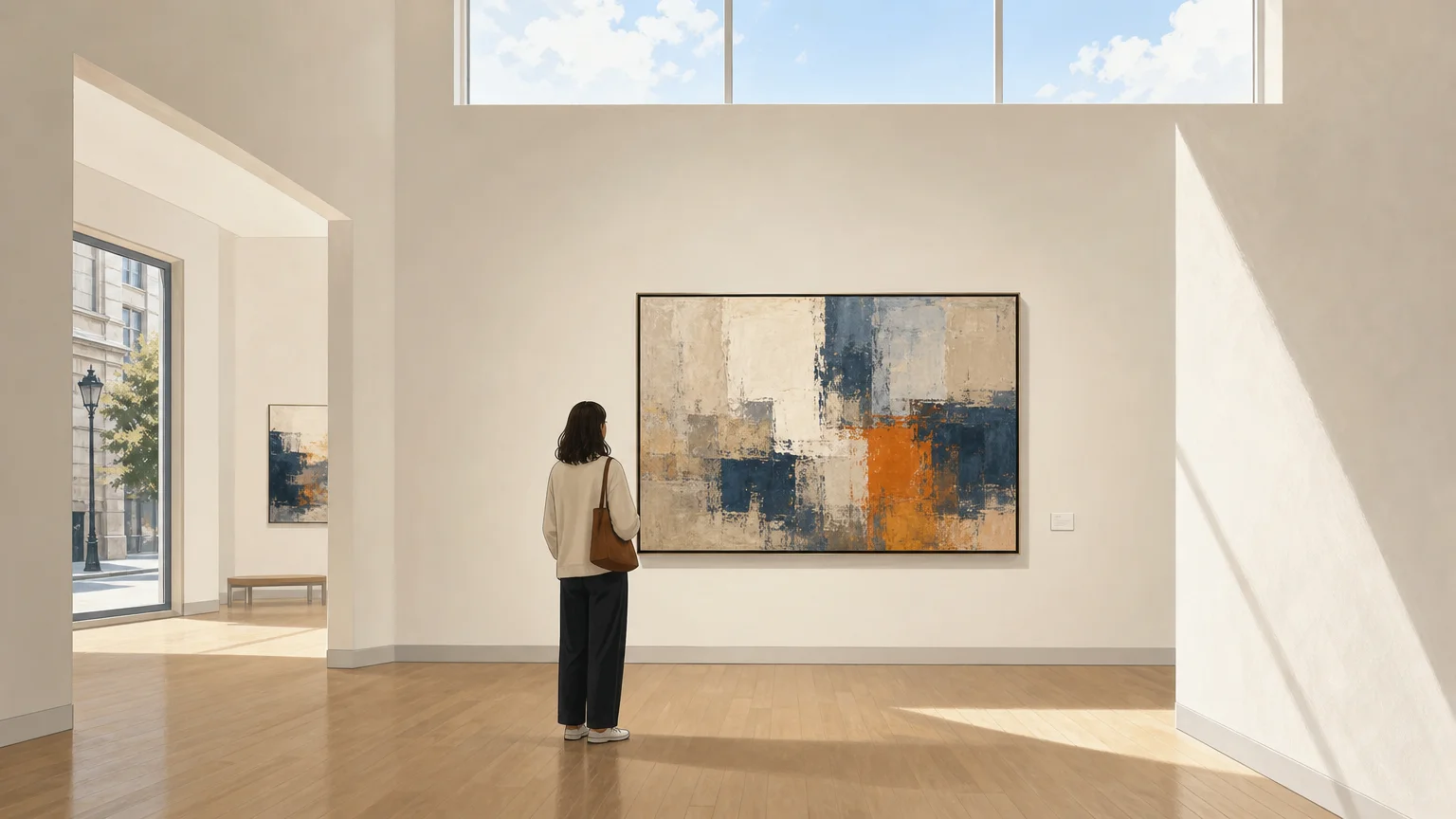

Why does an art gallery matter when images are available online? A gallery gives artists context, audiences time, and original works a physical presence. Our perspective on the importance of museums and art galleries starts with that shared space. The importance of art galleries is not limited to sales. It includes visibility, interpretation, discovery, and the chance to encounter ideas with other people.
The scale of that role is visible in recent participation data. In England, 45% of people aged 16 and over engaged with museums or galleries during 2025/26, including 42% through physical visits and 15% through digital activity, according to 2025/26 engagement figures. That is not a global rate, but it shows how galleries and museums remain part of everyday cultural life.
Why do art galleries matter to artists?
For artists, a gallery can turn a private practice into a public conversation. It offers a setting where artworks are selected, presented, interpreted, and encountered by people beyond the artist’s immediate circle. That visibility can lead to sales, commissions, professional relationships, and new audiences.
This role is especially important for living artists who may not have the resources to manage every part of their careers alone. A gallery can help with curation, presentation, pricing, documentation, communication, and the practical work of connecting art with collectors. It can also give an artist’s work a coherent context instead of presenting isolated images without explanation.
The artist support function is part of a wider cultural ecosystem. The National Endowment for the Arts tracks artists and cultural workers alongside participation, cultural assets, and arts education through its national arts statistics hub. This structure reflects an important reality: artists, audiences, institutions, and educational spaces depend on one another.
We apply this principle by representing living artists and connecting them with collectors, individual buyers, businesses, designers, and commissioning clients. Our model combines physical galleries with online catalogues, so artists can reach people who may live far from Montreal while still benefiting from an in-person gallery environment.
How do galleries make art more accessible?
Accessibility begins when people feel welcome. You should not need specialist vocabulary, formal training, or a large budget to enter a gallery and look at art. Clear information, approachable staff, free or low-cost access, and online options can all reduce barriers.
Physical galleries offer one kind of access, while digital catalogues offer another. Someone may want to see a work in person before buying it. Another person may live in a different country, need to compare dimensions online, or prefer to discover art privately before visiting a gallery.
We support both paths. Our two Montreal galleries offer free entry and do not require an appointment, while our online catalogue allows people to explore original paintings and sculptures from anywhere. Our art gallery guide also explains how to browse, evaluate, and buy art without assuming prior knowledge.
Accessibility also means offering different ways to discover personal taste. Some people know exactly what they want. Others recognize a feeling, color palette, or atmosphere before they can describe it. Tools such as PickArt help users explore visual preferences without needing to name an art movement or explain their taste in technical language.
Why is seeing original art different from seeing it online?
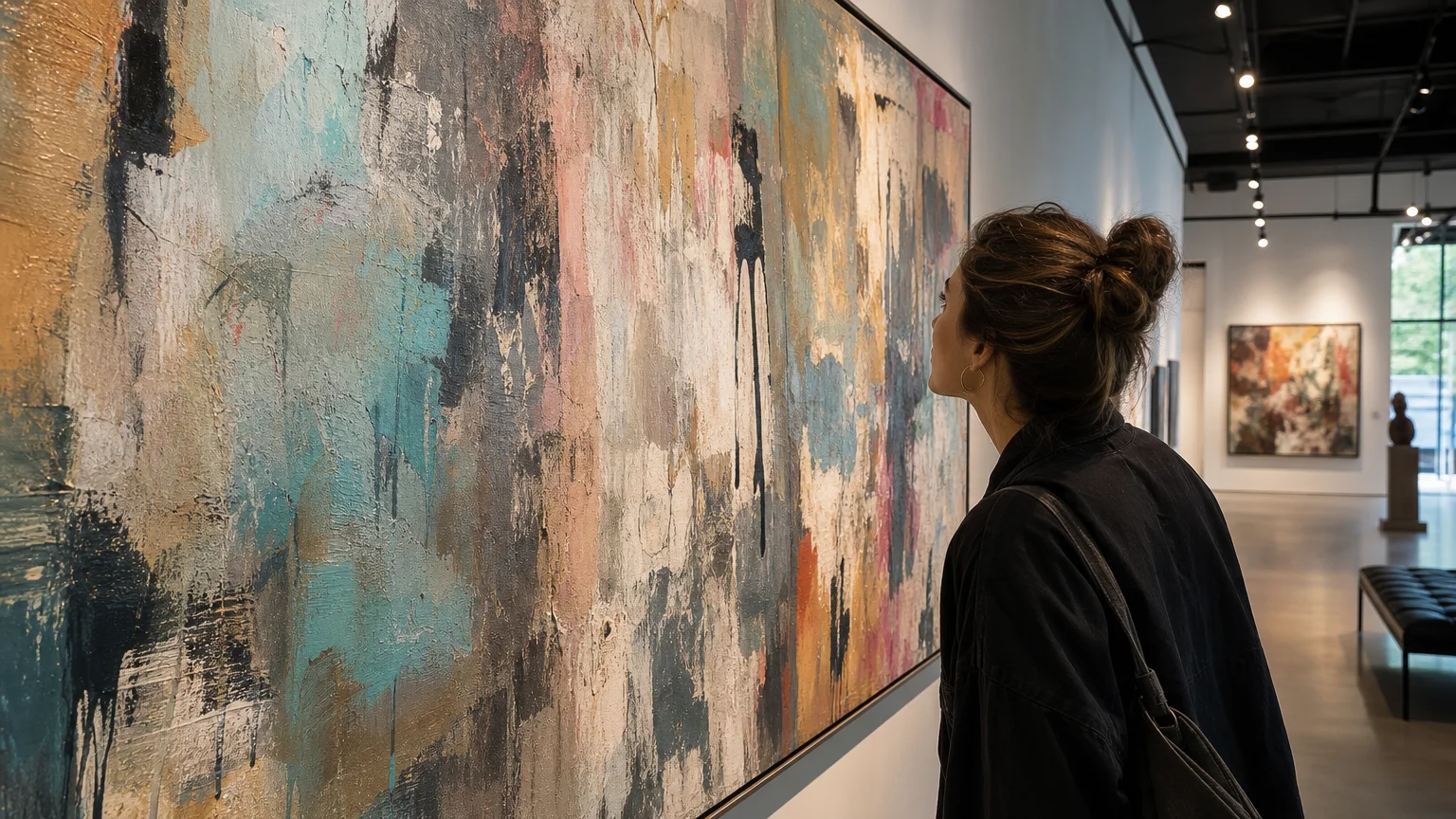
A screen can show an artwork, but it cannot reproduce every part of the encounter. Scale changes how a painting feels in a room. Texture becomes visible from different distances. A sculpture occupies space, casts shadows, and changes as you move around it.
This direct experience is one of the strongest reasons galleries remain relevant. You may notice brushwork that disappears in a digital image, discover that a work is much larger or smaller than expected, or understand how the artwork interacts with the surrounding space.
Seeing art in person also creates time for attention. Online browsing encourages comparison and quick decisions. A gallery visit can slow that process down. You can stand with one work, return to it later, and notice how your response changes.
That does not make digital access less valuable. Online tools can introduce you to artists, help you compare works, and make art available across borders. The strongest experience often combines both formats: digital discovery followed by physical viewing when possible.
How do galleries support education and visual literacy?
Art galleries are informal learning environments. They teach through objects, display choices, wall texts, conversations, workshops, and questions. You can learn about materials, history, identity, technique, symbolism, and the choices artists make without sitting in a traditional classroom.
Good interpretation does not tell you exactly what to think. Instead, it gives you enough context to form a more informed response. You might learn when a work was made, what materials were used, which social questions shaped it, or how it relates to other artists.
This develops visual literacy, the ability to look carefully and interpret images, objects, spaces, and symbols. That skill matters beyond art. It helps you evaluate visual messages in advertising, media, design, architecture, and public life.
Galleries can also support different learning styles. A guided tour may help someone who enjoys conversation. A quiet visit may suit someone who prefers independent reflection. Artist talks, demonstrations, digital resources, and family programs can make the same exhibition meaningful to different audiences.
What role do art galleries play in community life?
A gallery can become a meeting place for a neighborhood, city, or cultural community. Openings, talks, workshops, and exhibitions bring people together around ideas they may not discuss elsewhere. These events create opportunities for conversation between artists, residents, students, collectors, and visitors.
Galleries also help preserve cultural memory. They can document local stories, present regional artists, and give visibility to perspectives that may be missing from larger institutions. When a gallery exhibits artists connected to a place, it contributes to how that place understands itself.
The broader museum field shows the scale of this cultural infrastructure. In September 2026, the Institute of Museum and Library Services published a national survey stating that museums in the United States host more than one billion visits each year, support nearly half a million jobs, and generate billions of dollars in economic activity, as described in its 2026 national museum survey. These figures cover museums broadly, not art galleries alone, but they show why cultural spaces matter beyond their walls.
We contribute to this local and international connection by focusing on living artists, original one-off works, and direct relationships with collectors and commissioning clients. Our Montreal galleries provide an in-person point of connection, while our online reach allows people elsewhere to discover the same creative community.
Can visiting an art gallery support wellbeing?
A gallery visit is not a replacement for medical or psychological care. Still, it can provide a useful pause from routine, notifications, and crowded environments. Looking carefully at art may create space for curiosity, emotional response, and quiet reflection.
Recent research adds useful nuance. A 2026 study of 363 adults who spent 60 minutes in three Seattle art museums found that participants felt significantly more inspired and less irritable and nervous afterward. The researchers also found that the effects varied according to personal factors, and they called for more research into the wellbeing impact of museum visits, as reported in the 2026 museum wellbeing study.
This suggests that galleries may support wellbeing through several connected experiences. You may enjoy the artwork, focus your attention, share the visit with someone, or simply spend time in a calm environment. The benefit does not have to be dramatic to be meaningful.
Art can also help you reflect on difficult subjects. An exhibition may introduce experiences different from your own, encourage empathy, or make complex social questions easier to approach. That is another reason the importance of art galleries extends beyond decoration.
How can you make a gallery visit more meaningful?
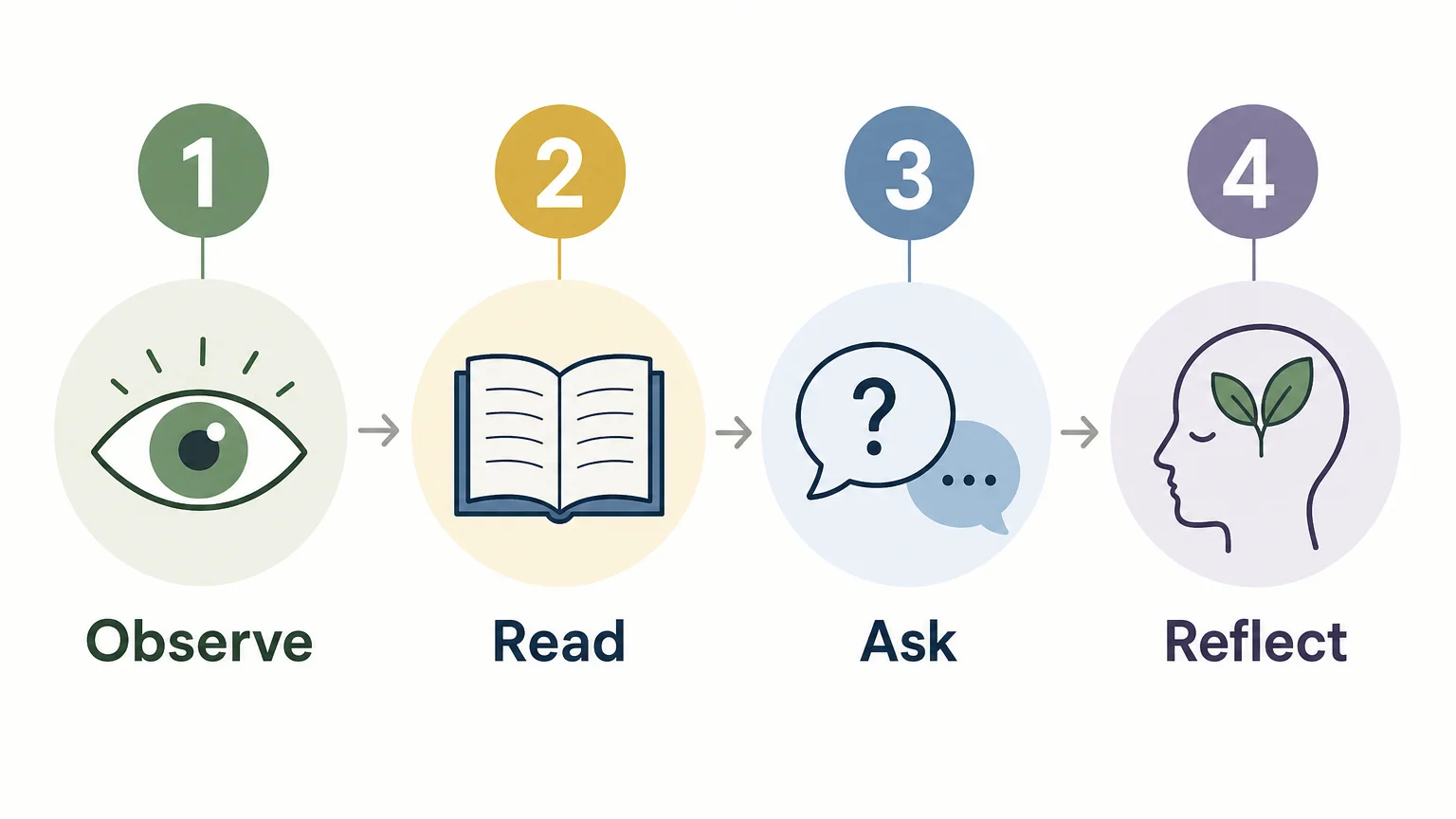
You do not need an expert plan. A little intention can help you move from simply looking to actively engaging.
- Choose one idea before you arrive, such as color, identity, materials, or local history.
- Spend more time with fewer works instead of rushing through every room.
- Look first, then read the label, so you can compare your own response with the artwork’s context.
- Notice scale, texture, light, sound, and the way the work changes from different positions.
- Talk with someone else, even when your interpretations are different.
If you are visiting a large institution, choose one room or exhibition rather than trying to see everything. Our guide to famous art galleries can help you think about how different spaces shape the way audiences encounter art.
You can also ask gallery staff questions. A good question might be, “What should I notice about this work?” or “How was this exhibition organized?” You are not expected to know the answer before you begin.
What does the importance of art galleries mean for buyers?
For buyers, galleries provide more than a place to find attractive objects. They can help you understand an artist’s practice, compare dimensions and materials, ask about authenticity, and consider how a work might live in your home or workplace.
A gallery also gives you a chance to think about why you want the piece. You may be responding to its colors, its story, its atmosphere, or the artist’s way of seeing. That personal connection often matters as much as the practical details of price, framing, shipping, and installation.
We make this process available through original paintings and sculptures by living artists, online catalogues, artist pages, and custom commissions. If an existing work does not fit your space or intention, we can also connect you with an artist to develop a painting, sculpture, or mural from an approved brief.
The result is a more personal relationship with art. You are not only filling a wall. You are choosing an object that can shape the atmosphere of a room, carry a memory, or express something about the people and place around it.
Why art galleries continue to matter
The importance of art galleries lies in their ability to connect artists, original works, and audiences in ways that online images alone cannot fully replace. They support creative careers, expand cultural access, encourage learning, preserve local stories, and create space for attention, conversation, and reflection. When you visit a gallery, you are not simply looking at art. You are participating in the cultural life that allows art to be made, shared, and remembered.
Find Original Art That Feels Personal
If you want to move from learning about galleries to experiencing original art, start with the kind of work that speaks to your space, taste, and story.
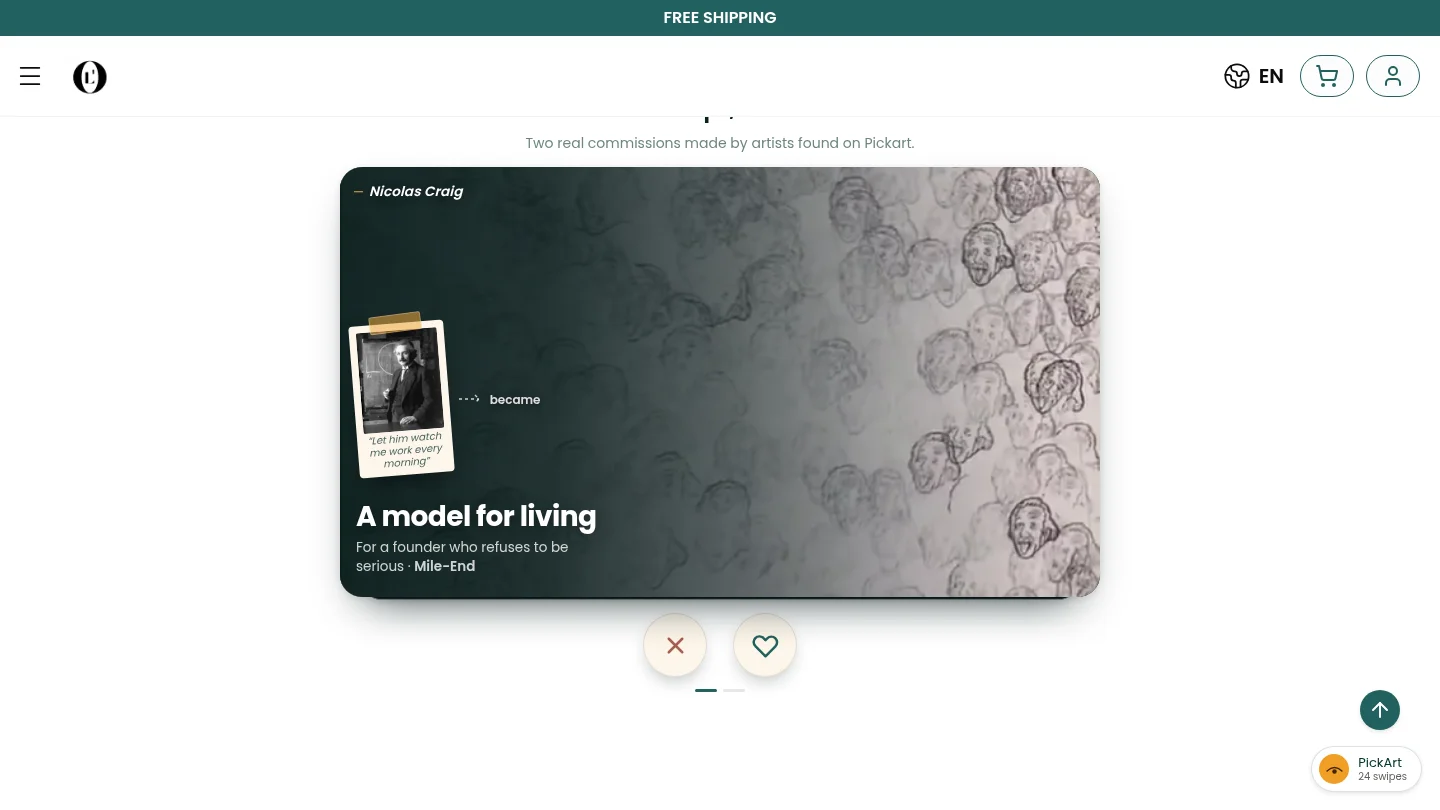
We connect you with living artists through online discovery, two Montreal galleries, and original paintings and sculptures available for collectors and individual buyers. You can browse original paintings and sculptures, explore artist catalogues, or begin a custom artwork conversation.
Frequently Asked Questions
What is the main importance of an art gallery?
An art gallery supports artists while giving audiences access to original works, new ideas, and cultural experiences. It can also provide education, community connection, and opportunities to discover art in person.
Why should you visit an art gallery instead of viewing art online?
Seeing art in person reveals scale, texture, material, and spatial relationships that screens may not show accurately. A physical visit also gives you time to focus and respond without constant digital distractions.
Do you need art knowledge to visit a gallery?
No. Curiosity is enough, and there is no single correct response to an artwork. You can look closely, read the available context, ask questions, and decide what interests you.
How do art galleries help emerging artists?
Galleries can provide exhibition opportunities, visibility, professional presentation, collector connections, and practical support. These activities help artists reach audiences and develop sustainable creative careers, although no gallery can guarantee sales.
Can L'Original help me find art if I am unsure what I like?
Yes. Our PickArt discovery experience helps you explore visual preferences without needing specialist terminology, while our artist catalogues and consultations provide additional ways to find original paintings and sculptures.