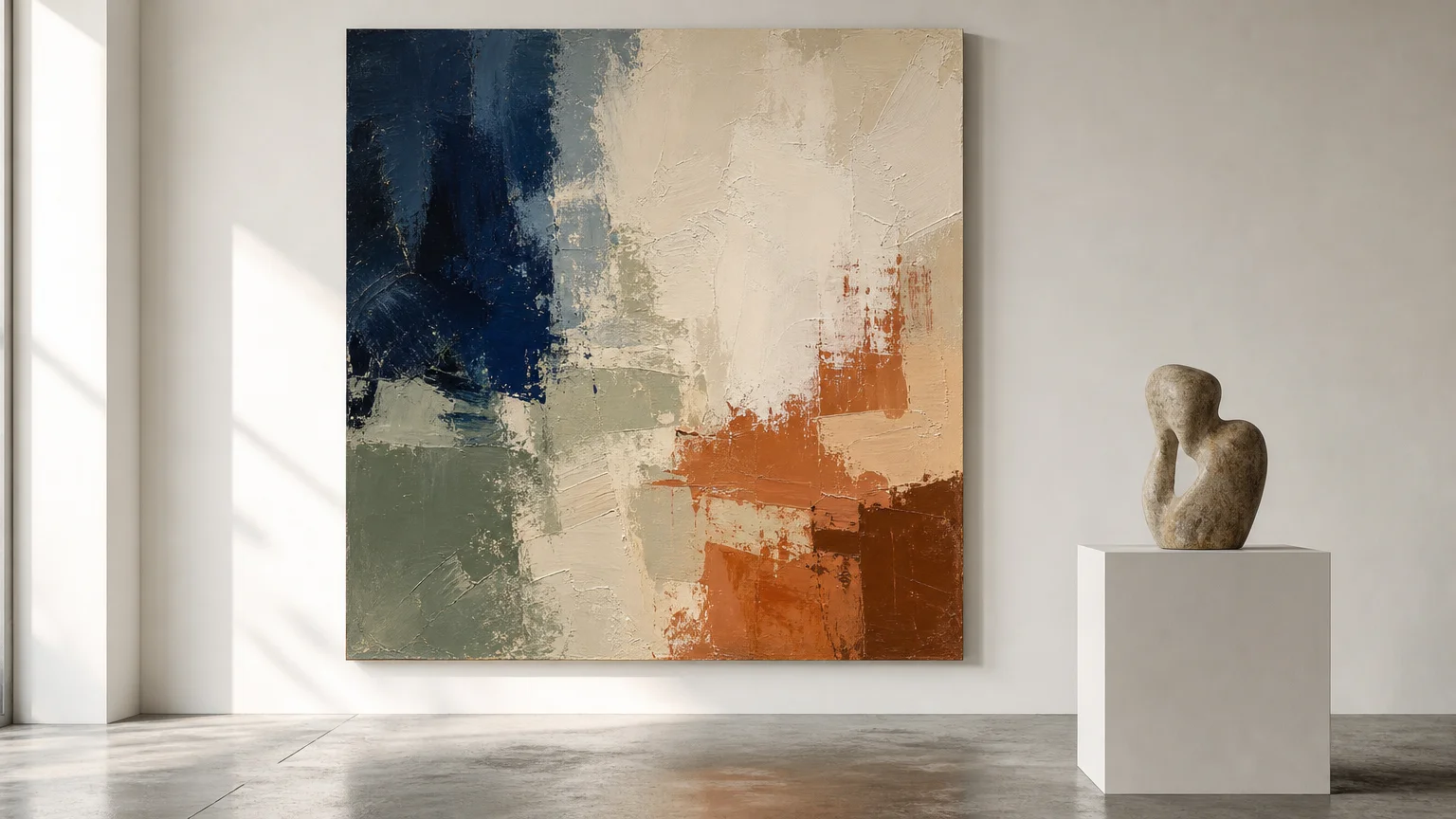

If you want a work that feels personal rather than mass-produced, start with original wall art created by a living artist. The strongest choices for 2026 are not defined by price alone. They offer a distinctive point of view, a clear material language, and enough presence to shape the room around them.
The shortlist below combines a practical buying route with artists receiving notable attention in the 2026 contemporary art conversation. It is not an investment guarantee or a claim that every artist has work available at every moment. Before buying, confirm current availability, dimensions, price, condition, documentation, framing, and international shipping terms.
What should the best original art of 2026 offer?
The strongest choices balance originality, artistic relevance, medium diversity, and purchase practicality. A painting may be the right choice for a home, while a sculpture may better suit a collector seeking physical presence. A mural or large installation can transform a business space, but it requires more planning than a ready-to-hang work.
| Rank | Name | Best for | Key differentiator |
|---|---|---|---|
| 1 | L'Original | International buyers seeking guidance | Living artists, gallery support, PickArt, and custom work |
| 2 | Diambe B. | Material-led painting and sculpture | Organic materials, plant dyes, and bronze forms |
| 3 | Gabriel Chaile | Sculptural storytelling | Clay and adobe forms connected to ancestry and care |
| 4 | Seba Calfuqueo | Identity and environmental themes | Painting, ceramics, video, and performance |
| 5 | Tony Lewis | Graphic, language-driven art | Large-scale graphite drawings and typographic ideas |
| 6 | Nat Faulkner | Experimental photography | Photography treated as a physical, chemical process |
| 7 | Klára Hosnedlová | Immersive mixed-media sculpture | Textiles, glass, metal, sandstone, and installation |
1. L'Original
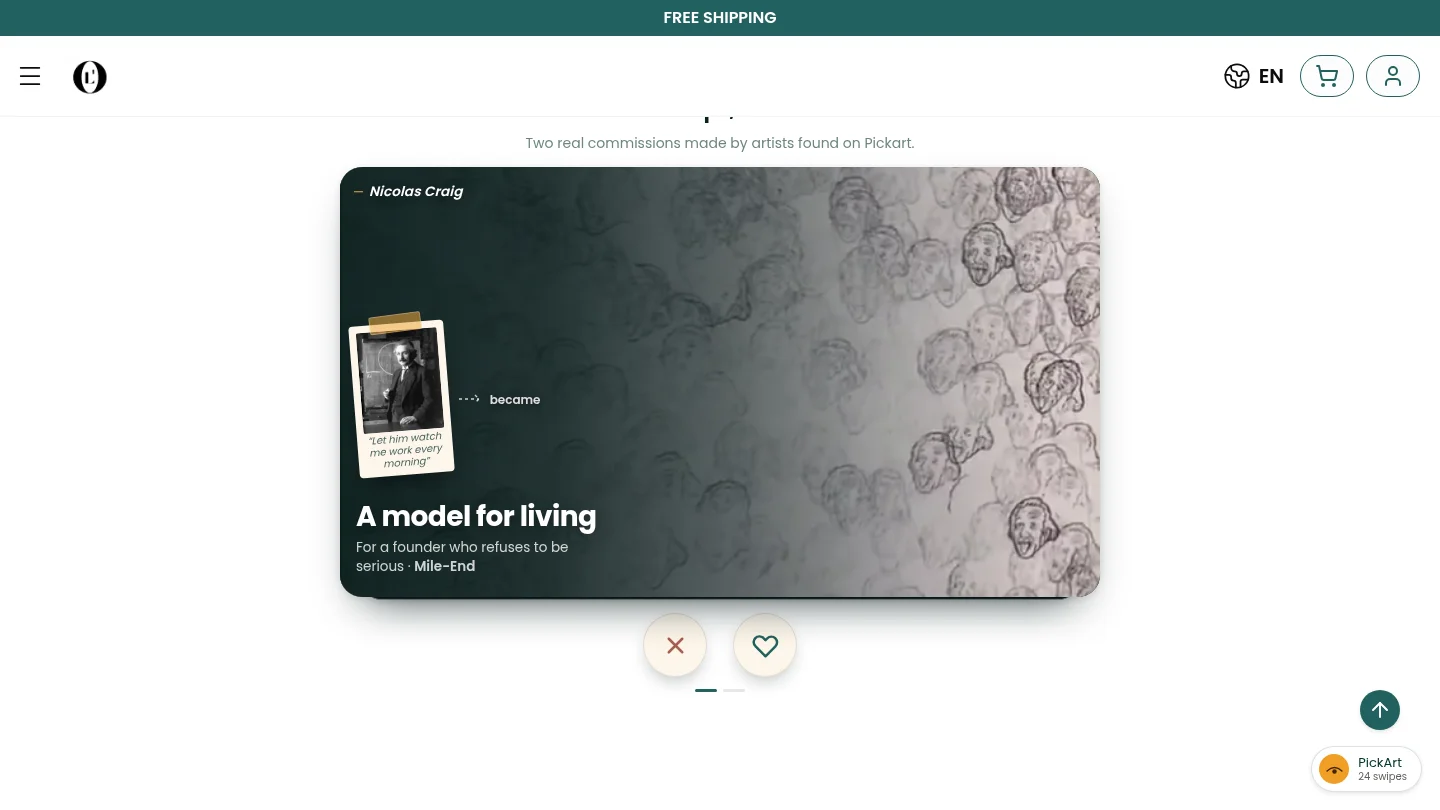
Best for: Buyers who want access to original paintings, sculptures, custom work, and practical support before purchasing.
Imagine finding a work that suits your taste without needing to describe your preferences in specialist language. That is the problem our approach is designed to solve. We represent living artists, present one-off physical artworks, and connect buyers with pieces for homes, offices, galleries, and other spaces.
Our online catalogue and two Montreal galleries support different buying preferences. You can browse original paintings, explore artist catalogues, or use PickArt to identify works that match the visual atmosphere you respond to. If an existing piece is not the right fit, we can also help develop a custom painting, sculpture, or mural around your space and intentions.
Pros:
- One-off works made and signed by represented living artists.
- Online discovery supported by physical gallery experience in Montreal.
- PickArt helps buyers explore visual preferences without requiring art terminology.
- Custom artwork and mural projects are available for residential and commercial spaces.
- Listings provide practical information such as price and dimensions.
Cons:
- The catalogue includes different artists, styles, techniques, and price levels, so comparison still takes time.
- Custom work requires discussion, quoting, and approval before production begins.
2. Diambe B.
Best for: Collectors drawn to organic materials, fantastical landscapes, and work that moves between figuration and abstraction.
If your eye goes first to texture and unusual materials, Diambe B. is a compelling 2026 choice. Their practice includes egg tempera, plant dyes, and bronze sculpture developed from beeswax casts. These materials create a tactile language that feels connected to nature while still supporting psychologically charged subjects.
The work is especially interesting because it does not stay inside one category. The paintings can suggest landscapes, bodies, or imagined environments, while the sculptures introduce a more physical and corporeal presence. This makes the artist suitable for collectors who want a work with strong visual identity rather than a purely decorative surface.
Pros:
- Distinctive materials create an immediately recognizable visual character.
- The practice connects natural forms with memory, interiority, and tension.
- Painting and sculpture provide different ways to build a collection around the same artistic voice.
- The artist has gained significant contemporary visibility during the 2026 art season.
Cons:
- The themes can feel intense if you are looking for calm, purely decorative art.
- Current retail availability, prices, and shipping conditions require confirmation through the representing gallery.
3. Gabriel Chaile
Best for: Collectors who want sculpture to carry ideas about ancestry, community, shelter, and care.
For buyers who want a sculptural work with architectural presence, Gabriel Chaile stands out. His practice draws on Indigenous knowledge systems, pre-Columbian architecture, and communal rituals. Clay and adobe forms often resemble vessels, bodies, or dwellings, creating a direct connection between sculpture and the idea of home.
Chaile’s work can bring unusual warmth to a collection. Rather than treating sculpture as an isolated object, it often suggests relationships between people, spaces, and traditions. That makes it a strong choice for collectors who want original art to create conversation, not simply fill an empty corner.
Pros:
- Clay and adobe give the work a strong material and architectural identity.
- The sculptures connect personal collecting with wider questions of ancestry and community.
- The work can appeal to collectors interested in contemporary sculpture with cultural depth.
- Large-scale examples can create a powerful focal point in a public or commercial setting.
Cons:
- Large sculptural works may require careful planning for transport, placement, and structural support.
- The source material does not establish current prices or individual availability.
4. Seba Calfuqueo
Best for: Collectors seeking art that connects identity, Indigenous knowledge, gender, land, and environmental justice.
Some collectors choose art because it creates a beautiful atmosphere. Others want the work to hold a clear position. Seba Calfuqueo is a strong choice for the second group. Her practice includes paintings, ceramics, video, performance, and installation, with recurring attention to Mapuche heritage, trans identity, colonial violence, and the politics of water.
This range of media gives the work a layered presence. A painting or ceramic object may function independently, while video and performance extend the artist’s ideas into time and space. The result is original art that asks you to look beyond color and composition toward the cultural and environmental structures behind the image.
Pros:
- The work has a clear cultural and political foundation.
- Multiple media allow collectors to engage with the practice at different scales.
- Water, land, and extraction provide recurring themes with strong contemporary relevance.
- The art suits collectors who value research, identity, and environmental responsibility.
Cons:
- Video, performance, and installation works can require more space and technical planning than a painting.
- The subject matter may be more demanding than art chosen only for color coordination.
5. Tony Lewis
Best for: Collectors who prefer monochromatic drawing, language, typography, and conceptual structure.
For a quieter but intellectually sharp collection, consider Tony Lewis. He uses graphite powder to create large-scale drawings that examine the relationship between language and visual art. Letters, symbols, and typographic forms may be repeated, distorted, or partially removed, turning the surface into a field of rhythm and interruption.
Lewis is a particularly good choice for contemporary interiors that rely on strong form rather than saturated color. His work can anchor a room without competing with furniture or architecture. At the same time, the pieces reward sustained looking because their meaning develops through repetition, absence, and the tension between reading and seeing.
Pros:
- Monochromatic surfaces work well with modern architectural interiors.
- The work offers visual order without becoming conventional decoration.
- Language and symbols create an accessible entry point for conceptual art.
- Large drawings can provide a strong focal point without relying on bright color.
Cons:
- Collectors seeking expressive color may find the palette restrained.
- The conceptual elements may need time and context before their full impact becomes clear.
6. Nat Faulkner
Best for: Buyers interested in photography as a physical process rather than simple image-making.
What if a photograph were not only a picture, but also an object shaped by light, chemistry, time, and chance? Nat Faulkner’s work is suited to collectors who want to explore that question. His practice sits between photography and sculpture, using analogue processes and material residues as part of the final work.
This approach gives the pieces a distinctive physical quality. Instead of hiding the mechanics of photography, Faulkner makes them visible. Large analogue prints, sculptural objects, and installations can therefore appeal to collectors who want work that feels experimental while remaining connected to a familiar medium.
Pros:
- The work expands photography beyond traditional representation.
- Material process becomes part of the subject and visual experience.
- The practice suits collectors interested in experimental, process-led art.
- Photography, sculpture, and installation offer several collecting formats.
Cons:
- Before purchasing, ask about the substrate, glazing, installation method, and care requirements.
- Some installation-based works may be difficult to display in a conventional home.
7. Klára Hosnedlová
Best for: Collectors who want immersive sculpture and mixed media with a strong spatial impact.
For a collection built around atmosphere and scale, Klára Hosnedlová offers a particularly ambitious direction. Her installations combine textiles, glass, metal, sandstone, and other materials. These environments explore nationalism, labor, folklore, collective identity, and the tension between protection and control.
Hosnedlová’s work is not simply something to hang on a wall. It often changes how a room is experienced. That makes it relevant to collectors with generous space, designers working on hospitality or cultural projects, and buyers who see art as an environment rather than a single isolated object.
Pros:
- Mixed materials create depth, texture, and physical presence.
- The work can transform the emotional experience of a room.
- Folklore, labor, and identity provide rich interpretive layers.
- The practice suits collectors seeking ambitious contemporary sculpture.
Cons:
- Large installations may not suit smaller homes or standard wall layouts.
- Transport, assembly, and installation details need to be confirmed before purchase.
How to buy original art with confidence in 2026
A compelling artist is only the first part of a good purchase. You also need to confirm whether the piece is genuinely original, who made it, what materials were used, how large it is, and whether it arrives ready to display. A certificate of authenticity or signed documentation can help establish provenance, but it should match the artist, title, medium, dimensions, and seller records.
Online buying also requires careful attention to color, scale, and shipping. Compare the artwork dimensions with your wall, use a paper template when possible, and ask whether the work is stretched, framed, rolled, or ready to hang. Our practical guide to original art for sale online can help you organize those questions before committing.
Finally, separate a work’s emotional value from its investment potential. A famous name may attract attention, but a lesser-known living artist can offer a more personal connection and a clearer sense of discovery. The most suitable purchase is the one whose scale, subject, materials, and story continue to feel right after the initial excitement fades.
Choose the work you will want to live with
The best original art in 2026 is not one universal style or a guaranteed financial asset. It may be a painting with unusual material depth, a sculpture rooted in cultural memory, a drawing that changes how you read a wall, or an installation that reshapes an entire room. Start with the response you want the work to create, then verify authenticity, dimensions, condition, price, and delivery before you buy.
Take action with L'Original
If you know you want original art but are unsure which style, medium, or artist fits your space, we can help you narrow the search. Our catalogue is designed for buyers who want the character of a living artist, with the convenience of online discovery and the reassurance of gallery support.
We present one-off paintings and sculptures, and we also support custom artwork and mural projects for homes, offices, coworking spaces, and other environments. You can explore artists, review practical artwork details, and request guidance before choosing to buy original art.
Frequently Asked Questions
What does original art mean in this shortlist?
Original art refers to a unique physical work created by an artist, rather than a mass-produced reproduction. Some artists also work with photography, video, installation, or limited formats, so you should confirm the exact object being sold.
Is the best original art in 2026 always a good investment?
No. Artistic relevance and financial performance are different questions. Buy work because you want to live with it first, then consider the artist’s history, documentation, market context, and long-term collecting potential.
How should I compare a painting, sculpture, and mural?
Compare the intended space, dimensions, installation requirements, maintenance, and budget. A painting is usually easier to place, while sculpture and murals can create more physical impact but require additional planning.
What authenticity documents should I ask for?
Ask for a certificate of authenticity or signed documentation that identifies the artist, title, medium, dimensions, and date when available. You should also keep invoices, correspondence, condition details, and shipping records.
Can I buy original art online internationally?
Yes, many galleries and artist representatives support remote purchases. Before ordering, confirm packaging, insurance, customs responsibility, delivery estimates, return conditions, and whether the artwork arrives framed or ready to hang.