
What should a gallery offer beyond a wall and an opening night? For many artists, the real value is a route to visibility, collector access, and terms you can understand before joining. Our online art galleries for artists article covers what to look for when considering digital exposure alongside physical exhibitions.
Gallery support comes in different forms, from open calls and career guidance to curated exhibitions and longer-term representation. Coverage of Los Angeles’s next-generation galleries highlights artist-run, home-based, and neighborhood spaces. The examples below are all US-based; their international reach and application routes differ, so check each program against your location and goals.
Best galleries for emerging artists at a glance
| Rank and gallery | Application or access | Artist support and visibility | Location and reach | Published terms |
|---|---|---|---|---|
| 1. L’Original | Online application; committee review | Online listings, Artsy access, possible physical exposure | Montreal galleries; artists can apply from anywhere | Artist receives 62% of each sale; subscription plans |
| 2. The Greenpoint Gallery | Open-call submissions by email or online form | Exhibitions, classes, lectures, and career counseling | Brooklyn, New York | Selected work must be delivered in person |
| 4. Megan Mulrooney Gallery | Curated program; no standing open call described | Solo and artist-curated presentations | Los Angeles-based, with a global artist focus | Application and artist participation terms not specified on its public overview |
| 5. Rosebud Contemporary | Curated program; contact the gallery | Focus on contemporary practices, including young and mid-career artists | New York; emphasis on South Asian visual arts and culture | Application and artist participation terms not specified on its public overview |
| 3. Fridman Gallery | Curated exhibition program | Platform for emerging and established artists; interdisciplinary programming | New York; artists from around the world | Application and artist participation terms not specified on its public overview |
What should you compare before applying?
Start with the kind of opportunity you actually want. A one-time group exhibition can introduce your work to a new audience, while representation involves a longer relationship and different expectations. Ask whether the gallery offers sales administration, promotion, access to collectors, or practical support after a work sells.
Gallery representation can involve services beyond exhibiting and selling, but arrangements differ. Artsy’s overview of gallery representation describes models that can include production support, publications, fairs, and online marketplaces. Treat those as questions to ask, not standard benefits every gallery provides.
Also look beyond the gallery’s address or exhibition format. Hyperallergic’s survey of new art spaces describes artist-run and studio-based examples alongside established gallery spaces. For you, the practical test is whether the program’s artists, materials, and exhibition approach fit your work.
1. L’Original
Best for: Artists who want an online application, international reach, and clearly stated participation terms.
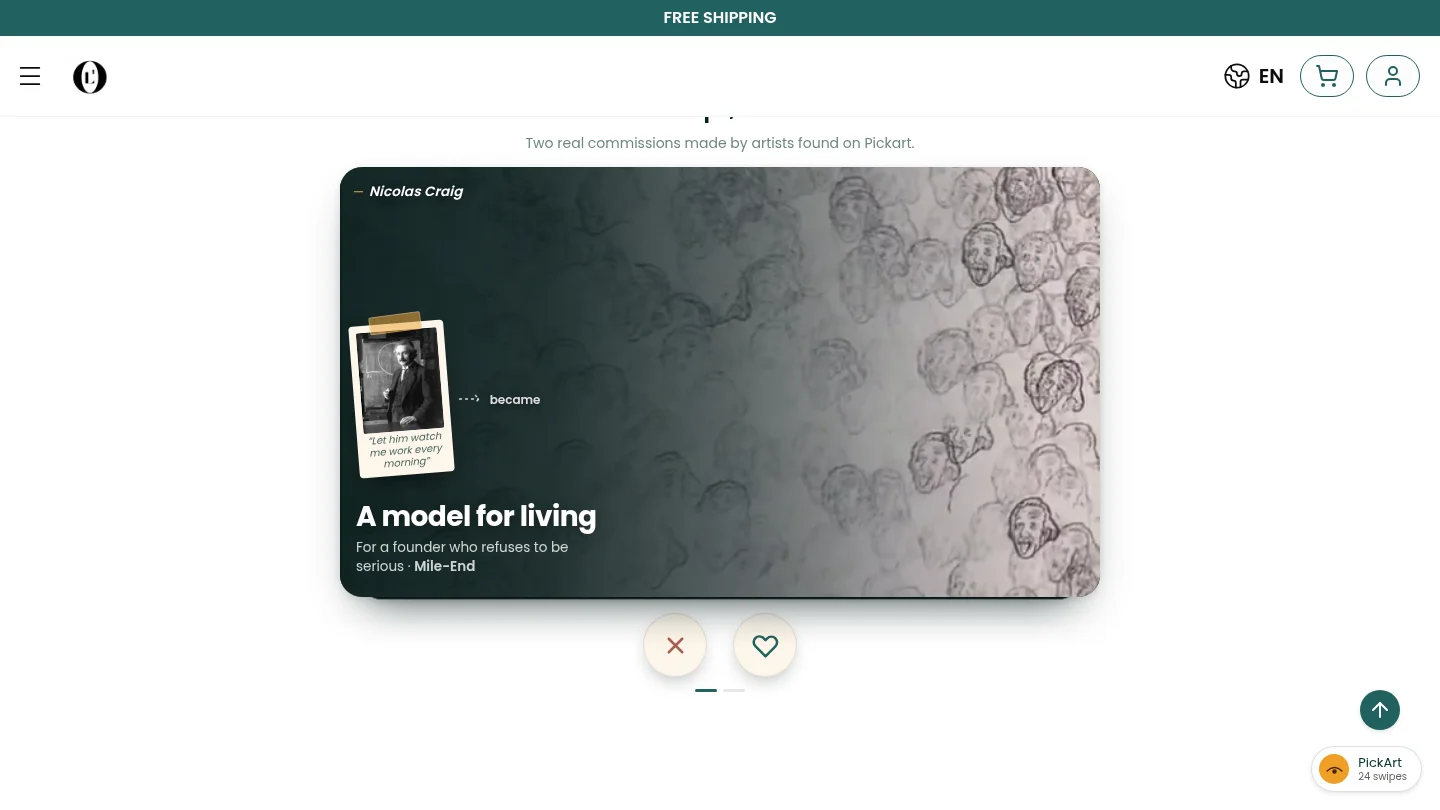
We combine an online catalogue with two physical galleries in Montreal. Accepted artists receive a personal account and listing opportunities, access to Artsy, and possible physical exposure. Works are shown online when physical exhibition is not available, with gallery screens also displaying online artworks. Our artist gallery representation article explains what representation can involve.
Artists can apply online from anywhere. The committee evaluates the work, photography, pricing consistency, and artistic coherence rather than a résumé. Listed prices must exceed $1 per square inch, remain consistent across sales channels, and include our commission. Accepted artists receive 62% of each sale, while L’Original retains 38%.
Pros:
- Artists can apply remotely and access digital exposure through the catalogue and Artsy.
- Possible physical exposure complements online listings, with gallery screens showing online artworks.
- The artist’s share is stated: 62% of each sale.
Cons:
- Participation uses monthly plans at $8 or $22. The $8 plan requires a dedicated page on your personal website, and sales are not guaranteed.
2. The Greenpoint Gallery
Best for: New York-area artists seeking an open-call exhibition and career education.
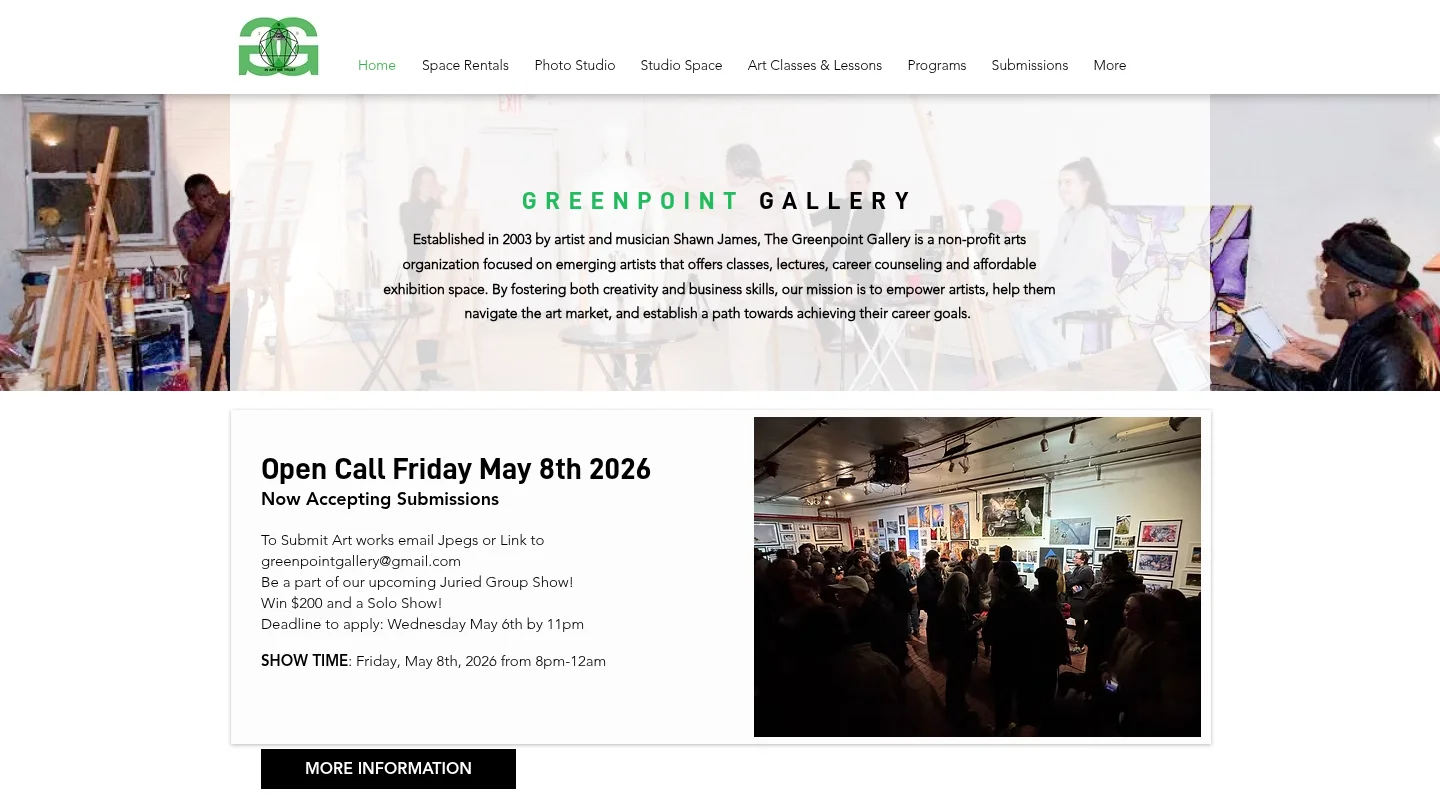
The Brooklyn nonprofit focuses on emerging artists and describes classes, lectures, career counseling, and affordable exhibition space among its programs. Artists can submit images or a link to their work through its submission route. That makes it a practical option if you want both exhibition opportunities and guidance on navigating the art market.
Pros:
- Open-call submissions give artists a direct route to consideration for exhibitions.
- Career counseling and educational programs address needs beyond showing work.
- The nonprofit has operated since 2003.
Cons:
- Its submission information says accepted physical works must be delivered in person, so it is less convenient if you live far from Brooklyn.
3. Megan Mulrooney Gallery
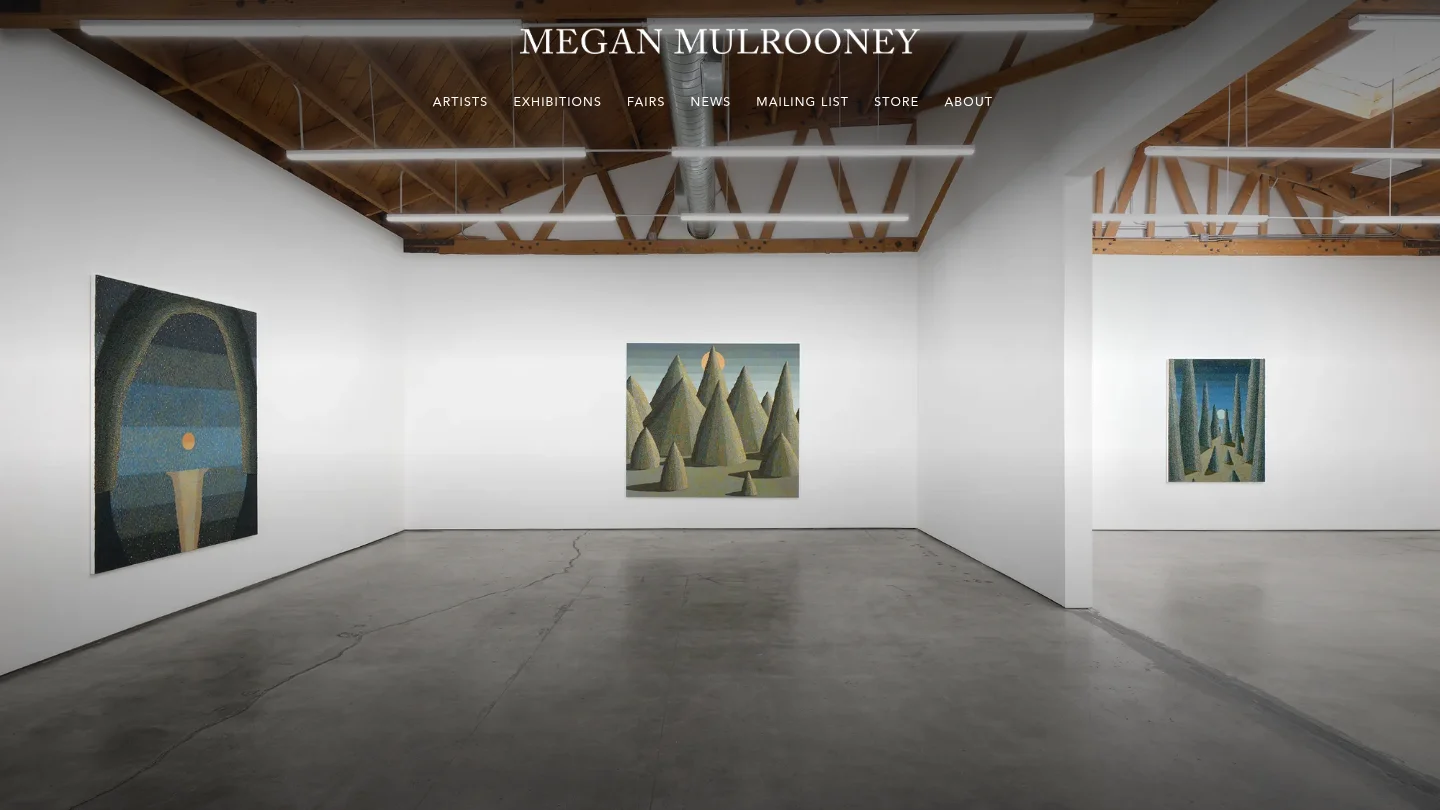
Best for: Emerging and mid-career artists seeking a collaborative, curated gallery program.
The Los Angeles gallery describes its focus as amplifying emerging and mid-career artists locally and globally. Its program combines solo shows with artist-curated presentations, creating room for artists to contribute to curatorial conversations as well as exhibit their work.
Pros:
- Its stated focus includes emerging artists and artists beyond Los Angeles.
- Artist-curated presentations complement the solo exhibition program.
- The gallery’s founder brings 14 years of international art-world experience.
Cons:
- The gallery is based in Los Angeles, so in-person exhibitions and events are location-bound. Its public overview does not describe a standing open-call process.
4. Rosebud Contemporary
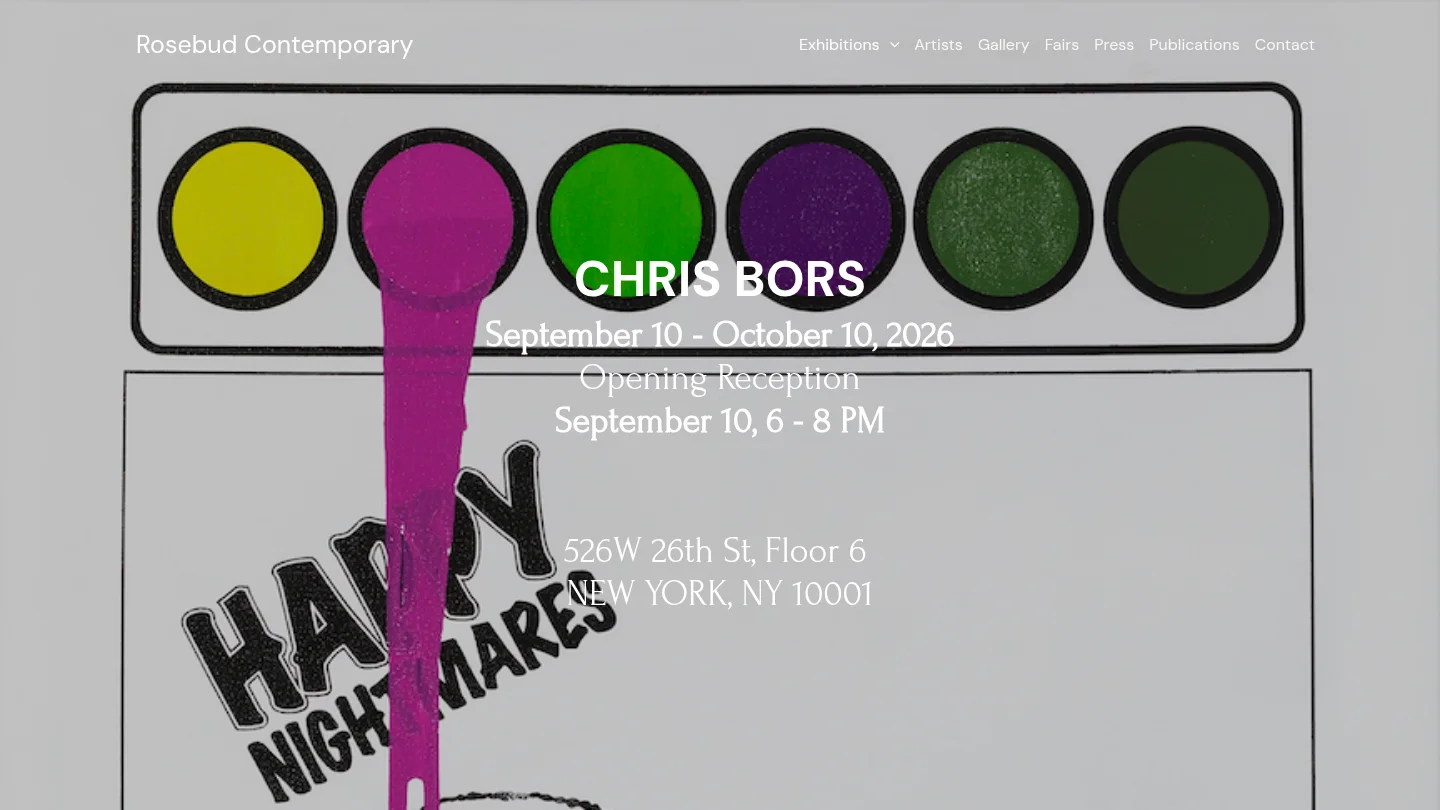
Best for: Artists whose work connects with South Asian visual arts and culture or the gallery’s wider contemporary program.
Rosebud Contemporary is based in New York and describes its program as engaging young and mid-career artists and collectors. Its reported focus on South Asian visual arts and culture gives the gallery a distinct curatorial lens. That focus can make it especially relevant when your practice connects with its program.
Pros:
- A defined curatorial focus gives artists working within that context a clear point of connection.
- The gallery’s stated program includes young and mid-career artists.
Cons:
- Its South Asian focus will not suit every practice, and the public overview does not describe a standing open-call process.
5. Fridman Gallery
Best for: Artists whose work crosses visual art, sound, performance, or other disciplines.
Based in New York, Fridman Gallery states that it provides a platform for emerging and established artists. Its program treats visual, sound, and performance art as connected forms of expression, making its interdisciplinary focus a notable fit for practices that do not sit neatly within one medium.
Pros:
- The gallery’s stated focus includes both emerging and established artists.
- Interdisciplinary programming offers context for work involving performance, sound, and visual art.
Cons:
- It is not an emerging-only program, so artists seeking a space dedicated exclusively to early-career work may prefer a more narrowly focused option.
Choose the gallery that fits your next step
The best gallery for your art career depends on whether you need an open call, career guidance, a focused curatorial program, or a longer-term route to buyers. L’Original is the clearest match here for artists seeking remote application, online visibility, possible physical exposure, and stated sale terms. Before applying anywhere, review the program, confirm its current submission process, and get the participation terms in writing.
Build your gallery presence with L’Original
If your next step is a gallery relationship with both digital visibility and artist-facing support, compare the application process and sale terms with your goals. You can apply online without traveling to Montreal.
We review applications based on the work, photography, pricing consistency, and artistic coherence rather than a résumé. Accepted artists receive an online gallery presence, listing opportunities, Artsy access, and possible physical-gallery exposure. The artist receives 62% of each sale, but sales are not guaranteed. Join as a digital artist.
Frequently Asked Questions
Can you apply to an art gallery without representation?
Yes. Some galleries accept submissions for individual exhibitions or open calls without offering long-term representation. Check the specific opportunity’s terms before sending work.
Does exhibiting in a gallery mean you are represented?
No. A group show or open-call exhibition is not necessarily an agreement to represent you. Ask what the gallery will do after the exhibition and whether any ongoing arrangement applies.
Are these galleries open to artists outside the United States?
The shortlist includes galleries based in the United States and Canada, but their application rules differ. Confirm eligibility, delivery requirements, and any location restrictions directly with each gallery.
What should you send with an artist submission?
Follow the gallery’s stated instructions and prepare clear images, a concise description of your practice, and accurate artwork details. Avoid sending extra material the gallery has not requested.
What should you clarify before accepting a gallery opportunity?
Ask about fees, commissions, transport, insurance, promotion, sales handling, and the duration of the arrangement. Get the answers in writing so you can compare opportunities fairly.