

You don’t need art expertise to enjoy a gallery. Time to look, an open mind, and a little curiosity are enough to start exploring the benefits of art galleries. Galleries bring artworks into shared spaces where you can pause, notice details, and encounter ideas beyond your everyday routine. For a broader perspective, read about the importance of art galleries in culture and community.
The value of a visit isn’t identical for everyone. Some people come to reflect or feel inspired; others want to learn, meet friends, or see work by artists they haven’t encountered before. Research is beginning to measure visitor well-being, but a short-term study cannot establish lasting health effects. The gallery, its program, and your own experience all matter.
How can a gallery visit support well-being?
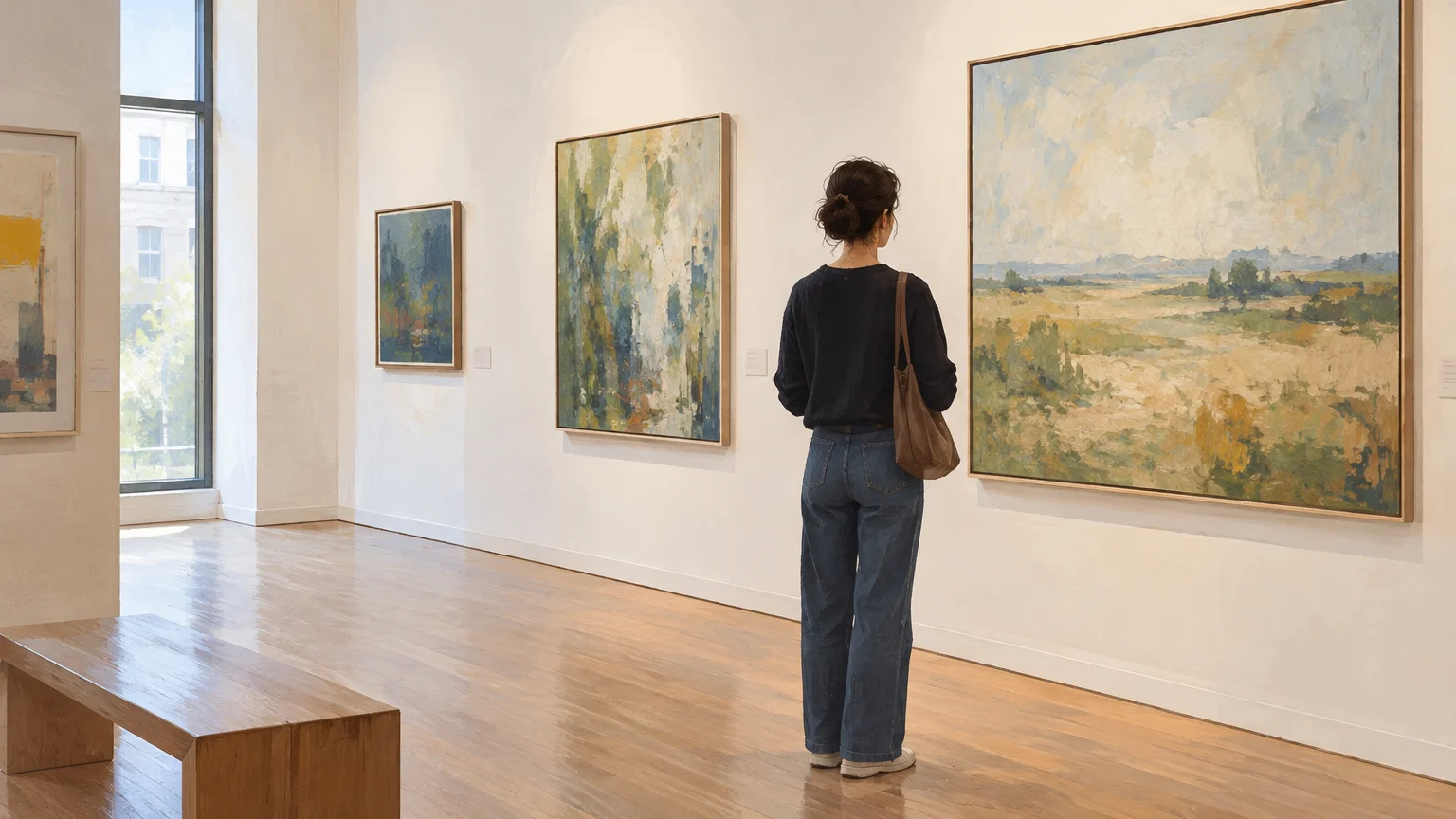
Imagine stepping into a quiet room and giving one artwork your full attention. Looking closely can create a pause in a busy day, while a striking image or unfamiliar idea gives your mind something new to consider. A gallery visit isn’t a substitute for mental health care, but it can be a meaningful cultural experience.
A 2026 study followed 363 adults during self-directed, 60-minute visits to three art museums in Seattle. After their visits, participants reported feeling more inspired and less irritable and nervous, according to the museum well-being study. Researchers also found that responses differed by personal factors, including visitors’ age and relationship to the museum. The before-and-after findings describe short-term changes in this study, not a universal or lasting effect.
You can make a visit more reflective by slowing down at one work instead of trying to see everything. Notice a color, shape, or feeling that draws your attention, then ask yourself what might be behind it. You don’t need to know the artist’s intention to form your own response.
What can you learn by looking at art in person?
What changes when you spend more than a few seconds with a work? You may start noticing choices that are easy to miss at first glance, such as texture, scale, material, or the relationship between figures and empty space. Reading a label afterward can add context about the artist, medium, or period without replacing your own interpretation.
Learning doesn’t have to mean memorizing art history. Comparing two works, wondering why they feel different, or hearing another visitor’s perspective can make art easier to discuss. Gallery talks and guided tours, where available, offer additional ways to ask questions and hear how others approach a work.
In England’s 2025/26 survey, 37% of adults who physically engaged with museums or galleries said they visited to learn something new. Interest in the subject was a more common reason, at 66%, while 52% wanted to spend time with family or friends, according to the 2025/26 engagement survey. These figures describe reported reasons among visitors in England; they don’t measure what each person learned.
How do galleries contribute to community life?
A neighborhood gallery can give people a shared place to encounter art, exchange views, and learn about the artists working around them. When a venue hosts exhibitions, talks, or other public programs, it creates opportunities to bring artists and audiences into conversation. The activities differ from gallery to gallery, so check what a particular space offers.
Galleries also help make artists’ work visible to people who might not otherwise find it. Exhibitions can introduce a local audience to new approaches, while a gallery’s selection and interpretation give visitors a way into unfamiliar work. For artists, showing work in a public setting creates an opportunity to connect with viewers, though an exhibition does not guarantee sales or career success.
In the American Alliance of Museums’ 2026 public-opinion report, 89% of respondents believed museums contribute important economic benefits to their community, according to the 2026 report. This is a measure of public opinion about museums, not a direct estimate of economic impact or a finding specific to art galleries. It does show that many respondents see cultural institutions as part of community life.
How can galleries connect you with artists and new work?
For a working artist, exhibiting through a gallery can create a point of contact with viewers, collectors, and curators. For visitors, it’s a chance to encounter work by living artists and learn about their approaches. Different galleries have different focuses and ways of showing work; our guide to different types of art galleries explains some common models.
We represent living artists through two physical galleries in Montreal and an online catalogue. That combination gives visitors a choice: view work in person or explore available pieces online. If you’re looking to discover art by living artists, our catalogue and PickArt offer ways to browse without needing specialist terminology. A gallery’s role and selection vary, so you can look for the artists, mediums, or styles that interest you.
How can you get more from your next visit?
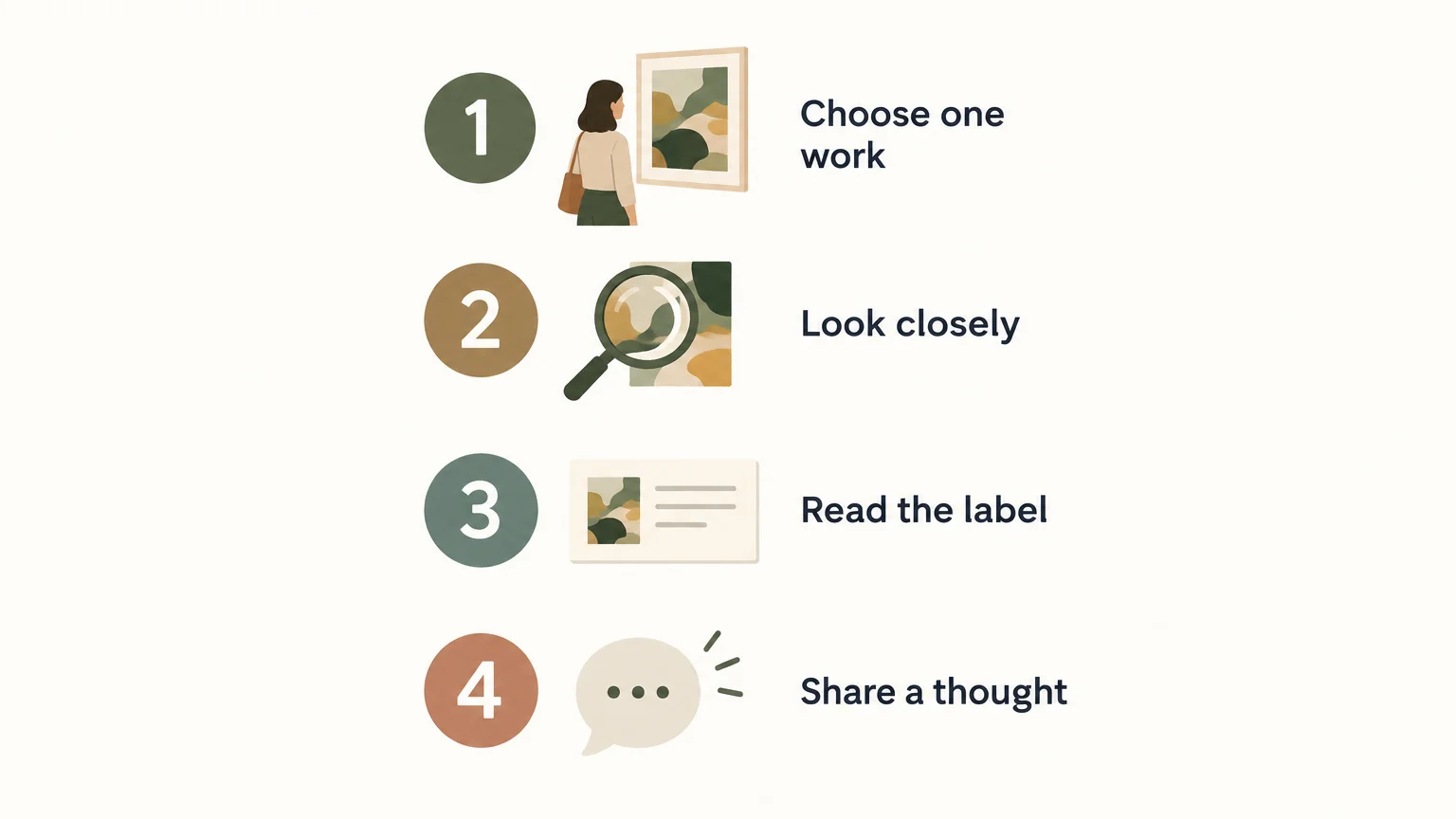
Before you go, choose a simple reason for your visit: to see a particular exhibition, spend time with a friend, or find a new artist. Once you arrive, you don’t need to cover every room. Choose one work that catches your eye and give yourself time to examine it.
- Choose one work: Notice what draws your attention first.
- Look closely: Pick out a detail, material, or color you hadn’t noticed.
- Read the label: See what the artist or gallery shares about the work.
- Share a thought: Compare impressions with a companion, or reflect quietly on your own.
If you’re new to galleries, remember that there’s no required level of knowledge. You can ask staff a question, use the information provided, or simply look. For more practical ideas on exploring and discovering artwork, see our art gallery guide.
Make room for a closer look
The value of gallery visits comes from more than viewing individual works. Galleries offer settings for reflection, learning, cultural exchange, and encounters with artists and other visitors. Research points to possible short-term well-being benefits, while community and educational experiences depend on the venue and its programs. Start with one artwork, look carefully, and let your own questions guide the visit.
Keep exploring art at your own pace
A gallery visit can be a starting point, not a test of expertise. If you want to continue exploring afterward, our two Montreal galleries and online catalogue give you different ways to encounter work by living artists, whether you prefer an in-person visit or browsing from home.
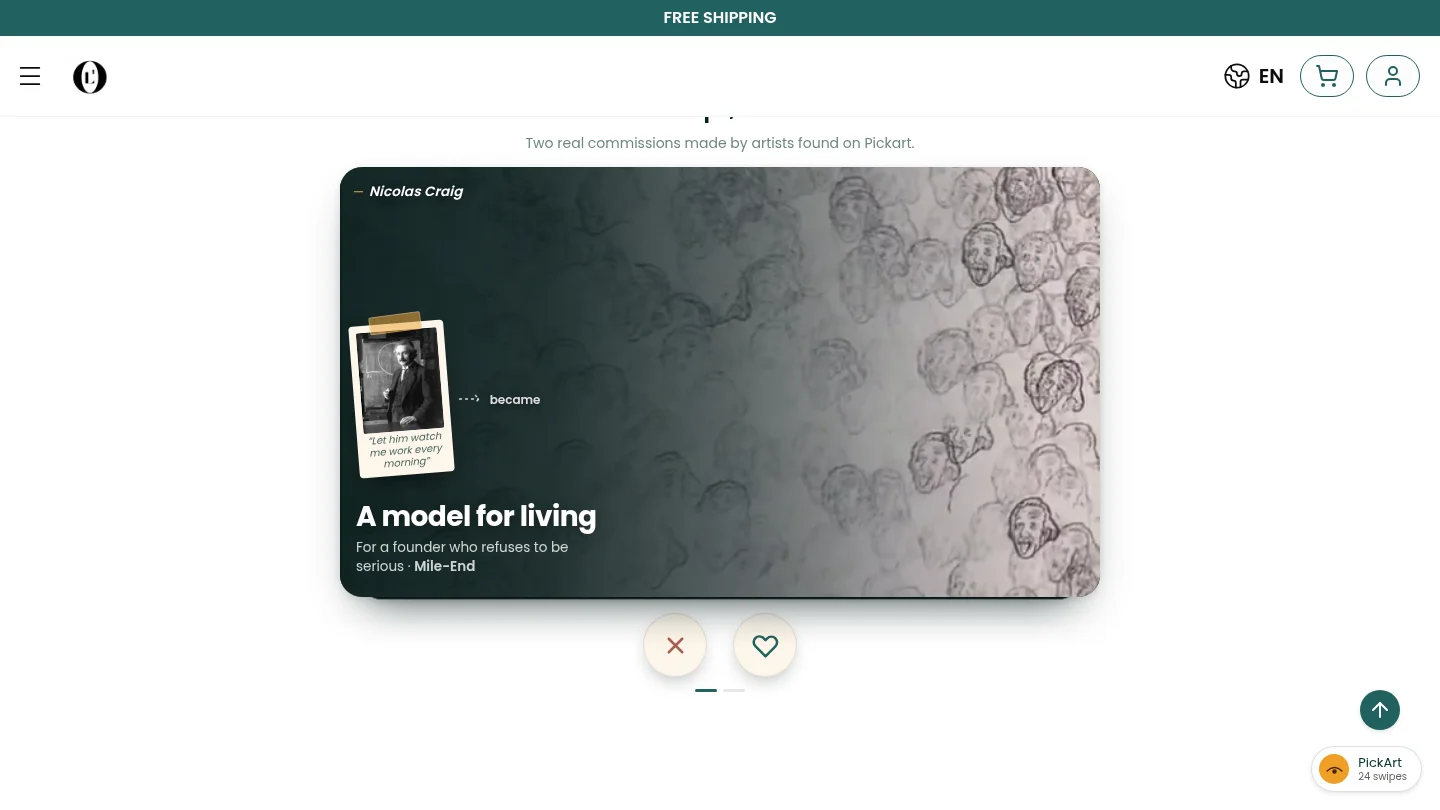
Our catalogue features one-off paintings and sculptures made and signed by artists we represent. PickArt also offers a visual discovery experience for people who would rather respond to images than search using art terminology. Browse our online catalogue of original paintings and sculptures to explore available work at your own pace.
Frequently Asked Questions
What are the main benefits of visiting an art gallery?
A visit can give you time to reflect, learn about art, and encounter artists and viewpoints you may not know. It can also be a shared cultural activity with friends or family.
Can visiting an art gallery improve your well-being?
Some research finds short-term improvements in reported feelings after museum visits. Those findings don’t establish lasting effects or mean every visitor will respond in the same way.
Do you need to know about art before visiting a gallery?
No. You can start by noticing what catches your attention and what questions come to mind. Labels and staff can provide context if you want it.
How do galleries support artists?
Galleries can exhibit artists’ work and connect it with visitors and potential buyers. The support and opportunities available differ by gallery, and an exhibition doesn’t guarantee sales.
Can you explore art galleries online?
Many galleries share artwork and information digitally, though an online view can’t reproduce every detail of seeing a work in person. We offer an online catalogue and PickArt for visual art discovery.