
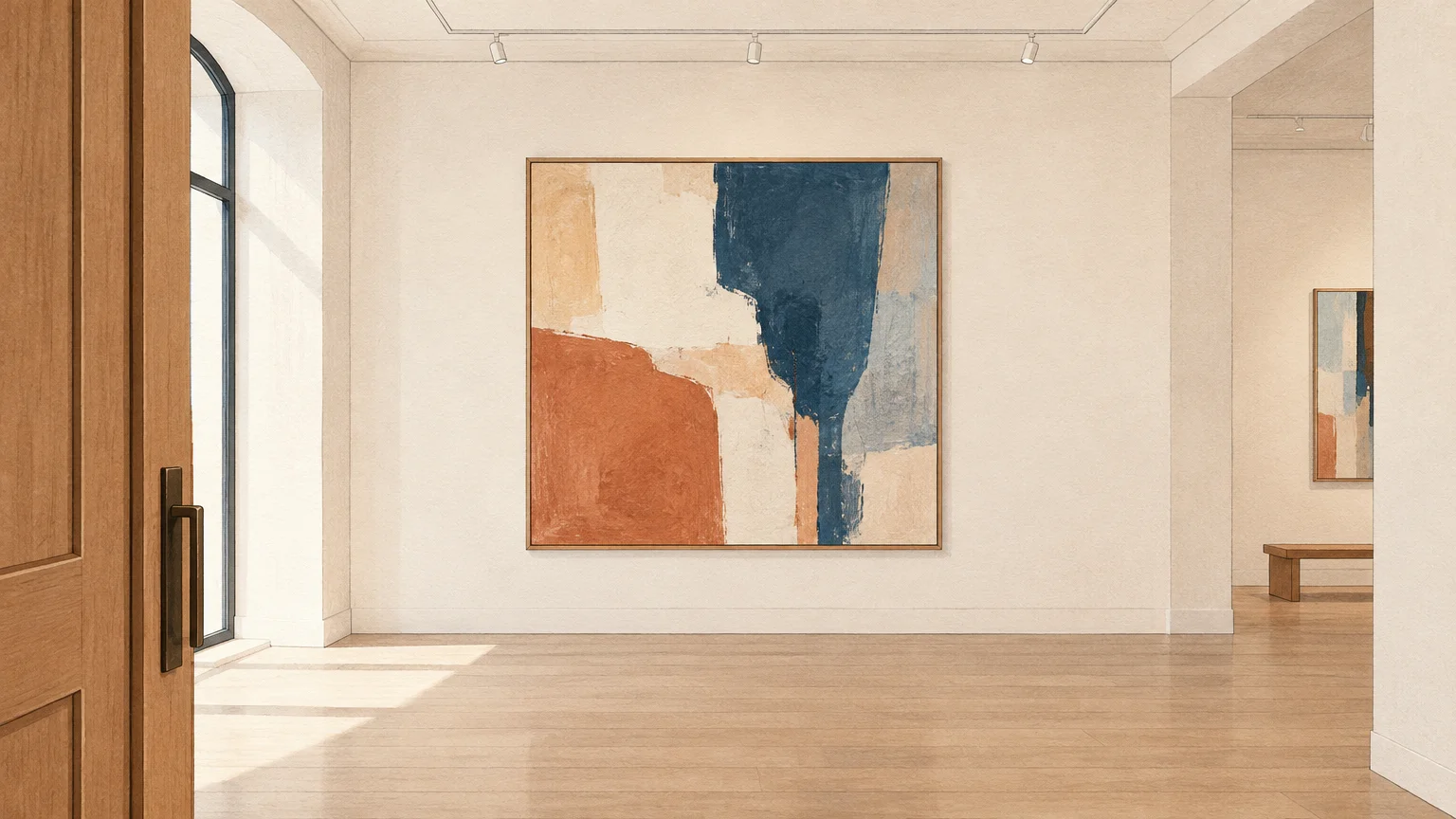

A gallery visit can turn art from an image on a screen into a work you can judge in person, but that intimacy comes with practical trade-offs. If you’re weighing the advantages and disadvantages of visiting an art gallery, our benefits of art galleries explains how these spaces can enrich well-being and community life.
Your experience depends on the venue, its purpose, and whether you’re browsing or thinking about buying. Some galleries focus on exhibiting and selling work; others emphasize public programs or community access. Knowing what you want from a visit makes it easier to decide whether the time, travel, and possible cost are worthwhile.
What do you gain by seeing art in person?
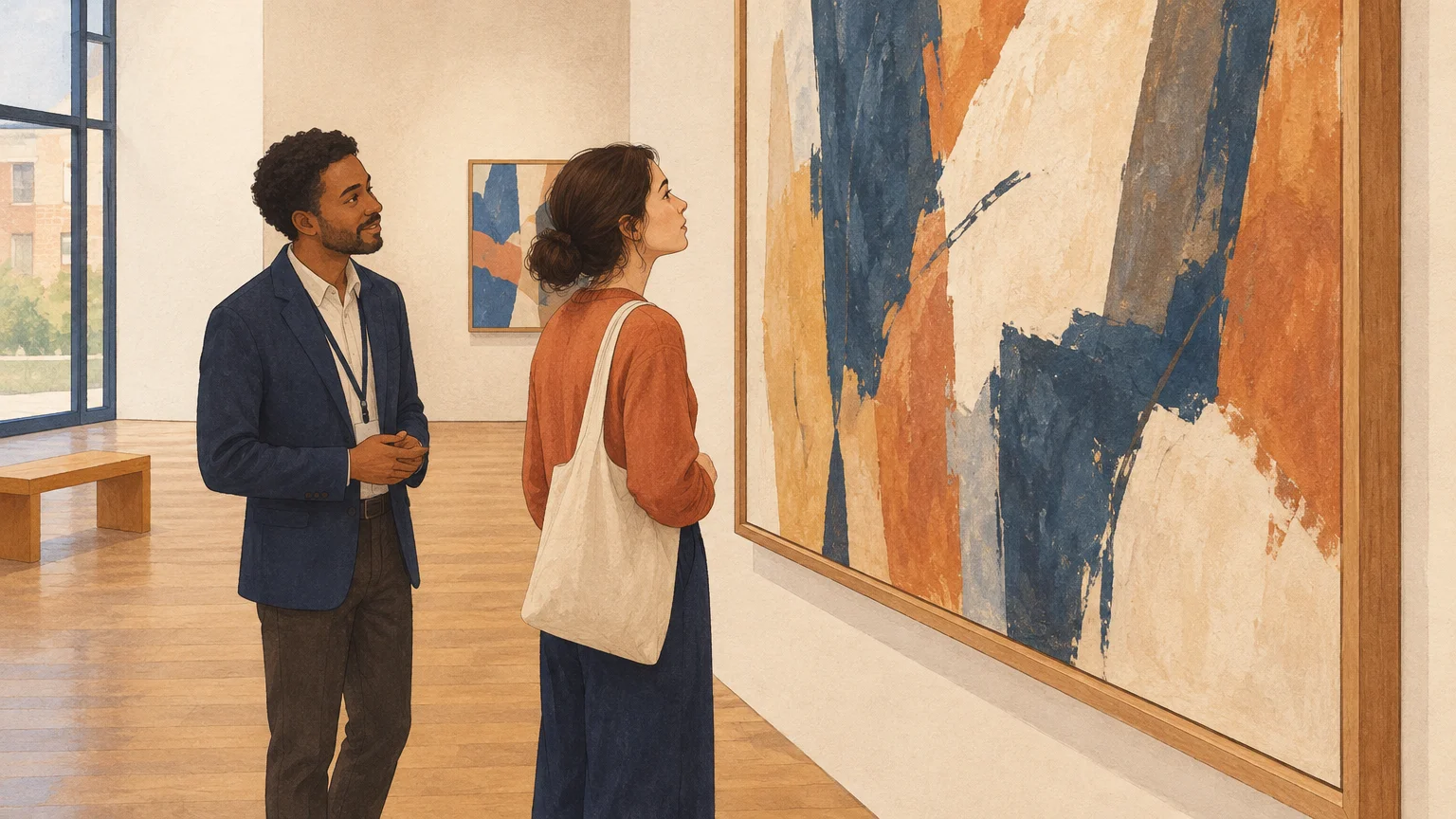
In person, you can judge scale, color, and texture in a way a screen cannot fully reproduce. Stand back to see how a painting occupies a wall, then move closer to notice its surface, details, or materials. For sculpture, walking around the work can reveal forms and angles that a single photograph might miss.
A gallery also gives you a chance to ask about the artist, the work, or the exhibition. A helpful conversation can provide context without requiring you to know art terminology. You can also encounter work you wouldn’t have searched for yourself, which makes browsing useful even when you arrive without a specific artist in mind.
Gallery models differ, so the atmosphere and activities aren’t the same everywhere. If you want to understand the range, our guide to types of art galleries covers common gallery models. That distinction matters: a venue centered on sales can feel different from one built around exhibitions, education, or community activity.
When can a gallery visit cost more than expected?
The artwork may be free to view, but reaching it takes time and sometimes money. You might need to travel, pay for transport or admission, or fit the visit around opening hours. If you’re planning to see several venues, check their current schedules before setting out. A gallery visit can be a short stop, but a distant venue or limited public hours can turn it into a larger outing.
Access also varies by location. In England’s 2025/26 survey, 42% of people aged 16 and over said they had physically engaged with a museum or gallery at least once in the previous 12 months. This is a measure of participation across museums and galleries in England, not a count of visits to commercial art galleries worldwide, as the 2025/26 survey explains.
In-person viewing can also be inconvenient if you live far from galleries or have access needs the venue doesn’t meet. Before you go, look for practical visitor information, including step-free access, seating, and any booking requirements. When a visit isn’t feasible, online catalogues offer another way to browse, although they can’t provide the same physical encounter with the work.
Seeing art and buying it are different decisions
A gallery visit doesn’t obligate you to buy anything. Still, galleries that sell art have a commercial purpose, and staff may discuss available work or prices. If you feel pressured, take time to think, ask for the details in writing, or continue browsing without making a decision. A conversation can inform your choice, but it shouldn’t replace your own judgment.
If you’re considering a purchase, check the work’s medium, dimensions, condition, price, and any documentation supplied. Ask what the price includes, such as framing or delivery, rather than assuming those are covered. A certificate or artist’s signature can be useful documentation, but it isn’t by itself proof of future resale value.
It also helps to separate the appeal of the artwork from predictions about its price later. Buying art for a home or collection is a personal decision, and no gallery visit can guarantee that a work will increase in value. Our art gallery guide offers more context on exploring, collecting, and buying art.
How can a gallery’s selection narrow your view?
A gallery shows a selection, not a complete picture of every artist or style. Its exhibitions reflect choices about whom to show and what work to feature. That focus can make a visit rewarding, but it also means you might not find the subjects or approaches you prefer at that venue.
A 2026 study of contemporary galleries competing at Art Basel assessed cultural sustainability across factors such as artistic differentiation, innovation, and representation of emerging and domestic artists. Its framework is a reminder that galleries make distinct curatorial choices; it doesn’t measure the quality of every gallery or predict what you’ll personally enjoy. You can read the study’s abstract through the 2026 gallery study.
Gallery selection also exists within a business environment. The 2026 Art Basel and UBS report says that, among smaller galleries, the top three artists account for 65% of sales. That figure measures sales concentration, not the range of works displayed at a particular venue. It does, however, show why a gallery’s commercial program and its exhibition choices can be shaped by more than one consideration, as the 2026 Art Market Report describes.
To broaden your experience, visit more than one kind of venue when you can. Our article on how art galleries support culture and community explores another side of galleries beyond choosing work to buy.
Before you go, check four practical details
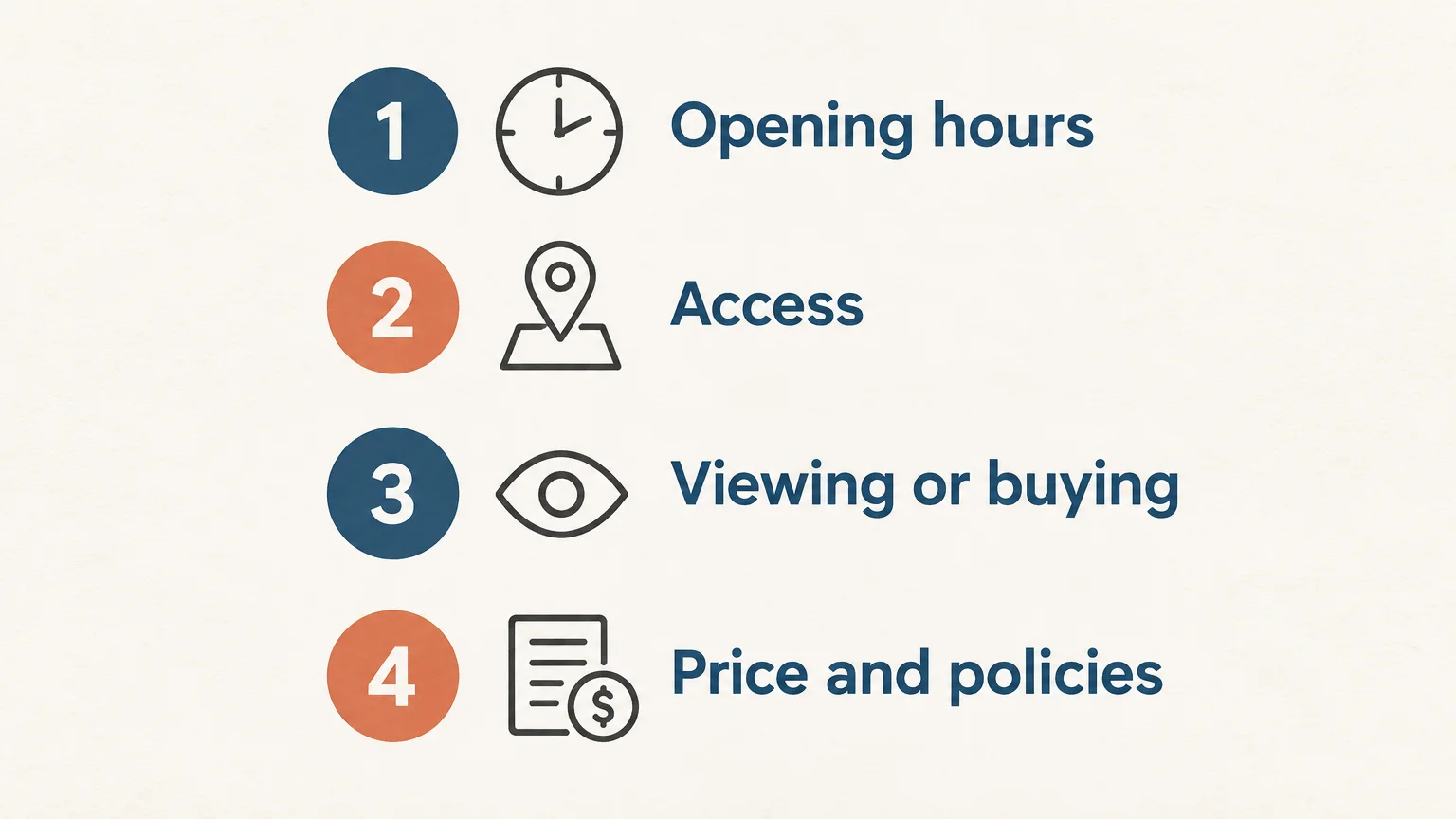
A little preparation can help you get more from the visit without turning it into a research project. Check the gallery’s public hours and access details first. Then decide whether you’re mainly there to look, learn about an artist, or compare work you might buy.
- Opening hours: Confirm when the venue is open and whether you need to book.
- Access: Look for information about entrances, stairs, seating, and other visitor needs.
- Purpose: Decide whether you’re browsing, asking questions, or considering a purchase.
- Buying details: If a work interests you, ask about its medium, dimensions, condition, price, and documentation.
You don’t need specialist knowledge to visit. Notice which works hold your attention, what you respond to, and whether the space feels comfortable. Those observations can be useful whether you leave with a new perspective or simply a better sense of what you like.
So, are art galleries worth visiting?
The benefits and drawbacks of visiting an art gallery come down to what you want from the experience. You get close viewing, context, and the chance to discover artists; in return, you may need to plan around location, opening hours, access, and a sales-focused setting. Check the practical details, explore at your own pace, and treat buying as a separate decision from enjoying the visit.
Explore Art in Person or Online
If you want the close-up experience of a gallery without relying on a single way to discover art, consider both in-person viewing and online browsing. A physical visit lets you see works directly, while a catalogue can help you explore beyond the walls of one venue.
We connect visitors with living artists through two Montreal galleries and an online catalogue of original paintings and sculptures. Our listings show details such as prices and dimensions, and catalogue works can be shipped worldwide. If you’re ready to browse, explore our art galleries and find a way to discover work that suits you.
Frequently Asked Questions
Are art galleries free to visit?
Some galleries offer free entry, while others charge admission or require booking. Check the venue’s visitor information before you travel.
Do I need to know about art before visiting a gallery?
No, you can browse at your own pace and respond to the work in your own way. If you’re curious, ask staff about the artist, materials, or exhibition.
Is it better to buy art at a gallery or online?
In-person viewing lets you assess a work’s physical scale and surface, while online catalogues make browsing possible from farther away. Compare the work’s details, price, documentation, and delivery terms whichever route you choose.
Will gallery staff expect me to buy something?
Not necessarily, and browsing is a reasonable way to experience an exhibition. If you’re not ready to decide, say so and take time to consider the work.
Can I see L’Original artwork in person?
Yes, we have two galleries in Montreal, as well as an online catalogue for browsing beyond a visit. You can check the work’s listing for details such as dimensions, price, and shipping information.