


What can a painting make visible about addiction that words sometimes struggle to express? At L’Original, you can start with a painting about alcoholism, then look beyond the subject label to the work’s imagery, tone, and point of view. The same theme can appear as a stark warning, a personal account, or an abstract expression of inner conflict.
Paintings about addiction aren’t clinical records, and a viewer shouldn’t treat a symbol as a diagnosis. An image may invite reflection, communicate an artist’s experience, or challenge stigma, but its meaning depends on context. If you’re considering a work for your home or another space, ask what story it tells and how you feel in front of it. That’s different from making art in a guided therapeutic setting, where the process is part of care.
What does an addiction-themed painting communicate?
A bottle, pill, enclosed space, or repeated figure may suggest dependence or isolation, but no symbol has one fixed meaning. Color and composition matter too. A cramped frame can create a sense of pressure, while open space may suggest distance, uncertainty, or possibility. These are ways to read a painting, not rules for interpreting someone’s health or personal history.
Notice what the work asks you to see. Does it focus on a substance, a person, a relationship, or the wider forces around addiction? Does it present the subject with compassion, distance, anger, or ambiguity? Our article on art and psychology offers another way to think about how your own preferences and responses shape an encounter with art.
How are paintings about addiction different from art therapy?

A painting that depicts addiction is an artwork; art therapy is a guided therapeutic process. In therapy, a qualified practitioner uses creative work as part of care, with discussion and goals shaped around the person. Viewing a painting can prompt reflection, but looking at a picture isn’t the same as taking part in therapy.
A 2026 clinical case study examined two art therapy groups, each with eight adults receiving outpatient substance use treatment. The authors described art-making as a complement to other care, while noting that their qualitative case material did not establish statistical efficacy. If you’re interested in the practical craft behind a work, our overview of painting techniques covers how artists use materials and methods. Technique explains how a work is made, not whether it functions as therapy.
How do artists depict addiction, stigma, and recovery?
Consider two different approaches. Isaac Smeele’s Marchandise is described as part of a series about pornography and sex addiction, including their personal and cultural effects on intimacy, identity, and power. Its stated subject makes it a direct example of lived experience and social critique.
By contrast, Josenti Larochelle’s overdose is described as an abstract composition of black shapes and vivid reds, blues, and yellows against a pale background. That description emphasizes emotional intensity and the subconscious; it doesn’t establish a literal scene or a specific story of substance use. The linked page for the painting Dependence offers another artwork to consider by subject. Together, these examples show why you should read each description and image individually rather than assume all addiction-related works make the same point.
Some artists focus on recovery imagery, such as rebuilding, connection, or a changed sense of self. Others make no promise of hope or resolution. Neither approach is automatically more honest. The useful question is whether the work’s perspective feels thoughtful and specific, rather than reducing a person to a stereotype.
How can you choose an addiction painting thoughtfully?
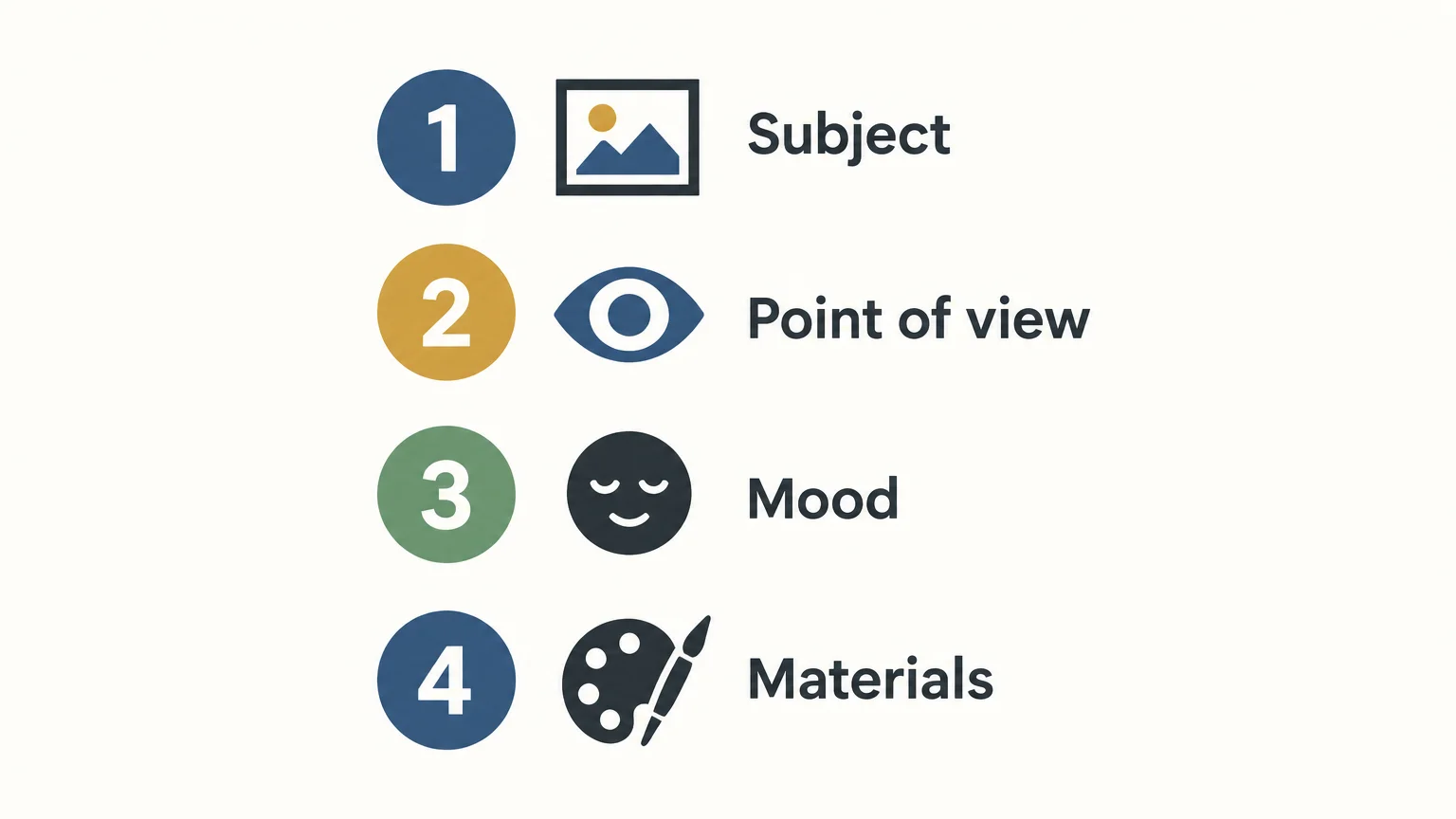
Start by asking what you want the work to do in the space. A personal story may feel different from a symbolic image or a work that challenges public stigma. Check whether the artist’s description explains the subject and perspective, then decide whether the emotional tone feels appropriate for the room and the people who use it.
- Subject: Is the painting about substance use, behavioral addiction, recovery, or a broader experience?
- Point of view: Does it speak from personal experience, make a social statement, or use metaphor?
- Mood: Does its intensity, restraint, or hopefulness suit the space?
- Materials: Check the listed medium, dimensions, and whether you’re considering an original work or a reproduction.
A 2026 scoping review examined how visual methods are used in research involving cisgender women with substance use histories. It maps an area of inquiry; it doesn’t show that any particular painting or image produces recovery. When comparing work on this subject, give weight to the artist’s stated intent and lived context, not just a dramatic title or a familiar symbol.
Can making art support addiction recovery?
Painting can be a way to express an idea or feeling, but creating art at home isn’t automatically therapy. In a 2026 qualitative study, researchers interviewed eight adults in outpatient substance use treatment who had chosen to attend a creative arts group. The study explored participants’ experiences of social support and flourishing; its small qualitative sample is not a measure of treatment effectiveness.
If you want to use creative work as part of care, discuss it with a qualified health professional or art therapist. A painting can support conversation or personal reflection, but it shouldn’t replace a treatment plan. This distinction matters whether you’re looking at an artwork, making one independently, or joining a structured program.
Look beyond the subject label
Addiction-themed art can depict compulsion, stigma, personal experience, or recovery in many visual forms. Read the artist’s context, notice the work’s mood and materials, and avoid treating imagery as a diagnosis or a promise of healing. If you’re choosing a painting, let its perspective and presence in your space guide you.
Explore original paintings
If a painting about addiction or recovery has prompted you to think about the art you want in your space, start with the subject and mood that matter to you. We represent living artists and offer one-off physical paintings and sculptures made and signed by those artists.
Our online catalogue lets you review listed works and their details, including dimensions and prices. Catalogue works ship worldwide in packaging built around each piece. Not every painting addresses addiction, so check each listing for its specific subject and description as you browse original paintings.
Frequently Asked Questions
What is an addiction-themed painting?
It’s a painting that depicts or explores addiction, its effects, or recovery. Artists may approach the subject literally, symbolically, or through personal experience.
Does a painting about addiction mean the artist has lived with addiction?
Not necessarily. Check the artist’s own description for context instead of inferring personal history from the image or title.
Can making art replace addiction treatment?
No. Making art can be a personal or therapeutic activity, but it isn’t a substitute for professional care. Talk with a qualified health professional about treatment options.
What themes should I look for in addiction art?
Look for the subject, point of view, and emotional tone, such as compulsion, stigma, connection, or recovery. These themes can guide your interpretation, but they don’t provide a diagnosis.
How can I choose a painting for my space?
Consider whether the subject and mood feel right, then check the work’s materials and dimensions. At L’Original, our online catalogue features one-off physical works by represented living artists, with details available on each listing.