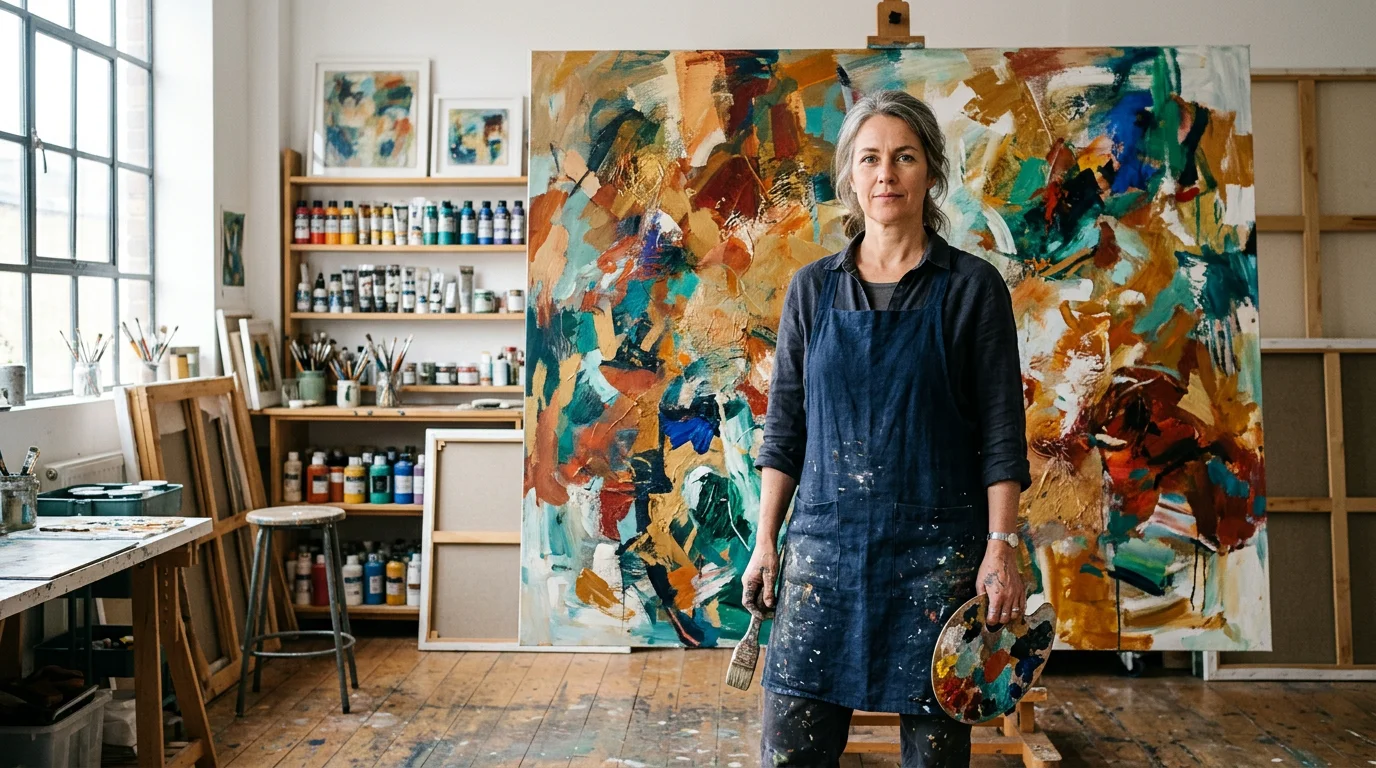

Women reached parity in gallery representation in 2025, yet works by female artists still accounted for just 37% of sales by value. That gap tells the whole story of abstract art by women: rising recognition, real momentum, and a market still catching up. If you want a clear starting point, our guide on where to buy art online lays the groundwork.
The category of abstract art woman covers everything from post-war Abstract Expressionism to today's gestural, mixed-media canvases. It's one of the most dynamic corners of the art world right now. According to FAD Magazine, the global art market returned to growth in 2025, reaching an estimated $59.6 billion, and female artists are a big part of that recalibration.
What defines abstraction made by women
Abstraction isn't a single style. It's a language, and women have shaped it for over a century. From color-field washes to explosive palette-knife texture, female abstract artists use form and pigment instead of literal images.
What connects the work is intent, not aesthetic. Many artists explore identity, memory, the body, or the natural world through non-representational marks. The result feels emotional and open, inviting you to read your own meaning into it.
If you're drawn to the way color carries mood, our deep dive into abstract paintings: color, light and meaning unpacks how light and palette shape a piece.
Why women artists were overlooked for so long
Think of the canonical Abstract Expressionists. Most people name men first, even though women like Helen Frankenthaler and Lee Krasner were central to the movement. For decades, institutions and dealers simply collected them less.
That imbalance was structural, not about talent. Galleries under-showed women, museums under-acquired them, and auction houses under-valued them. The correction happening now is really the market fixing a long historical blind spot.
The 2026 market for female abstract artists
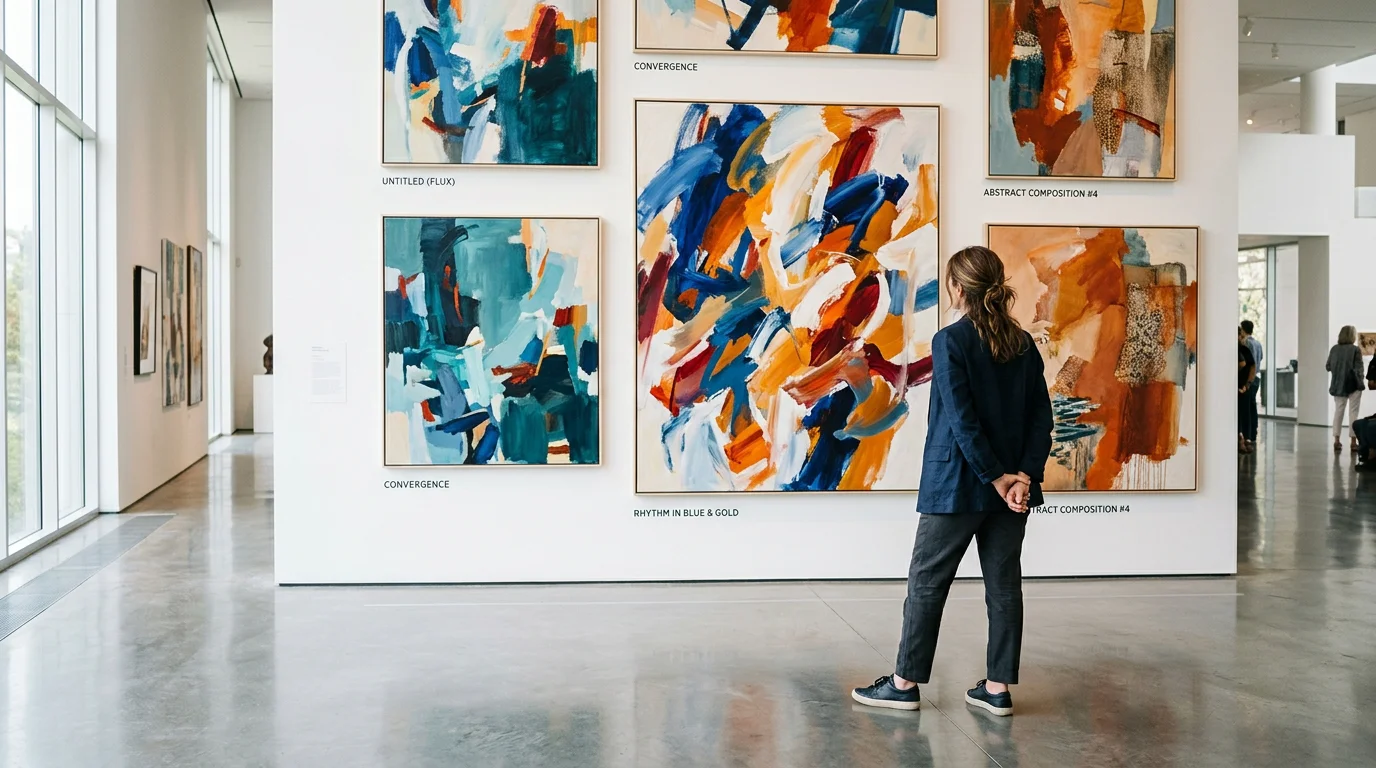
Here's the encouraging news. The Art Basel and UBS report found that female artist representation reached 50% among primary market galleries in 2025, and 45% across all dealers, up from just 35% in 2018.
But value tells a more complicated story. Works by women made up 37% of sales by value, and the gap widens at the top. The same research shows women accounting for 35% of artists and only 27% of sales at galleries with revenue above $10 million.
The secondary market lags even further. Per MyArtBroker, female artists made up just 9% of total auction sales among the top 200 artists in 2024, with only 13 women in the top 100.
For you as a buyer, that mismatch is actually an opportunity. Strong abstract paintings by women are often available at fairer prices than comparable male peers, especially from living, emerging artists.
Online discovery is reshaping who gets seen
Social platforms have quietly rewired how collectors find artists. A canvas that never entered a blue-chip gallery can now reach thousands of eyes overnight, and that helps under-represented voices.
Still, the digital shift hasn't erased the value gap. According to online art market data, women hold only about 13% of online auction sales by value, even as digital discovery brings more diverse artists to global audiences.
The takeaway is practical. Use online channels to explore widely, then verify authenticity and provenance before you buy. Knowing how a gallery vets its artists matters, and our explainer on how a contemporary art gallery works and how to buy art walks you through it.
How the numbers compare across market segments
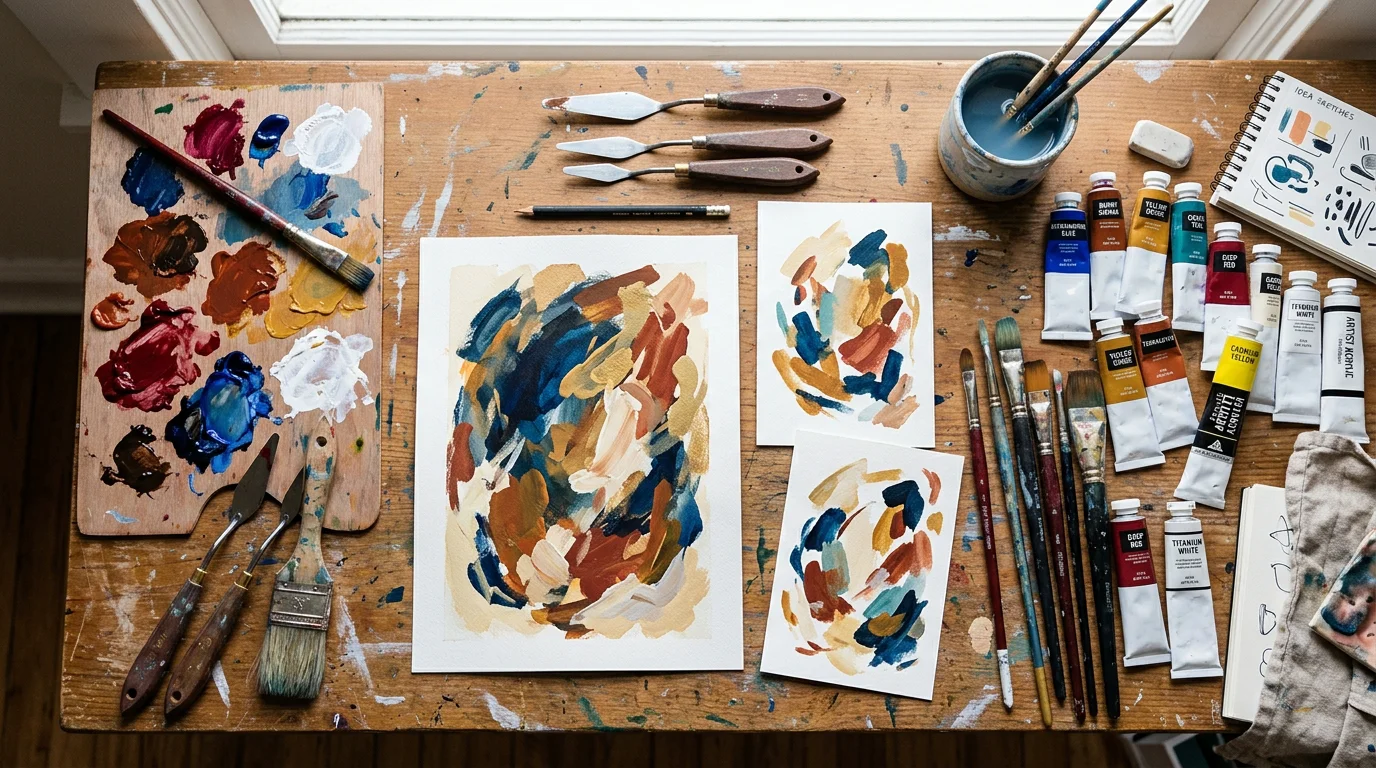
Representation and value don't move at the same speed. This snapshot pulls together the key 2025 and 2026 figures so you can see where progress is real and where gaps remain.
| Segment | Female artist share | Year |
| Primary market gallery representation | 50% | 2025 |
| All dealers, representation | 45% | 2025 |
| Sales by value overall | 37% | 2025 |
| Top 200 auction sales | 9% | 2024 |
| Online auction value | ~13% | 2025 |
| Living originals via us (L'Original) | Direct from matched artists | 2026 |
Notice the pattern. Women are well represented where galleries actively choose new talent, but under-collected where legacy prestige and money concentrate. Buying directly from living artists sidesteps much of that inherited bias.
How to start collecting abstract work by women
Start with what moves you, not what's trending. Sit with a piece, notice how the color and rhythm make you feel, and only then check the price and provenance.
Set a budget and stick to it. Original works from emerging artists can be surprisingly accessible, and buying directly from the maker keeps more value with the artist. When you want a piece that fits a specific space, a made-to-measure commission gives you full control over scale and palette.
We connect you with living painters through our PickArt matching flow, so you can buy an original that speaks to you or commission something new. No prints, every artwork is made by hand.
Bringing it all together
The story of abstract art by women in 2026 is one of momentum meeting a stubborn value gap. Representation has hit parity in galleries, yet top-tier auction figures still lag behind. For you, that means real opportunity: expressive, original work from talented living artists at fair prices. Buy what resonates, verify provenance, and favor direct relationships with the people making the art. That's how you build a collection with both meaning and lasting value.
Take action with L'Original
Ready to move from reading to owning? Whether you're chasing bold gestural texture or a calm color-field canvas, the hardest part is knowing where to look and who to trust with your walls and your budget.
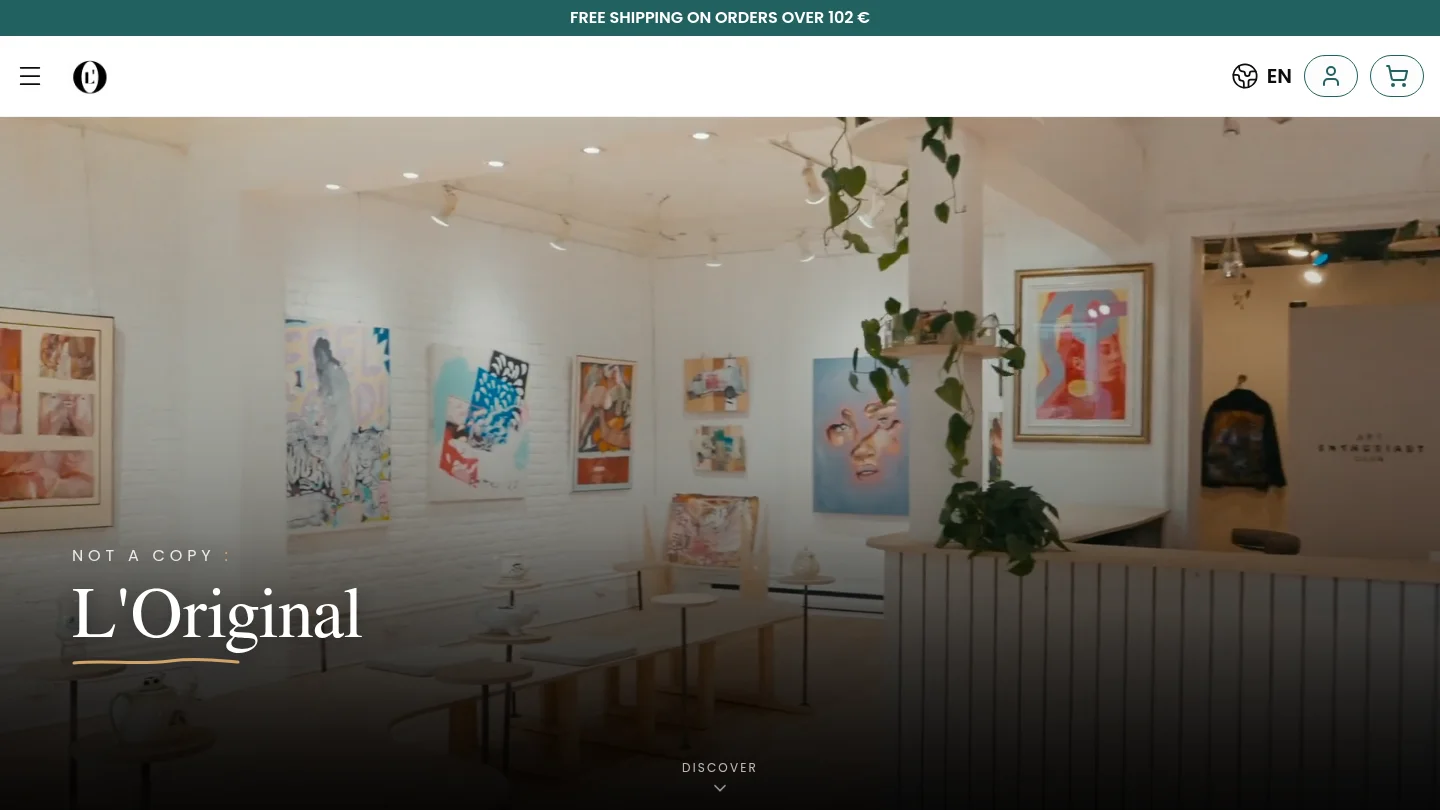
We represent living artists and sell original, hand-made pieces, no prints, starting from $680 CAD. Explore our abstract canvas wall art collection, get matched with an artist in about two minutes through PickArt, or commission a made-to-measure work delivered in two to six weeks. Every piece is signed and created just for you.
Frequently Asked Questions
Who are some famous female abstract artists?
Helen Frankenthaler, Lee Krasner, Joan Mitchell, and Bridget Riley are among the most celebrated pioneers. Many contemporary and emerging women are now expanding the field with mixed-media and gestural work. You'll find both established names and rising talents worth following.
Is abstract art by women a good investment in 2026?
It can be, thanks to a widening recognition and a persistent value gap. Female artists reached 50% of primary market gallery representation in 2025 but only 37% of sales by value, which often means fairer entry prices. Buy for love first, and let potential appreciation be a bonus.
How much does an original abstract painting cost?
Prices vary widely by artist, size, and reputation. Emerging living artists offer accessible entry points, and through us originals start from $680 CAD. Commissioned, made-to-measure pieces are quoted based on scope.
How do I know an abstract artwork is authentic?
Look for a signed original, clear provenance, and a reputable seller or gallery that vets its artists. Buying directly from the maker or a trusted gallery reduces risk. Always ask for documentation before you pay.
What's the difference between abstract and figurative art?
Figurative art depicts recognizable subjects like people or landscapes. Abstract art uses color, shape, line, and texture without representing real objects directly. Many women artists blend the two, letting figures dissolve into gesture and form.